
Dental implants are often marketed as the ultimate solution for missing teeth.
Browse almost any dental clinic website and you’ll likely see phrases such as:
- Permanent teeth replacement
- Natural-looking results
- Lifetime solution
- Smile restoration
- Life-changing treatment
And while many of these claims are based on real benefits, there are also important realities that patients often don’t hear during the initial consultation.
This doesn’t mean dentists are intentionally hiding information. In most cases, implant discussions focus on treatment benefits because patients are primarily interested in solving a problem.
However, successful implant treatment requires understanding both the advantages and the limitations.
According to implant industry trends analyzed by DenTrends.com, patient expectations are one of the biggest factors influencing satisfaction after implant treatment.
The more patients understand before surgery, the more likely they are to make informed decisions and achieve successful long-term outcomes. Here are some of the most important truths about dental implants that many patients discover only after treatment begins.
Dental Implants Are Not Actually “Permanent”
One of the biggest misconceptions in dentistry is the belief that implants last forever.
The implant fixture itself can often remain stable for decades.
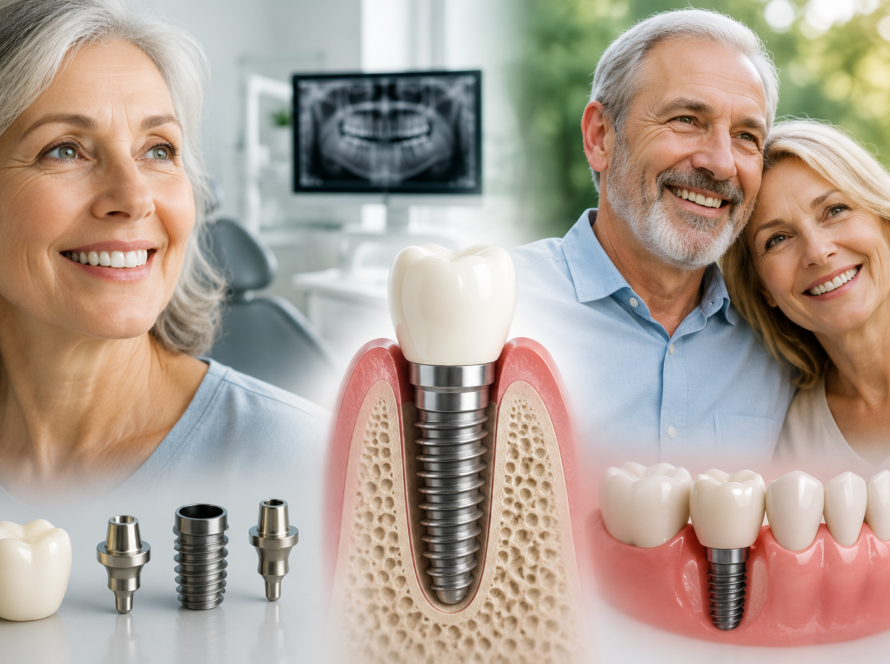
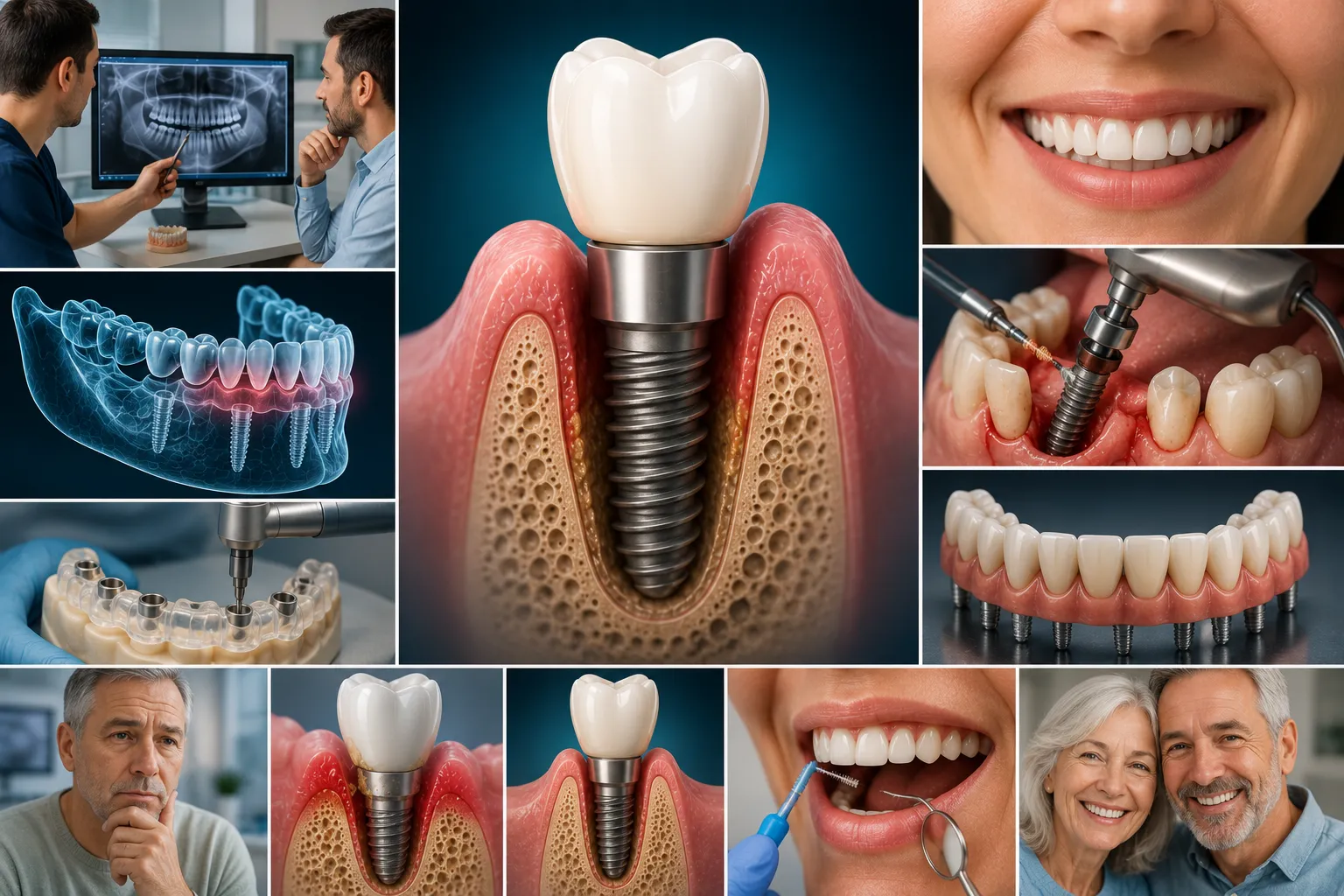
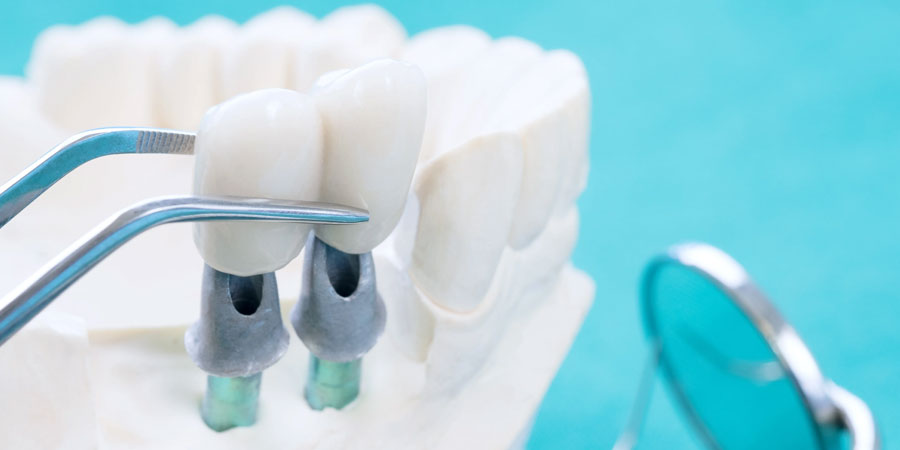
However, the complete implant system includes:
- Implant fixture
- Abutment
- Crown or prosthesis
The visible restoration may eventually require:
- Repair
- Replacement
- Adjustment
due to normal wear and tear.
Many patients hear the phrase “permanent teeth” and assume maintenance will never be necessary. The reality is that implants can last an extremely long time, but they are not immune to aging, wear, or complications.
Implants Can Still Develop Disease
Many people believe implants cannot experience problems because they are artificial.
While implants cannot get cavities, they can develop a serious condition called peri-implantitis.
Peri-implantitis is similar to gum disease and involves:
- Inflammation
- Bone loss
- Tissue damage
- Implant instability
In severe cases, implants can fail completely.
This is why implants still require:
- Brushing
- Flossing
- Professional maintenance
- Regular examinations
Implants are replacement teeth—not maintenance-free teeth.
The Implant Is Often the Easy Part
Patients frequently focus on the implant placement surgery.
Ironically, implant placement is often one of the easiest stages of treatment.
The more challenging aspects frequently involve:
- Bone preservation
- Prosthetic design
- Bite management
- Long-term maintenance
- Aesthetic planning
Many implant failures occur years after surgery rather than during surgery itself. Successful implant dentistry is a long-term process rather than a single procedure.
Not Everyone Is a Good Candidate
Advertising sometimes creates the impression that implants work for everyone.
The reality is more complex.
Certain factors can increase risks significantly:
- Heavy smoking
- Uncontrolled diabetes
- Severe bone loss
- Advanced gum disease
- Immune disorders
- Poor oral hygiene
Many patients require additional procedures before implant placement, including:
- Bone grafting
- Sinus augmentation
- Periodontal treatment
The best implant candidates are often those who understand their own health risks and commit to long-term maintenance.
Bone Loss Starts Earlier Than Most People Realize
After tooth loss, the jawbone begins shrinking almost immediately.
Many patients wait years before considering implants.
By that time, significant bone loss may have already occurred.
This can create additional challenges requiring:
- Bone grafts
- Sinus lifts
- Advanced surgical procedures
One reason implant specialists encourage timely replacement is because preserving bone often simplifies treatment dramatically.
Cheaper Implants Can Become Expensive Later
Dental implant advertisements often focus heavily on price.
However, implant treatment should never be evaluated solely by initial cost.
A low-cost implant procedure may involve:
- Lower-quality components
- Limited planning
- Less advanced technology
- Reduced follow-up care
Premium implant systems often provide:
- Better research support
- Greater component availability
- Stronger digital integration
- Long-term restorative flexibility
According to implant technology coverage by DenTrends.com, the true cost of implant treatment should be evaluated over decades—not just at the day of surgery.
Full-Mouth Implant Cases Are Major Surgery
Social media often makes full-mouth implant rehabilitation appear simple.
Videos showing dramatic smile transformations in a single day generate millions of views.
What patients don’t always see is that full-mouth implant procedures often involve:
- Extensive surgery
- Significant healing
- Dietary restrictions
- Multiple appointments
- Long-term maintenance
Procedures such as All-on-4 can be life-changing, but they remain major surgical interventions. Speed should never be confused with simplicity.
Technology Matters More Than Ever
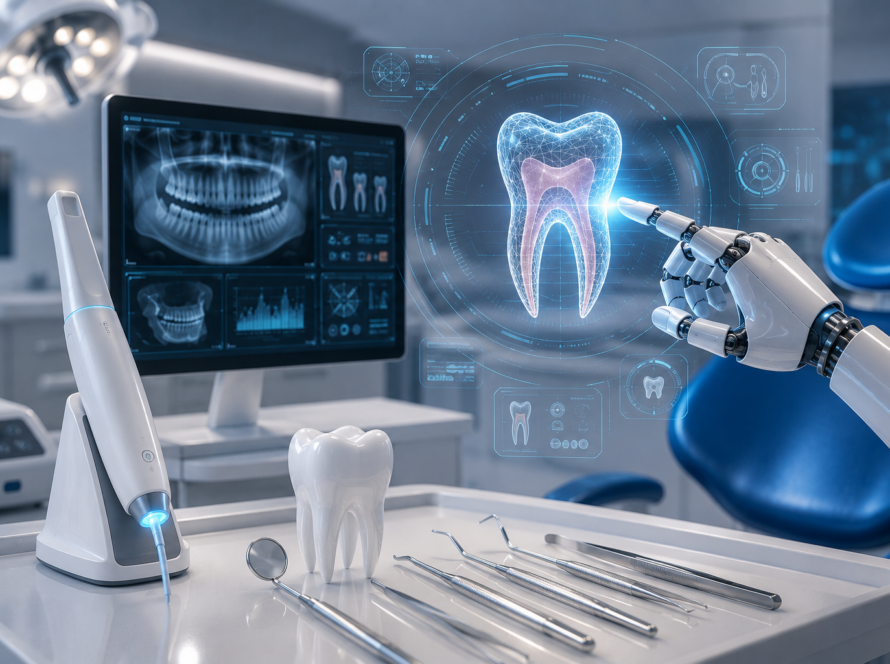
Modern implant success increasingly depends on digital planning.
Today’s advanced implant clinics use:
- CBCT imaging
- Intraoral scanners
- Guided surgery
- AI-assisted diagnostics
- Digital bite analysis
Systems such as:
have dramatically improved treatment precision.
CBCT platforms from:
allow clinicians to visualize anatomy in three dimensions before surgery begins. The quality of planning often influences outcomes more than the speed of treatment.
Recovery Takes Longer Than Many Advertisements Suggest
Some marketing campaigns emphasize immediate results.
While same-day teeth are possible for many patients, complete healing still requires time.
Most implants need:
- Several months of osseointegration
- Bone remodeling
- Soft tissue maturation
Even when temporary teeth are provided immediately, biological healing continues beneath the surface. The final success of the implant depends on this healing process.
Dental Implants Require Lifetime Maintenance
One of the biggest surprises for many patients is that implants require ongoing care forever.
Successful implant patients typically commit to:
- Routine cleanings
- Periodic X-rays
- Implant maintenance visits
- Excellent home care
Ignoring maintenance can lead to complications years later.
The implant does not replace the need for dental care. It increases the importance of it.
AI Is Changing Implant Dentistry
One thing many patients may not realize is how rapidly implant treatment is evolving.
Artificial intelligence is increasingly helping dentists with:
- Implant planning
- Bone analysis
- Risk assessment
- Treatment simulations
Platforms such as:
are already assisting clinicians in evaluating CBCT scans and planning treatment more efficiently.
Future implant treatment will likely become:
- More personalized
- More predictable
- Less invasive
- More digitally guided
According to technology analysis published by DenTrends.com, AI may become one of the most significant developments in implantology during the next decade.
The Best Implant Cases Start With Honest Conversations
Perhaps the most important truth about dental implants is that successful treatment begins with realistic expectations.
Patients should ask questions about:
- Risks
- Costs
- Maintenance
- Alternative treatments
- Long-term prognosis
The best implant providers are not those who promise perfection.
They are the ones who explain both the benefits and limitations honestly.
Because informed patients make better decisions. And better decisions usually lead to better outcomes.
DenTrends Thoughts
Dental implants remain one of the most successful and life-changing procedures in modern dentistry.
For many patients, they restore:
- Confidence
- Function
- Appearance
- Quality of life
But they are not magic.
They are sophisticated medical devices that require:
- Careful planning
- Proper placement
- Long-term maintenance
- Ongoing professional monitoring
Understanding the realities behind implant treatment helps patients avoid unrealistic expectations and appreciate the factors that truly determine success.
According to ongoing implantology coverage by , the future of dental implants will become increasingly digital, AI-assisted, and personalized—but the fundamentals of patient education, maintenance, and clinical judgment will always remain essential.
Because the most successful implant isn’t simply the one that looks good on Day One. It’s the one that still functions beautifully twenty years later.