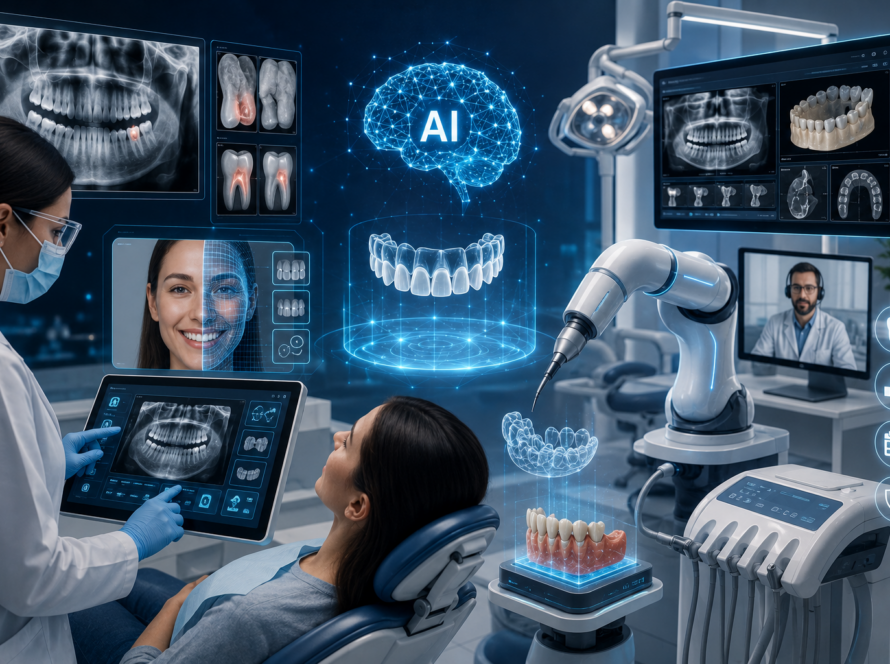

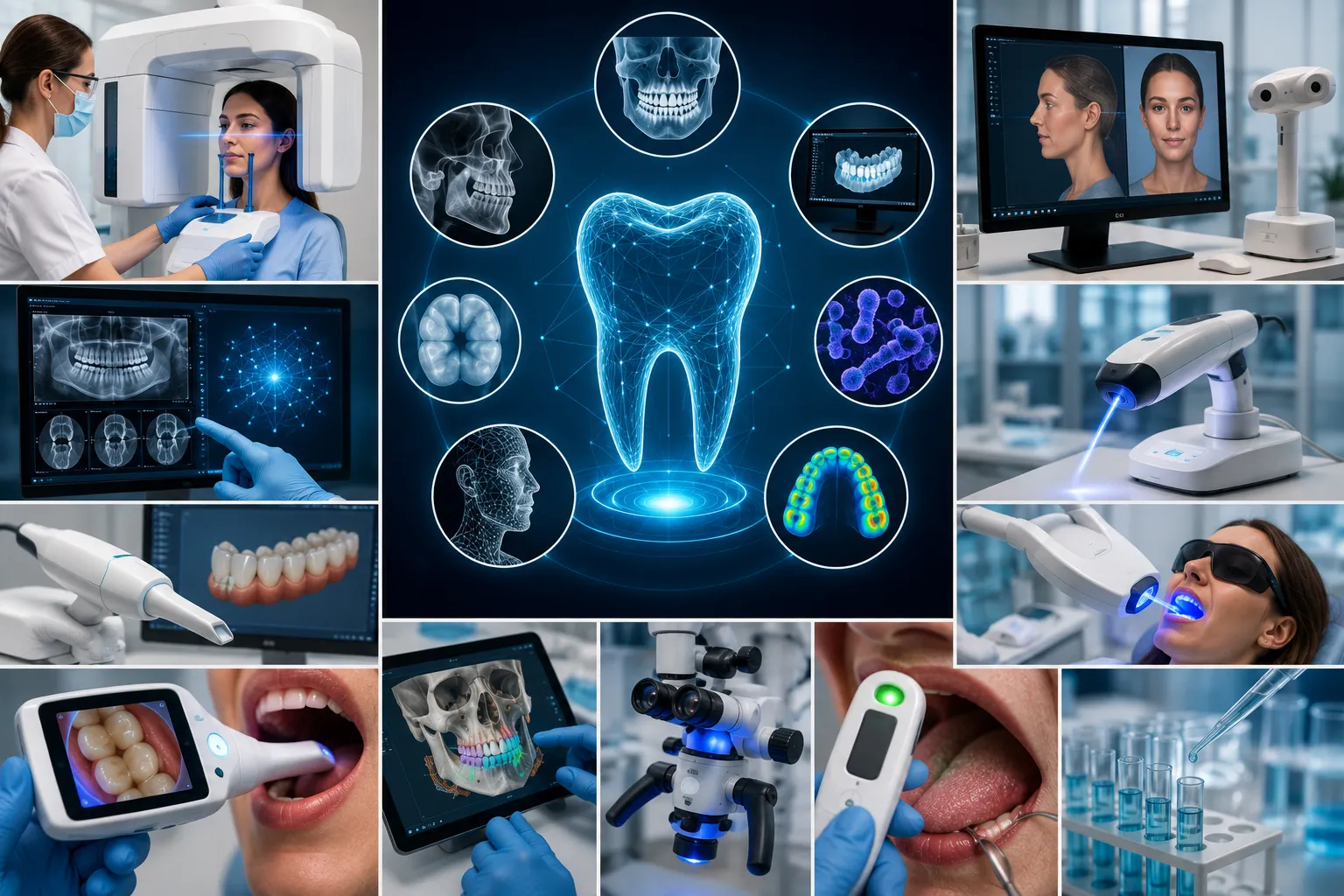
Modern dentistry is experiencing a diagnostic revolution. The days when dentists relied solely on visual examinations and traditional X-rays are rapidly fading. In 2026, advanced diagnostic technologies powered by artificial intelligence, 3D imaging, digital scanning, and real-time data analysis are enabling clinicians to detect diseases earlier, diagnose conditions more accurately, and create highly personalized treatment plans.
Accurate diagnosis remains the foundation of successful dental care. Whether treating dental caries, periodontal disease, orthodontic issues, implant cases, or oral pathology, better diagnostics lead to better outcomes.
According to technology insights published by DenTrends.com, diagnostic technologies are becoming one of the most important investment areas for progressive dental practices seeking to improve patient care, clinical efficiency, and treatment predictability.
Why Advanced Diagnostics Matter
Many dental diseases begin silently.
Conditions such as:
- Tooth decay
- Periodontal disease
- Periapical infections
- Bone loss
- TMJ disorders
- Oral cancer
may progress significantly before symptoms appear.
Advanced diagnostic tools help clinicians:
- Detect problems earlier
- Improve treatment planning
- Reduce diagnostic errors
- Enhance patient education
- Increase treatment acceptance
Early detection often means less invasive treatment, lower costs, and better long-term outcomes.
Cone Beam Computed Tomography (CBCT)
CBCT has become one of the most important diagnostic technologies in modern dentistry.
Unlike traditional 2D radiographs, CBCT provides highly detailed three-dimensional images of:
- Teeth
- Bone structures
- Nerves
- Sinuses
- Airways
- TMJ anatomy
CBCT is widely used in:
- Implant planning
- Oral surgery
- Endodontics
- Orthodontics
- Airway analysis
Leading systems include:
In implant dentistry, CBCT has become virtually indispensable for precise treatment planning.
AI-Powered Radiology Software
Artificial Intelligence is rapidly transforming dental diagnostics.
AI software can automatically analyze radiographs and identify:
- Caries
- Bone loss
- Periapical lesions
- Impacted teeth
- Anatomical structures
These systems assist dentists by highlighting potential findings and improving diagnostic consistency.
Popular AI platforms include:
AI is not replacing dentists, but it is becoming a powerful diagnostic support tool.
Intraoral Scanners
Traditional dental impressions are increasingly being replaced by digital scanning.
Modern intraoral scanners create highly accurate digital models of the mouth in minutes.
Applications include:
- Restorative dentistry
- Orthodontics
- Implantology
- Smile design
- Prosthodontics
Leading systems include:
These scanners improve diagnostic accuracy while enhancing patient comfort.
Intraoral Cameras
Intraoral cameras allow dentists and patients to see detailed images of teeth and soft tissues in real time.
They are valuable for:
- Patient education
- Case documentation
- Treatment acceptance
- Early diagnosis
High-definition imaging makes it easier to identify:
- Cracks
- Caries
- Restoration defects
- Soft tissue abnormalities
Popular systems include:
Digital Caries Detection Systems
Early caries detection is becoming more precise through laser and fluorescence-based technologies.
These tools can identify decay before it becomes visible on traditional radiographs.
Examples include:
Benefits include:
- Earlier intervention
- Less invasive treatment
Improved preventive care
Facial Scanners
Facial scanning technology is increasingly used in cosmetic and restorative dentistry.
These systems capture detailed facial anatomy and help dentists evaluate:
- Facial symmetry
- Smile dynamics
- Lip support
- Aesthetic relationships
Applications include:
- Smile makeovers
- Full-mouth rehabilitation
- Orthodontics
- Implant planning
Leading systems include:
Digital Occlusion Analysis
Traditional bite analysis often relies on articulating paper.
Digital occlusion systems provide real-time bite force measurements.
These tools help diagnose:
- Bite imbalances
- TMJ dysfunction
- Occlusal trauma
- Prosthetic complications
One of the most widely used systems is:
Salivary Diagnostic Testing
Some marketing campaigns emphasize immediate results.
While same-day teeth are possible for many patients, complete healing still requires time.
Most implants need:
- Several months of osseointegration
- Bone remodeling
- Soft tissue maturation
Even when temporary teeth are provided immediately, biological healing continues beneath the surface. The final success of the implant depends on this healing process.
Dental Implants Require Lifetime Maintenance
Saliva is becoming an increasingly valuable diagnostic medium.
Modern salivary testing can help evaluate:
- Caries risk
- Periodontal disease risk
- Oral bacteria levels
- Inflammatory markers
Researchers are also exploring saliva-based screening for systemic diseases. Salivary diagnostics represent one of the most promising areas of future dental healthcare.
Oral Cancer Screening Technologies
Early oral cancer detection can save lives.
Advanced screening technologies help identify suspicious lesions earlier than traditional visual examination alone.
Examples include:
These tools assist clinicians in identifying abnormal tissue changes that may require further investigation.
Digital Microscopy in Endodontics
Dental operating microscopes have transformed endodontic diagnostics and treatment.
Microscopes improve visualization of:
- Root canals
- Fractures
- Calcifications
- Anatomical variations
Leading microscope manufacturers include:
Microscopic dentistry is becoming the standard of care in advanced endodontics.
The Future of Dental Diagnostics
The future of diagnostics is moving toward:
- Artificial Intelligence
- Predictive analytics
- Real-time monitoring
- Integrated digital workflows
- Cloud-based diagnostics
- Personalized treatment planning
Dentists will increasingly combine multiple diagnostic technologies into a unified digital ecosystem that provides a comprehensive view of patient health. According to industry analysis from DenTrends.com, practices investing in advanced diagnostic technologies are likely to gain significant advantages in patient care, efficiency, and clinical outcomes over the coming decade.
DenTrends Thoughts
Advanced diagnostic tools are transforming every area of modern dentistry.
From CBCT imaging and AI-powered radiology to facial scanning and salivary diagnostics, today’s technologies allow dentists to diagnose conditions earlier, plan treatments more accurately, and deliver better patient outcomes.
As digital dentistry continues evolving, diagnostics will become even more intelligent, predictive, and personalized.
The future of dentistry is no longer about treating disease after it appears. It is about detecting risk early, preventing problems before they become serious, and using technology to provide the highest standard of patient care possible.