
Dental implants have become one of the most trusted and successful solutions for replacing missing teeth. In 2026, millions of patients worldwide are choosing implants because they offer something traditional dentures and bridges often cannot provide:
- Stability
- Long-term function
- Bone preservation
- Natural appearance
- Improved confidence
But one question continues to dominate patient concerns before treatment begins:
“How long do dental implants actually last?”
The answer is both encouraging and more complicated than many people expect.
Modern dental implants are designed to be long-term restorations, and many can last decades with proper care. Some patients still have functioning implants after 20 to 30 years or more. However, implants are not indestructible, and their lifespan depends heavily on several important factors including:
- Oral hygiene
- Bone health
- Implant quality
- Surgical precision
- Smoking habits
- Bite forces
- Long-term maintenance
According to implantology trends analyzed by DenTrends.com, the biggest misconception in modern implant dentistry is the belief that implants are “permanent” and require no maintenance.
In reality, implants are highly durable —
but they still require long-term professional care and patient responsibility.
Understanding What Actually Lasts
One important detail many patients do not realize is that dental implants consist of multiple parts.
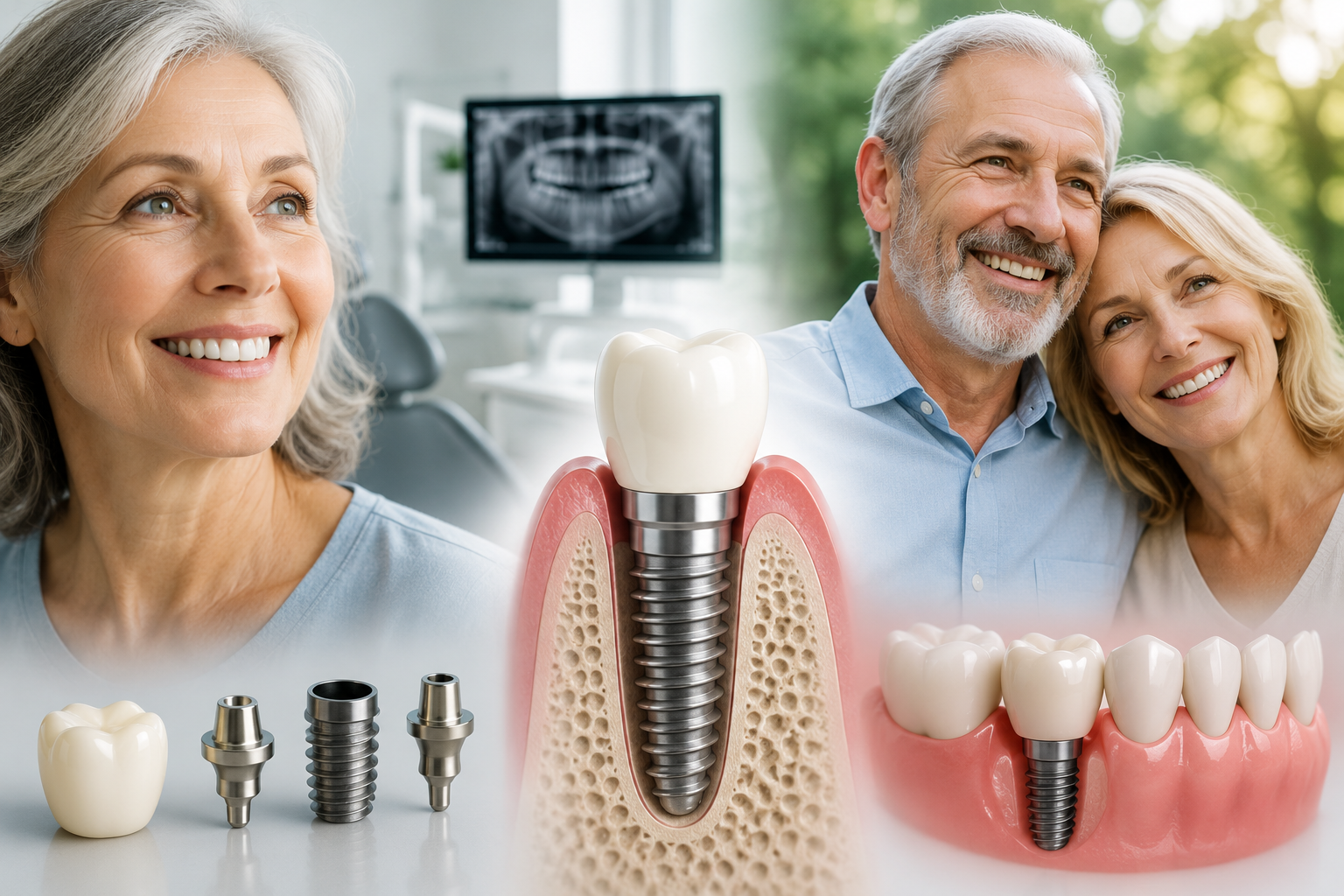
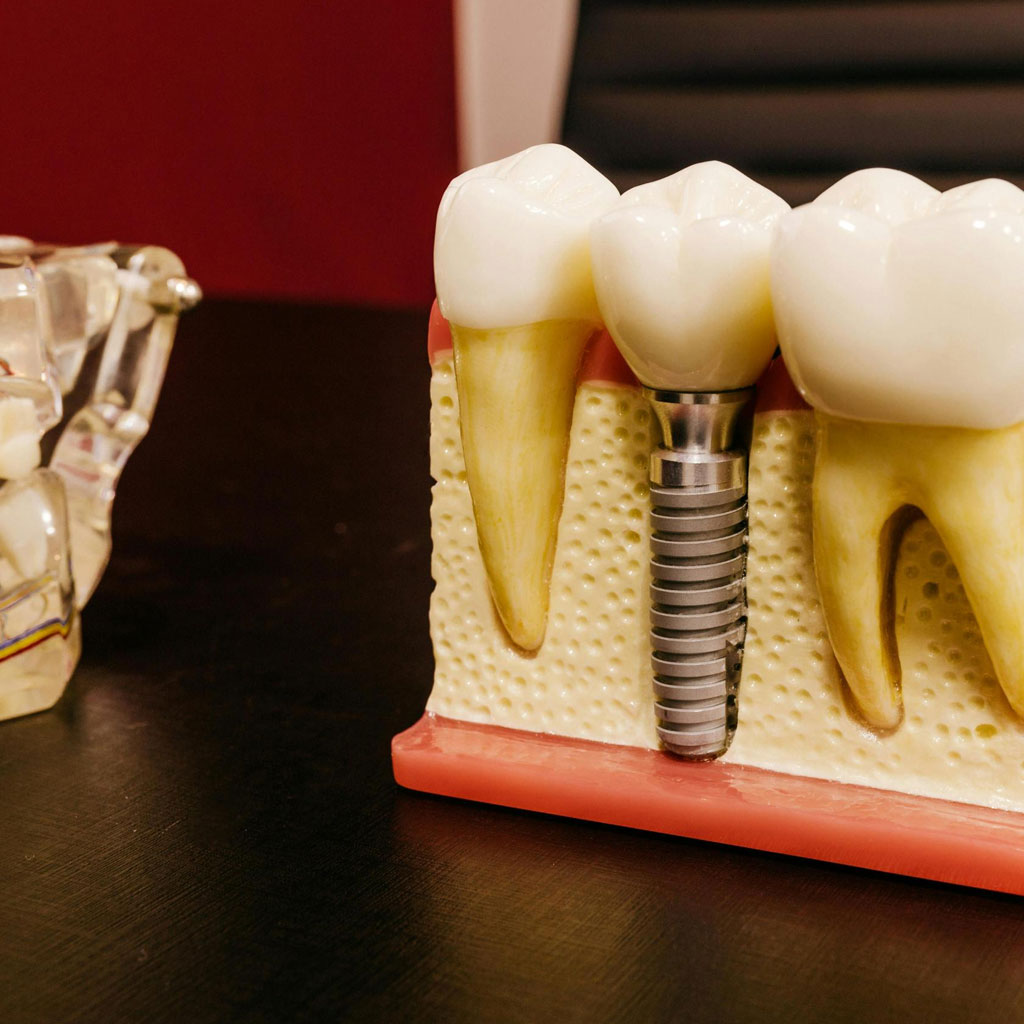
The implant itself is the titanium or zirconia fixture placed inside the jawbone. Attached to this implant is an abutment and a visible restoration such as:
- A crown
- Bridge
- Full-arch prosthesis
These components may have different lifespans.
The implant fixture inside the bone often lasts the longest and may remain stable for decades when healthy bone integration is maintained.
However, the visible prosthetic restoration may eventually require:
- Repair
- Adjustment
- Replacement
due to:
- Wear
- Chipping
- Bite stress
- Material aging
This means the question “How long do implants last?” depends partly on which part of the system is being discussed.
The Average Lifespan of Dental Implants
Modern implant systems have very high long-term success rates.
Research over the last several decades consistently shows implant survival rates often exceeding:
- 90% to 95% over 10+ years
Many well-maintained implants continue functioning successfully after:
- 20 years
- 25 years
- Even 30+ years
Some implant patients may never need replacement of the implant fixture itself during their lifetime.
However, restorations attached to implants may require maintenance sooner depending on:
- Material quality
- Bite pressure
- Oral habits
Porcelain crowns, for example, may eventually experience:
- Wear
- Fracture
- Esthetic aging
especially in patients with strong bite forces or teeth grinding habits.
Why Some Dental Implants Fail Earlier
Although implants are highly successful overall, not all implants last forever.
Failures can occur due to biological, mechanical, or lifestyle-related reasons.
One of the biggest causes of implant complications is peri-implant disease.
Peri-implantitis is an inflammatory condition affecting the tissue and bone surrounding implants. It is somewhat similar to gum disease around natural teeth.
If untreated, peri-implantitis can lead to:
- Bone loss
- Implant loosening
- Implant failure
Poor oral hygiene remains one of the biggest risk factors.
Smoking is another major factor strongly associated with reduced implant success. Heavy smoking can negatively affect:
- Healing
- Bone integration
- Long-term tissue stability
Patients with uncontrolled diabetes may also face increased complication risks because healing and immune response may be compromised.
Teeth grinding, also called bruxism, places excessive mechanical stress on implants and restorations. Over time, this can contribute to:
- Prosthetic fractures
- Screw loosening
- Implant overload
Implant success is therefore influenced not only by surgery —
but by long-term lifestyle and maintenance habits.
The Importance of Implant Quality
Not all implant systems are identical.
Premium implant brands such as:
invest heavily in:
- Clinical research
- Surface technology
- Long-term studies
- Digital integration
These systems often have decades of scientific documentation supporting long-term performance.
Cheaper implant systems may initially reduce costs, but long-term predictability and prosthetic support can vary significantly depending on manufacturing quality and clinical research backing.
According to implant market analysis covered by DenTrends.com, many modern implantologists increasingly prioritize long-term ecosystem reliability over short-term pricing alone.
Digital Dentistry Is Improving Implant Longevity
One of the biggest changes in modern implant dentistry is the role of digital technology.
Today’s advanced implant clinics increasingly use:
- CBCT imaging
- AI-assisted planning
- Guided surgery
- Intraoral scanners
- Digital bite analysis
- 3D printed surgical guides
These technologies improve:
- Implant positioning
- Surgical precision
- Prosthetic accuracy
- Bone preservation
- Bite balance
Better planning often leads to:
- Reduced complications
- Improved healing
- Longer-lasting restorations
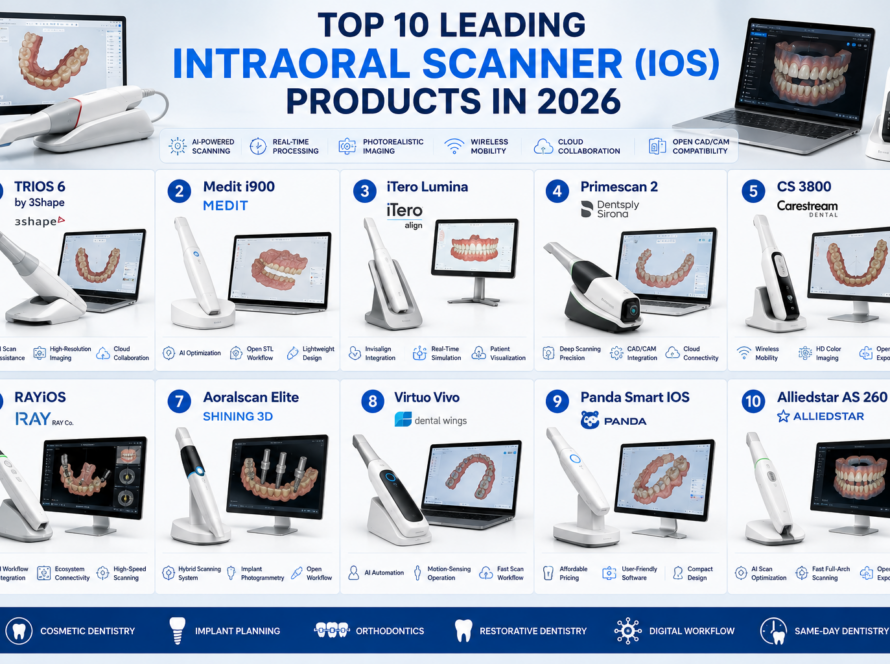
Systems such as 3Shape TRIOS and Medit i900 now allow highly accurate digital impressions that improve prosthetic fit and precision.
CBCT imaging systems from companies like Carestream Dental and Vatech help surgeons evaluate bone anatomy with extraordinary detail before surgery even begins.
Modern digital dentistry is making implant treatment more predictable than ever before.
How Patients Can Help Implants Last Longer
Long-term implant success depends heavily on patient behavior after treatment.
Patients who maintain excellent oral hygiene often experience significantly better outcomes.
Regular:
- Brushing
- Flossing
- Professional cleanings
- Maintenance visits
are extremely important.
Patients should also avoid habits that place excessive stress on implants, including:
- Smoking
- Teeth grinding
- Chewing hard objects
- Ignoring gum inflammation
Night guards are often recommended for patients with bruxism to reduce overload on implants and restorations. Long-term maintenance is one of the biggest factors separating implants that last decades from implants that fail prematurely.
Are Dental Implants Better Long-Term Than Bridges or Dentures?
In many cases, yes.
Traditional bridges may eventually fail because supporting teeth can develop:
- Decay
- Fracture
- Root problems
Removable dentures often contribute to:
- Bone loss
- Instability
- Reduced chewing efficiency
Implants help preserve jawbone structure and often provide superior long-term stability.
This is one reason implants are increasingly viewed as: Long-term oral health investments rather than temporary tooth replacements.
The Emotional Value of Long-Lasting Implants
One of the most overlooked aspects of implant longevity is emotional security.
Patients with stable implants often experience:
- Improved confidence
- Better eating comfort
- Less anxiety
- More social freedom
Many patients who previously struggled with missing teeth or unstable dentures describe implants as life-changing because they no longer constantly think about their teeth. For these individuals, implant longevity represents not only durability —
but long-term quality of life.
The Future of Implant Longevity
The future of implant dentistry is becoming increasingly connected with:
- AI-assisted planning
- Regenerative medicine
- Advanced biomaterials
- Surface engineering
- Robotic precision
Researchers continue exploring ways to improve:
- Bone integration
- Tissue healing
- Implant surface technology
- Long-term biological stability
Future implant systems may become:
- Smarter
- More biocompatible
- Faster healing
- More personalized
According to digital implantology coverage by DenTrends.com, future implant longevity may improve dramatically as AI and regenerative dentistry continue advancing.
Final Thoughts
Dental implants are among the longest-lasting solutions available in modern dentistry.
With proper planning, quality treatment, and long-term maintenance, many implants can last:
- Decades
- Sometimes even a lifetime
However, implants are not maintenance-free.
Their success depends heavily on:
- Surgical precision
- Implant quality
- Oral hygiene
- Lifestyle habits
- Long-term professional care
Modern digital dentistry is improving implant predictability more than ever before through:
- AI diagnostics
- Guided surgery
- Digital workflows
- Advanced implant materials
According to ongoing implant dentistry analysis from DenTrends.com, the future of implants is moving toward even greater precision, longevity, and personalization.
Because modern dental implants are no longer simply about replacing missing teeth. They are about restoring long-term confidence, function, oral health, and quality of life for years — and often decades — to come.