
In August 2024, a shocking dental case from China triggered massive public outrage, ethical debate, and global concern about aggressive same-day dental implant procedures.
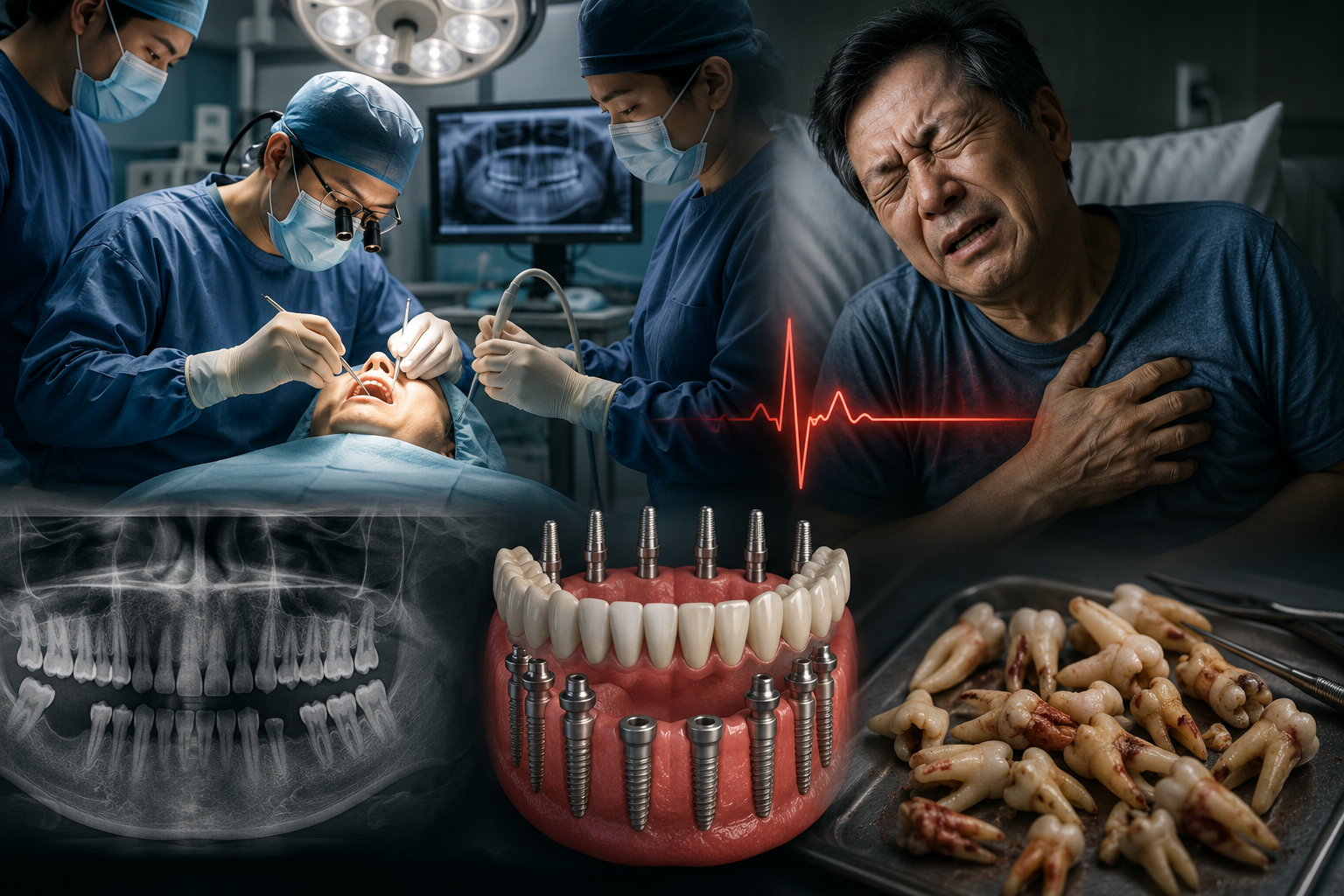
A man identified as Huang reportedly underwent an extremely large dental operation at Yongkang Deway Dental Hospital in Zhejiang Province, China. According to reports, the procedure involved:
- Extraction of 23 teeth
- Placement of 12 dental implants
- Completion in a single treatment session
using an “immediate restoration” approach.
Less than two weeks later, Huang reportedly died from sudden cardiac arrest.
The case rapidly spread across Chinese social media and international news platforms, raising serious concerns about:
- Dental surgery safety
- Medical ethics
- Over-treatment
- Implant marketing pressure
- Same-day full-mouth rehabilitation risks
According to reports, Huang’s daughter later filed an official complaint, claiming her father experienced:
- Severe pain
- Continuous suffering
- Major physical distress
following the extensive surgery.
The incident quickly became one of the most discussed dental controversies in China during 2024 because many people questioned whether such an aggressive amount of treatment should ever be performed in one session.
Why This Case Shocked the Public
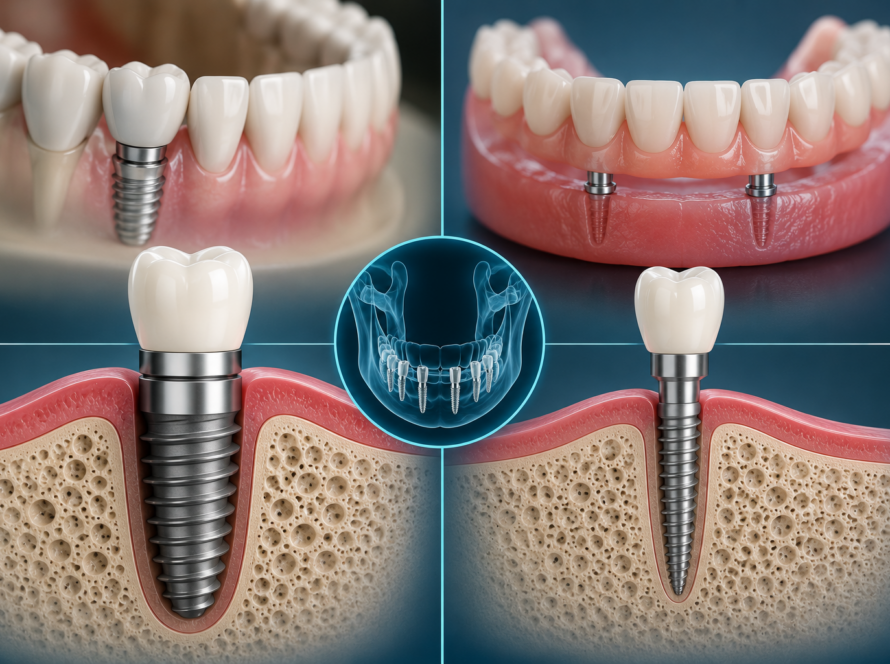
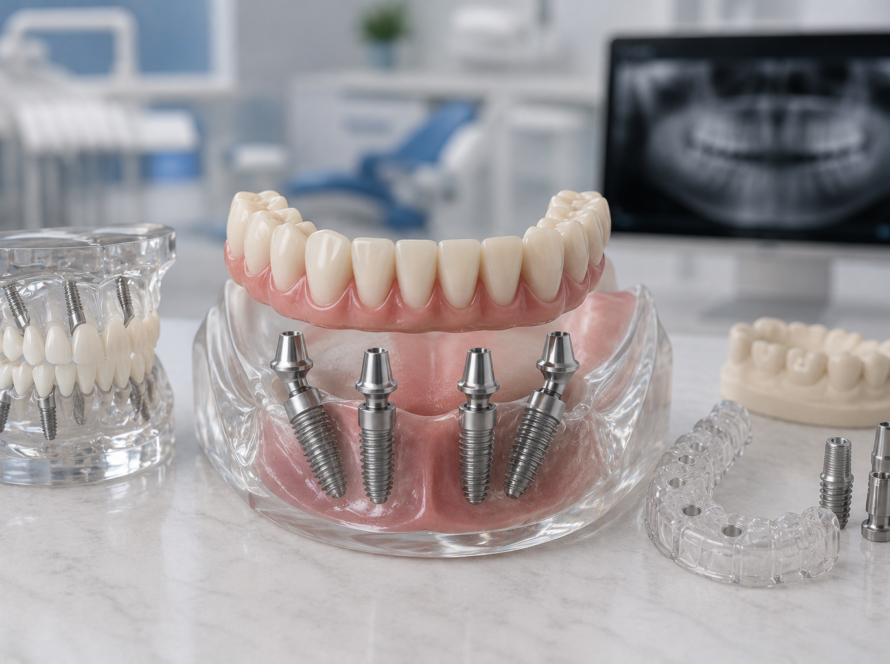
Dental implants are now one of the fastest-growing procedures in modern dentistry. Full-mouth rehabilitation and same-day implant systems such as All-on-4 have become heavily marketed worldwide.
Many clinics advertise:
- “Teeth in a day”
- Immediate smile restoration
- Same-day implants
- Full-mouth transformation
These treatments can genuinely improve quality of life for many patients when carefully planned and appropriately performed.
However, the reported scale of this particular surgery shocked both the public and many dental professionals.
Extracting 23 teeth and placing 12 implants in one session is considered extremely aggressive by many clinicians because such procedures place enormous physical stress on the body.
According to multiple Chinese media interviews, some dental specialists explained that although there may not be an official legal limit on how many teeth can be extracted at once, most complex extraction procedures typically involve far fewer teeth during a single appointment.
Several experts reportedly suggested that:
- 10 to 12 extractions
- Careful staged treatment
- More conservative scheduling
are more commonly practiced in high-risk or medically complex situations.
The public reaction became especially intense because many people feared that commercial pressure and cosmetic dentistry marketing may sometimes push clinics toward excessively aggressive treatment approaches.
Understanding Immediate Implant Dentistry
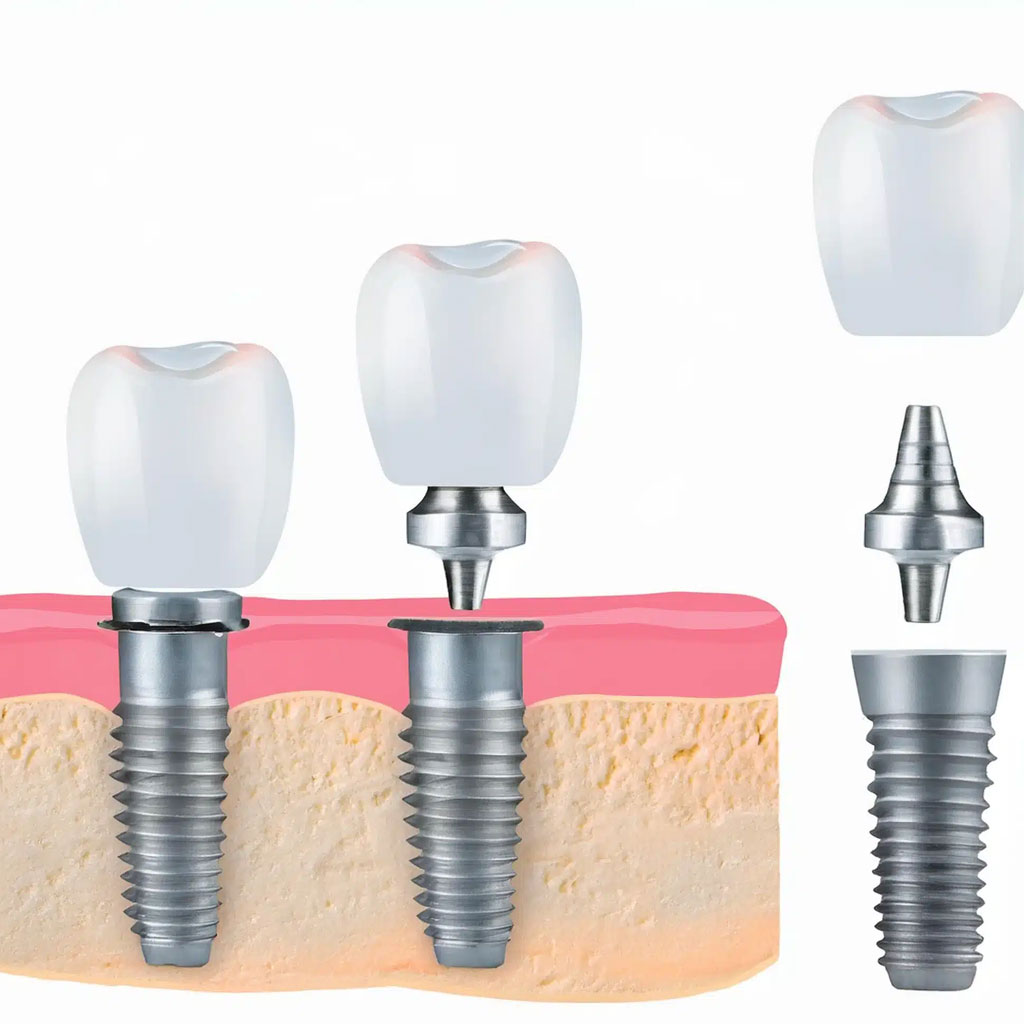
Immediate implant restoration has become increasingly popular in modern implantology.
Traditionally, implant treatment often required:
- Tooth extraction
- Healing periods
- Bone recovery
- Delayed implant placement
Modern digital dentistry has changed many of these workflows.
Today, advanced implant clinics increasingly use:
- CBCT imaging
- AI planning
- Guided surgery
- Immediate loading systems
- Full digital workflows
to place implants much faster than before.
In many successful cases, patients can receive temporary teeth on the same day as surgery.
This approach can significantly improve:
- Patient comfort
- Function
- Confidence
- Treatment speed
However, immediate full-mouth rehabilitation is still considered major surgery.
It requires careful evaluation of:
- Bone quality
- Systemic health
- Cardiovascular condition
- Healing ability
- Infection risk
- Medical history
- Surgical tolerance
When performed aggressively without proper assessment, risks may increase significantly.
The Physical Stress of Massive Oral Surgery
One of the biggest concerns raised by the case involves the physical burden placed on the human body during extreme same-day oral surgery.
Large-scale extractions combined with multiple implant placements can potentially create:
- Severe inflammation
- Significant blood loss
- Infection risk
- Pain complications
- Cardiovascular stress
- Surgical trauma
For older patients or individuals with underlying medical conditions, these risks may become more serious.
Oral surgery itself does not directly “cause” sudden cardiac arrest in most situations. However, major physiological stress, severe pain, anxiety, infection, inflammation, medication reactions, or pre-existing cardiovascular conditions can sometimes contribute to dangerous complications.
This is why modern implantology increasingly emphasizes:
- Detailed diagnostics
- Medical risk assessment
- Multidisciplinary planning
- Careful patient selection
According to implant dentistry trends analyzed by DenTrends.com, one of the biggest challenges in modern cosmetic and implant dentistry is balancing: Speed, profitability, and patient safety.
The Growing Commercialization of Implant Dentistry
The global dental implant market has grown explosively over the last decade.
Clinics now compete aggressively through marketing focused on:
- Smile makeovers
- Same-day teeth
- Full-mouth restoration
- Fast cosmetic transformation
Social media and digital advertising have amplified patient demand for rapid treatment.
However, this growth has also created concerns within the dental industry about:
- Over-commercialization
- Over-treatment
- Aggressive sales tactics
- High-pressure treatment planning
Some critics argue that modern dentistry is increasingly operating within a highly competitive cosmetic marketplace where speed and marketing sometimes overshadow conservative clinical judgment.
This does not mean immediate implant dentistry is inherently unsafe.
Millions of successful implant procedures are performed globally every year.
But the China case renewed international discussion about:
- Ethical treatment planning
- Medical responsibility
- Patient safety standards
especially in highly aggressive full-mouth procedures.
Why Medical Evaluation Matters Before Implant Surgery
One of the most important lessons highlighted by this case is the importance of thorough medical evaluation before major oral surgery.
Patients undergoing extensive implant treatment should ideally receive assessment for:
- Cardiovascular health
- Diabetes
- Smoking history
- Bone quality
- Medications
- Immune conditions
- Blood pressure
- Healing ability
Modern implantology is no longer simply a dental procedure.
It increasingly overlaps with:
- Surgery
- Systemic health
- Aging medicine
- Digital diagnostics
As implant dentistry becomes more advanced, patient screening becomes even more critical
Digital Dentistry Can Improve Safety — When Used Properly
Modern digital systems can significantly improve implant safety and planning.
Today’s advanced clinics increasingly rely on:
- CBCT imaging
- AI-assisted diagnostics
- Guided surgery
- Digital bite analysis
- Intraoral scanning
to improve precision and reduce complications.
Systems such as 3Shape TRIOS and Medit i900 help create accurate digital workflows.
CBCT platforms from companies like Carestream Dental and Vatech allow surgeons to visualize anatomy in three dimensions before surgery begins.
AI-assisted planning systems such as Diagnocat are increasingly used to analyze bone structures and support implant planning.
However, technology alone cannot replace:
- Clinical judgment
- Ethical responsibility
- Conservative treatment philosophy
Digital tools improve safety only when combined with careful human decision-making.
The Ethical Debate Around “Too Much Dentistry”
One of the most important conversations emerging from this tragedy involves the idea of “too much dentistry.”
In modern cosmetic and implant dentistry, some professionals increasingly worry about:
- Overtreatment
- Unnecessary extractions
- Excessive cosmetic intervention
- Profit-driven treatment planning
The public backlash surrounding this case reflects broader fears about whether some clinics may prioritize:
- Speed
- Revenue
- Marketing
over long-term patient well-being.
Many ethical dentists argue that the best dentistry is often:
- Conservative
- Medically responsible
- Patient-centered
- Long-term focused
rather than aggressively procedural.
The Investigation and Public Reaction
Following Huang’s death, the Yongkang Municipal Health Bureau reportedly launched an investigation into the dental hospital to evaluate whether proper medical standards and treatment protocols had been followed.
The case generated enormous online discussion throughout China, with many social media users questioning:
- Whether the procedure should have been allowed
- Whether proper risk assessment occurred
- Whether commercial dentistry has become too aggressive
The incident also sparked renewed discussion among dental professionals regarding:
- Implant surgery guidelines
- Full-mouth rehabilitation protocols
- Ethical treatment boundaries
What Patients Should Learn From This Case
This tragedy does not mean dental implants are unsafe.
Modern implant dentistry remains one of the most successful procedures in healthcare when properly planned and performed.
However, patients should understand that:
- Full-mouth surgery is major surgery
- Faster is not always safer
- More treatment is not always better
Patients considering extensive implant procedures should:
- Seek experienced providers
- Ask detailed questions
- Understand risks fully
- Request comprehensive diagnostics
- Consider second opinions when needed
The best implant dentistry focuses not only on replacing teeth —
but on protecting the patient’s long-term health and safety.
Final Thoughts
The tragic case involving 23 extractions and 12 implants in one session shocked many people because it highlighted growing concerns surrounding modern high-speed cosmetic and implant dentistry.
As dentistry becomes increasingly digital, competitive, and commercially driven, the industry must continue balancing:
- Innovation
- Profitability
- Patient expectations
- Ethical responsibility
- Medical safety
According to ongoing implantology and digital dentistry analysis from DenTrends.com, the future of implant dentistry will likely depend not only on technological advancement —
but on maintaining strong ethical clinical judgment in an increasingly aggressive dental marketplace.
Because successful dentistry is not measured only by how much treatment can be completed in one day. It is measured by how safely, responsibly, and ethically patients are cared for over the long term
Reference Links for the Article
News & Coverage About the China Dental Implant Case
References for Dental Implant Safety & Clinical Guidance
- American Academy of Implant Dentistry (AAID)
- Mayo Clinic – Dental Implants Overview
- Cleveland Clinic – Dental Implants Guide
- National Institute of Dental and Craniofacial Research