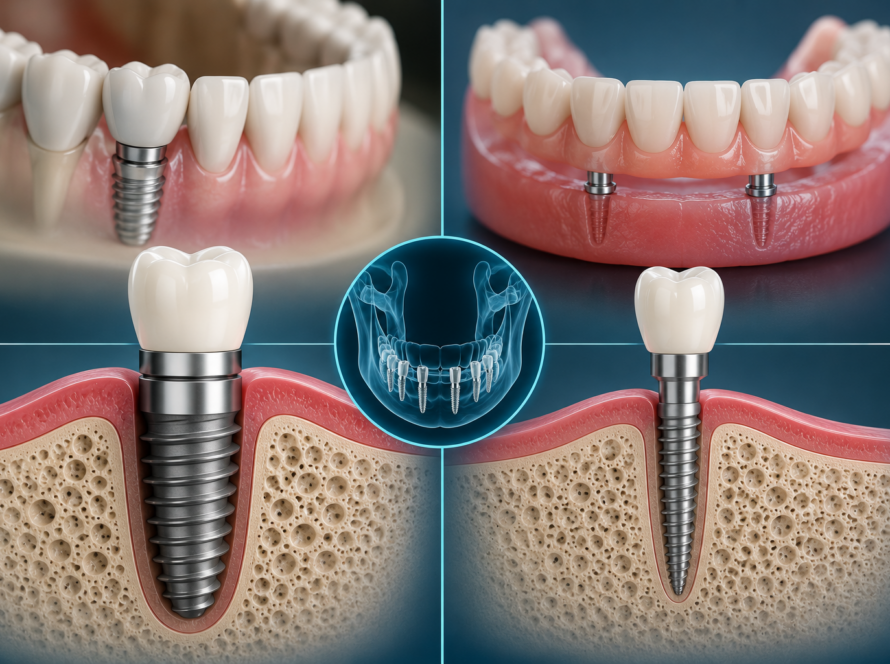

Dental implants are considered one of the most successful procedures in modern dentistry. Millions of implants are placed worldwide every year, and long-term success rates often exceed 90% when treatment is properly planned and maintained.
Modern implant dentistry has transformed the lives of countless patients by restoring:
- Function
- Confidence
- Oral health
- Facial support
- Smile aesthetics
However, despite these impressive success rates, dental implants can still fail.
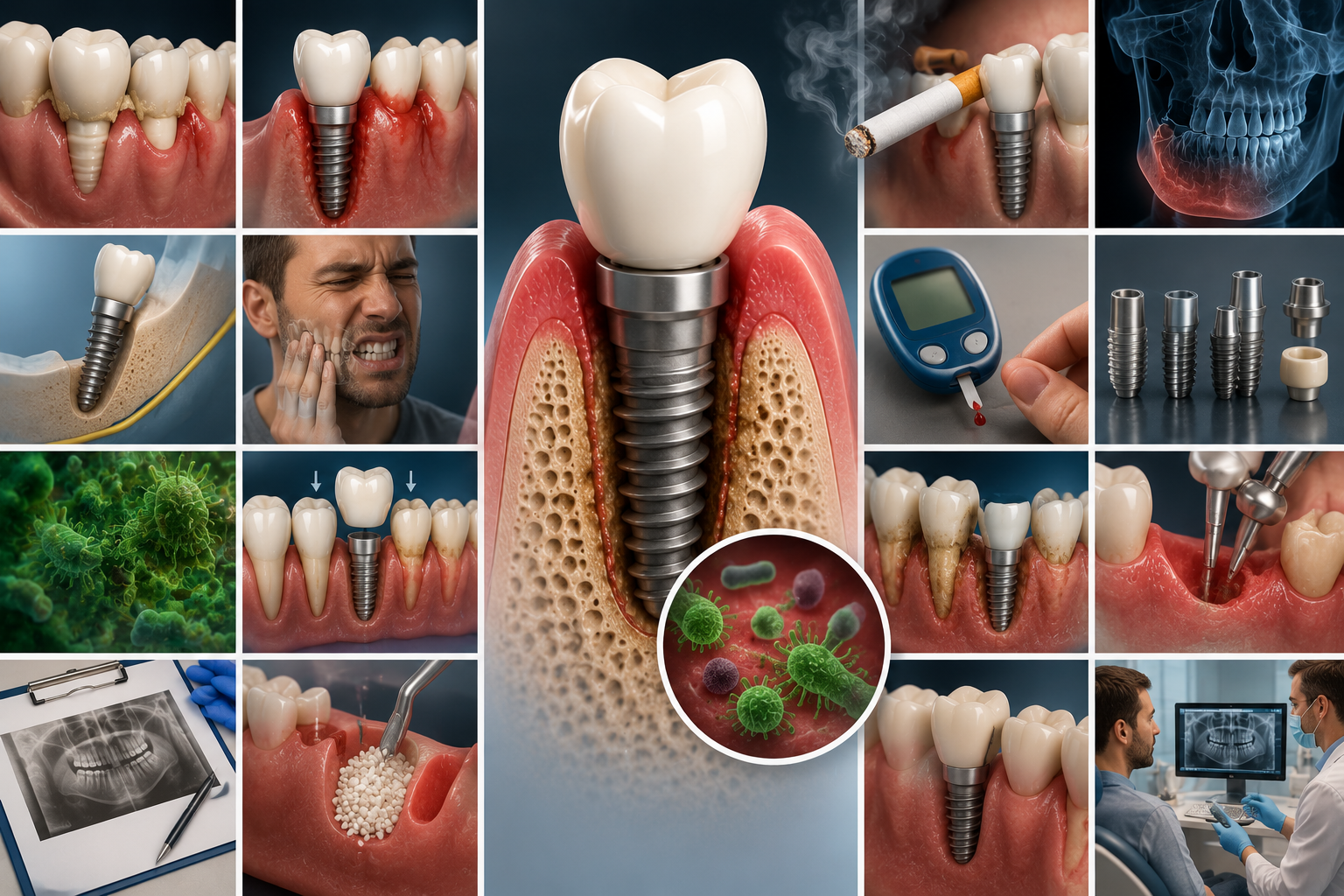
In many cases, implant failure does not happen because the implant itself is defective. Instead, failure usually occurs because of biological, mechanical, surgical, or lifestyle-related factors that compromise healing and long-term stability.
Understanding why implants fail is extremely important for both:
- Patients considering treatment
- Dentists performing implant procedures
Because in modern implantology, success is not determined only by surgery alone.
Long-term implant success depends on:
- Proper planning
- Bone health
- Patient behavior
- Technology
- Maintenance
- Clinical expertise
According to implantology trends analyzed by DenTrends.com, one of the biggest misconceptions in dentistry is the belief that implants are “permanent” and maintenance-free.
In reality, implants require ongoing biological stability and professional care to remain successful over decades. Here are the 12 most common reasons dental implants fail in modern dentistry.
1. Poor Oral Hygiene
One of the biggest causes of implant failure is poor oral hygiene.
Many patients incorrectly assume implants cannot develop problems because they are artificial. While implants cannot develop cavities like natural teeth, the surrounding gum and bone tissues are still vulnerable to inflammation and infection.
When plaque and bacteria accumulate around implants, patients may develop:
- Peri-implant mucositis
- Peri-implantitis
- Bone loss
- Gum inflammation
If untreated, this can eventually lead to implant loosening and failure.
Regular:
- Brushing
- Flossing
- Professional cleanings
- Implant maintenance visits
remain essential even after successful implant placement.
2. Peri-Implantitis
Peri-implantitis is one of the most serious biological complications in implant dentistry.
This inflammatory disease affects the bone and soft tissue surrounding dental implants and is often considered one of the leading causes of late implant failure.
Peri-implantitis may develop because of:
- Poor hygiene
- Smoking
- Excess cement
- Poor implant positioning
- Untreated gum disease
As bone loss progresses, implant stability decreases.
One of the biggest dangers is that peri-implantitis may progress silently without severe pain in the early stages. This is why regular professional monitoring is critical.
3. Smoking
Smoking significantly increases implant failure risk.
Nicotine negatively affects:
- Blood circulation
- Healing response
- Bone integration
- Immune function
Smokers often experience:
- Slower healing
- Increased infection risk
- Reduced osseointegration
- Greater bone loss
Heavy smokers especially face increased long-term complications. According to implant dentistry observations featured by DenTrends.com, smoking remains one of the strongest preventable risk factors associated with implant complications worldwide.
4. Poor Bone Quality or Bone Loss
Dental implants depend heavily on healthy bone support.
If the jawbone lacks:
- Density
- Volume
- Stability
implant integration may become compromised.
Severe bone loss may occur because of:
- Long-term missing teeth
- Gum disease
- Trauma
- Denture-related resorption
Without proper bone support, implants may fail to integrate successfully or may lose stability over time.
Modern clinics increasingly use:
- Bone grafting
- Guided regeneration
- Digital bone analysis
to improve treatment outcomes in complex cases.
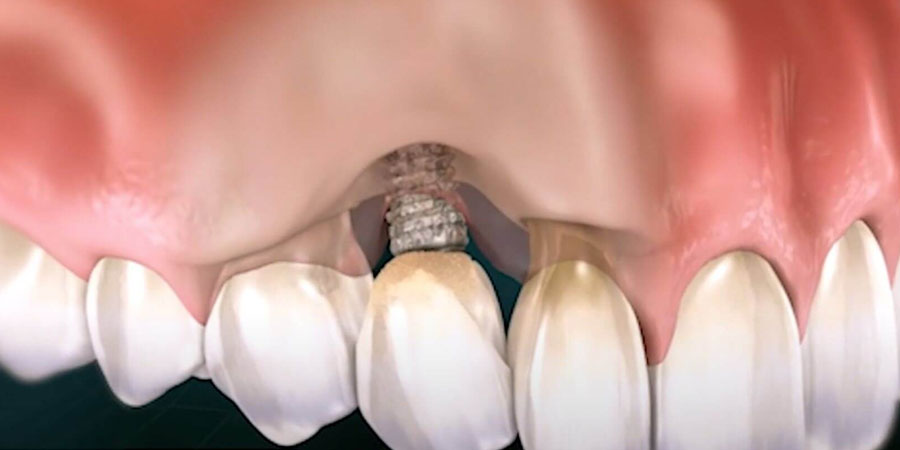
5. Improper Implant Placement
Surgical precision is critical in implant dentistry.
Poor implant positioning can create problems involving:
- Bite force imbalance
- Bone stress
- Prosthetic complications
- Nerve injury
- Sinus complications
Improper angulation may also compromise:
- Esthetics
- Cleaning access
- Long-term stability
Today’s advanced implant clinics increasingly use:
- CBCT imaging
- Guided surgery
- AI-assisted planning
- Digital surgical guides
to improve placement precision.
Systems such as:
provide detailed 3D anatomical analysis before surgery begins.
6. Teeth Grinding (Bruxism)
Teeth grinding places excessive mechanical pressure on implants and restorations.
Unlike natural teeth, implants do not have periodontal ligaments that help absorb force.
As a result, excessive grinding may contribute to:
- Implant overload
- Screw loosening
- Prosthetic fracture
- Bone stress
Patients with severe bruxism often require:
- Bite guards
- Occlusal adjustment
- Careful force management
to reduce long-term risk.
7. Uncontrolled Diabetes
Diabetes can significantly affect healing and implant success.
Patients with poorly controlled diabetes may experience:
- Delayed healing
- Increased infection risk
- Reduced bone regeneration
- Higher inflammatory response
Well-controlled diabetic patients can often still receive successful implant treatment, but careful medical management is essential. Modern implantology increasingly emphasizes systemic health evaluation before surgery.
8. Low-Quality Implant Systems
Not all implant brands are equal.
Premium implant systems such as:
invest heavily in:
- Research
- Surface technology
- Clinical studies
- Digital ecosystems
Low-cost implant systems may sometimes lack:
- Long-term scientific evidence
- Precision manufacturing
- Reliable prosthetic compatibility
While affordable implants may still succeed, poor-quality systems can increase risks involving:
- Mechanical failure
- Component mismatch
Prosthetic complications
9. Infection During Healing
Infections during early healing can compromise osseointegration.
Potential causes include:
- Poor sterilization
- Inadequate hygiene
- Surgical contamination
- Untreated periodontal disease
Early infections may lead to:
- Swelling
- Pain
- Bone loss
- Implant instability
This is why post-operative care and proper surgical protocols remain extremely important.
10. Overloading the Implant Too Early
Implants require time to integrate properly with the bone.
If excessive chewing pressure is placed too early during healing, osseointegration may become disrupted.
Immediate loading protocols can be highly successful when carefully planned. However, aggressive loading in poor conditions may increase failure risk. Modern digital planning and guided surgery are helping improve immediate loading predictability significantly.
11. Gum Disease History
Patients with severe periodontal disease history often face increased implant complications.
The same bacterial and inflammatory conditions that damaged natural teeth may also affect implants.
This does not mean gum disease patients cannot receive implants.
But they often require:
- Strict maintenance
- Periodontal monitoring
- Improved hygiene programs
to protect long-term implant health.
12. Lack of Long-Term Maintenance
One of the most overlooked causes of implant failure is neglecting long-term professional care.
Some patients disappear after treatment and fail to attend:
- Recall visits
- Professional cleanings
- Implant evaluations
This allows early complications to progress unnoticed.
Successful implant dentistry is not a “one-time procedure.” It requires lifelong monitoring and maintenance.
How Digital Dentistry Is Reducing Implant Failures
Modern digital technology is dramatically improving implant safety and predictability.
Today’s advanced implant clinics increasingly rely on:
- CBCT imaging
- Guided surgery
- AI-assisted planning
- Intraoral scanning
- Digital bite analysis
to improve treatment precision.
Systems such as:
help create highly accurate digital workflows.
AI-driven platforms such as:
are increasingly assisting clinicians with anatomical analysis and implant planning.
Digital dentistry is making implant procedures:
- More predictable
- More conservative
- More personalized
than ever before.
Can Failed Implants Be Replaced?
In many cases, yes.
Failed implants can sometimes be:
- Removed
- Regrafted
- Replaced after healing
However, retreatment may require:
- Bone grafting
- Soft tissue management
- Longer healing periods
Preventing failure is always easier than correcting it later.
DenTrends Thoughts
Dental implants remain one of the most successful procedures in modern healthcare.
But success is never guaranteed automatically.
Implant longevity depends on a combination of:
- Surgical precision
- Bone health
- Implant quality
- Patient habits
- Long-term maintenance
- Digital planning
Modern technology is helping reduce complications through:
- AI-assisted diagnostics
- Guided surgery
- Digital workflows
- Better treatment planning
According to ongoing implantology analysis from DenTrends.com, the future of implant dentistry will likely become even safer and more predictable as digital systems continue evolving.
Because successful implant dentistry is not simply about placing titanium into bone.
It is about maintaining long-term biological harmony between:
- Technology
- Surgery
- Bone
- Soft tissue
- Patient behavior
- Professional care
for many years to come.