

Dental Support Organizations (DSOs) are rapidly transforming the business of dentistry. As competition intensifies, labor costs rise, and patient expectations evolve, technology is becoming the primary growth engine for successful DSOs.
In 2026, the fastest-growing DSOs are not simply opening more locations. They are building technology-driven organizations that improve operational efficiency, clinical consistency, patient experience, and profitability across multiple practices.
The question is no longer whether DSOs should invest in technology.
The question is how quickly they can adopt it.
According to industry trends analyzed by DenTrends.com, the most successful DSOs over the next decade will be those that leverage Artificial Intelligence, cloud infrastructure, data analytics, automation, and digital workflows to create scalable, patient-centered organizations.
Why Technology Is Critical for DSO Growth
Managing multiple practices creates unique challenges:
- Standardizing clinical protocols
- Managing workforce shortages
- Maintaining patient experience
- Improving operational efficiency
- Scaling marketing efforts
- Tracking performance across locations
Technology helps DSOs solve these challenges through centralized systems and data-driven decision-making. A modern DSO increasingly operates like a healthcare technology company rather than a traditional dental group.
Building a Cloud-Based Practice Ecosystem
One of the first priorities for growing DSOs is cloud-based infrastructure.
Cloud practice management platforms allow leadership teams to:
- Monitor multiple locations
- Access real-time reporting
- Standardize workflows
- Improve data security
- Simplify IT management
Leading solutions include:
Cloud systems eliminate many of the limitations associated with traditional server-based environments.
AI-Powered Clinical Decision Support
Artificial Intelligence is becoming a major strategic investment for DSOs.
AI platforms assist clinicians with:
- Radiograph interpretation
- Treatment opportunities
- Risk assessment
- Diagnostic consistency
Leading platforms include:
For DSOs, AI helps create more consistent treatment planning across multiple providers and locations.
Centralized Data Analytics
The most advanced DSOs increasingly rely on business intelligence dashboards.
Key metrics include:
- Production
- Collections
- New patients
- Case acceptance
- Hygiene performance
- Provider utilization
- Marketing ROI
Real-time analytics allow leadership teams to identify:
- Underperforming locations
- Growth opportunities
- Staffing needs
- Revenue trends
Data-driven organizations consistently outperform intuition-driven organizations.
Digital Patient Acquisition Systems
Marketing technology is becoming a major growth driver.
Modern DSOs are investing heavily in:
Local SEO
Ranking practices on Google Maps for:
- Dentist near me
- Dental implants
- Invisalign
- Emergency dentistry
Reputation Management
Automated review generation systems increase:
- Google reviews
- Online visibility
- Patient trust
Marketing Automation
Automated:
- Email campaigns
- Recall reminders
- Appointment confirmations
- Reactivation campaigns
improve patient retention and reduce administrative workload.
Teledentistry and Virtual Consultations
Virtual consultations are becoming increasingly valuable for:
- Orthodontics
- Cosmetic dentistry
- Implant consultations
- Treatment planning discussions
Benefits include:
- Improved patient convenience
- Increased conversion rates
- Expanded geographic reach
DSOs that implement virtual consultation systems can often reduce friction in the patient acquisition process.
Standardized Digital Workflows
Digital dentistry allows DSOs to create consistent treatment experiences across locations.
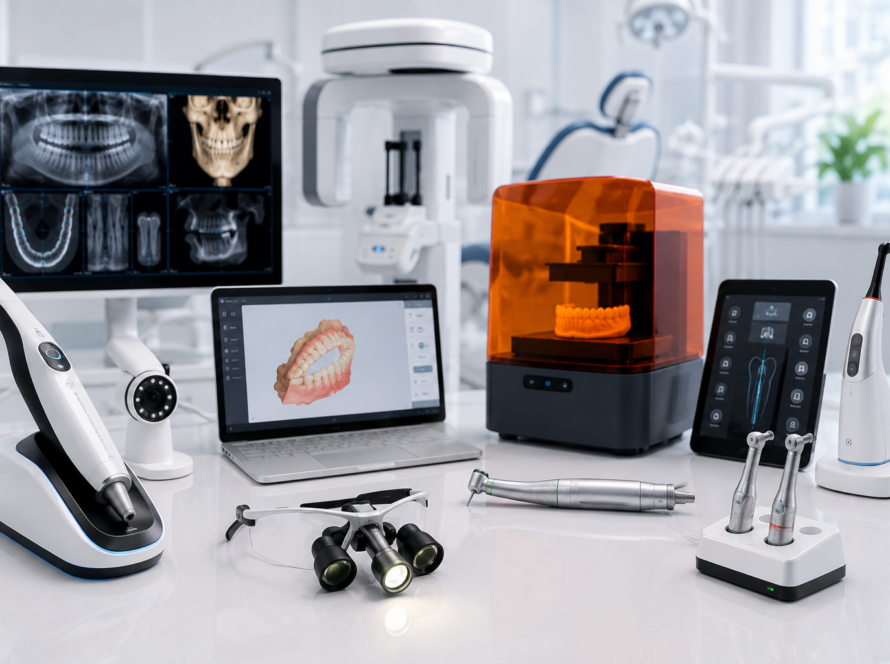
Technology investments often include:
Intraoral Scanners
Popular systems include:
CBCT Imaging
Used for:
- Implant planning
- Orthodontics
- Oral surgery
Digital Treatment Planning
Enables:
- Consistency
- Predictability
- Improved communication
Digital workflows reduce remakes and improve patient satisfaction.
AI Voice Charting and Clinical Documentation
Documentation remains a major burden for providers.
New AI-powered systems help automate:
- Clinical notes
- Treatment documentation
- Patient records
Examples include:
These technologies allow clinicians to spend more time with patients and less time typing.
Workforce Optimization Through Technology
Staffing remains one of the biggest challenges facing DSOs.
Technology can help through:
- Automated scheduling
- Workforce planning
- Online training platforms
- Performance dashboards
- Internal communication systems
Organizations that improve operational efficiency often gain a significant competitive advantage.
Cybersecurity and Compliance
As DSOs grow, cybersecurity becomes increasingly important.
Technology growth plans should include:
- HIPAA compliance
- Data encryption
- Backup systems
- Multi-factor authentication
- Security monitoring
Protecting patient information is essential for long-term scalability.
Building a Centralized Learning Ecosystem
The fastest-growing DSOs invest heavily in continuous education.
Technology-driven learning systems can deliver:
- Clinical training
- Leadership development
- New employee onboarding
- Compliance training
Learning management systems help maintain consistency across multiple practices.
Future Technology Priorities for DSOs (2026–2030)
Over the next five years, many DSOs are expected to prioritize:
Artificial Intelligence
For diagnostics, scheduling, and operations.
Predictive Analytics
For forecasting patient behavior and business performance.
Robotic Dentistry
Especially in implantology and surgical workflows.
Digital Patient Journeys
Fully integrated communication and engagement systems.
Cloud-Based Multi-Location Management
Centralized operational control.
Automated Revenue Cycle Management Reducing administrative costs and improving collections.
Why DenTrends Matters for DSO Leaders
As technology evolves rapidly, staying informed becomes increasingly difficult.
Through:
- DenTech
- DenThink
- DenTrade
- DenTools
DenTrends.com helps DSO executives, practice leaders, and industry stakeholders stay informed about:
- Emerging technologies
- AI innovations
- Industry trends
- New product launches
- Strategic growth opportunities
In a rapidly changing industry, knowledge itself becomes a competitive advantage.
DenTrends Thoughts
Technology is no longer a support function for DSOs.
It is the foundation of future growth.
Organizations that embrace cloud systems, AI-powered diagnostics, digital workflows, centralized analytics, and patient engagement technologies will be better positioned to scale efficiently while improving patient care.
The most successful DSOs in 2030 will likely be those making strategic technology investments today. As dentistry becomes increasingly digital, the future belongs to organizations that combine clinical excellence with technological innovation.