
Teeth whitening remains one of the most requested cosmetic dental treatments worldwide. In 2026, patients have more whitening options than ever before, ranging from professional in-office procedures and take-home systems to LED whitening kits and AI-guided cosmetic treatment planning.
A brighter smile is often associated with confidence, youthfulness, and good oral health, which explains why teeth whitening continues to be a multi-billion-dollar segment of the global dental industry. However, with countless products and marketing claims competing for attention, many patients struggle to determine which whitening methods actually work and which deliver the safest, longest-lasting results.
According to cosmetic dentistry trends analyzed by DenTrends.com, professional whitening procedures continue to outperform over-the-counter alternatives in terms of effectiveness, safety, and predictability. At the same time, new technologies and digital workflows are helping dentists personalize whitening treatments more precisely than ever before.
Why Teeth Become Discolored
Before exploring whitening options, it is important to understand why teeth lose their brightness over time.
Tooth discoloration can occur due to:
- Coffee and tea consumption
- Red wine
- Tobacco use
- Aging
- Poor oral hygiene
- Certain medications
- Trauma
- Excessive fluoride exposure
Some stains remain on the outer enamel surface, while others penetrate deeper into the tooth structure. The type and severity of discoloration often determine which whitening treatment will be most effective.
1. Professional In-Office Teeth Whitening
Professional in-office whitening remains the gold standard for patients seeking the fastest and most dramatic results.
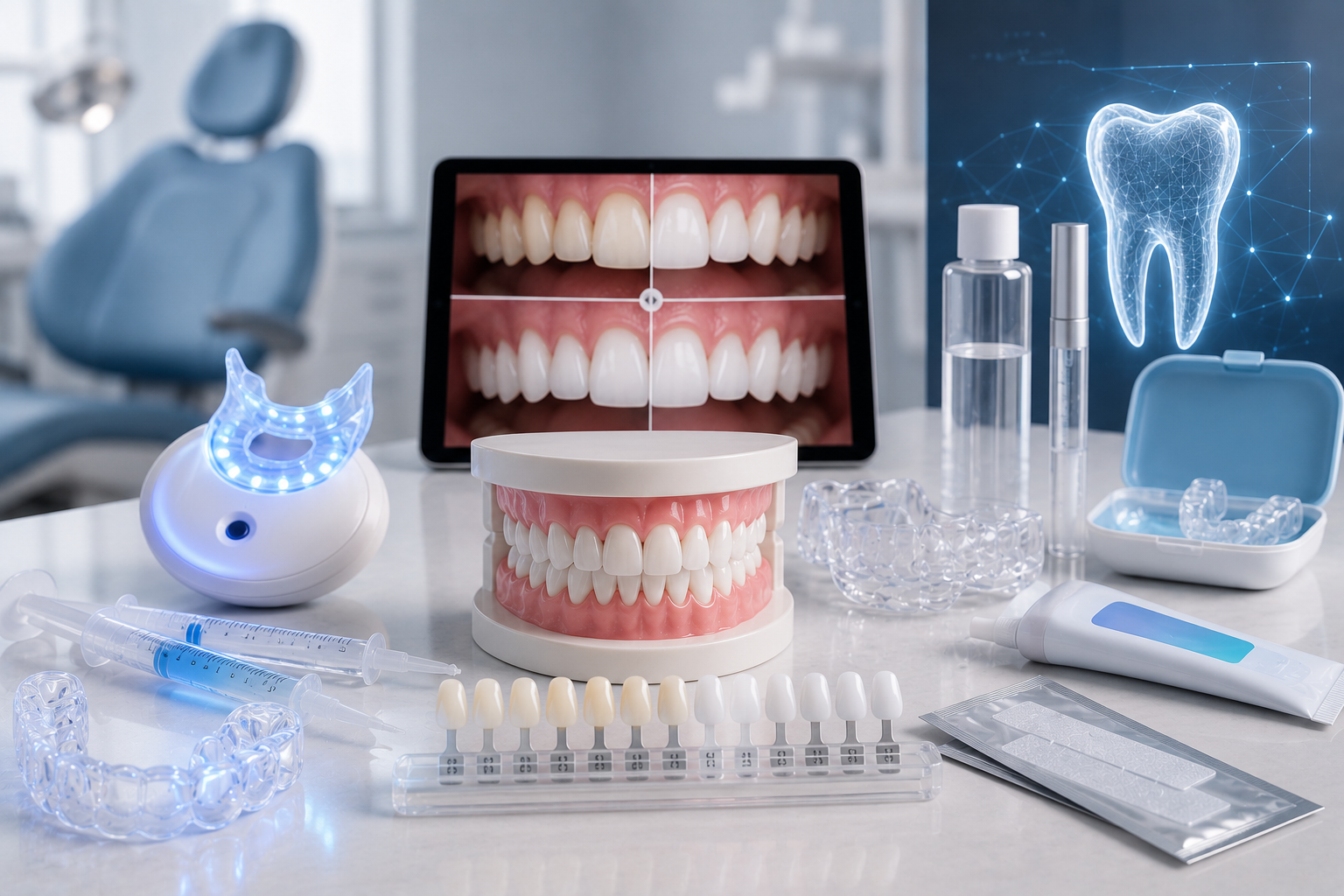
Dentists use highly concentrated whitening agents containing hydrogen peroxide or carbamide peroxide that can significantly lighten tooth shade in a single appointment.
Modern systems often incorporate:
- Advanced whitening gels
- Protective gum barriers
- Light-activated technologies
- Digital shade analysis
Many patients see noticeable improvements after just one session.
The biggest advantages include:
- Fast results
- Professional supervision
- Reduced sensitivity management
- Customized treatment
For patients preparing for important events such as weddings, business presentations, or public appearances, in-office whitening continues to be the most effective solution.
2. Custom Take-Home Whitening Trays
Many cosmetic dentists consider custom whitening trays one of the most predictable whitening methods available.
The process begins with digital impressions or intraoral scans that create personalized whitening trays designed specifically for the patient’s teeth.
Patients then use professional-grade whitening gel at home over several days or weeks.
The benefits include:
- Excellent whitening control
- Reduced sensitivity
- Even gel distribution
- Long-lasting results
Unlike generic whitening kits, custom trays provide consistent contact between the whitening gel and tooth surfaces, improving treatment effectiveness.
3. LED Teeth Whitening Systems
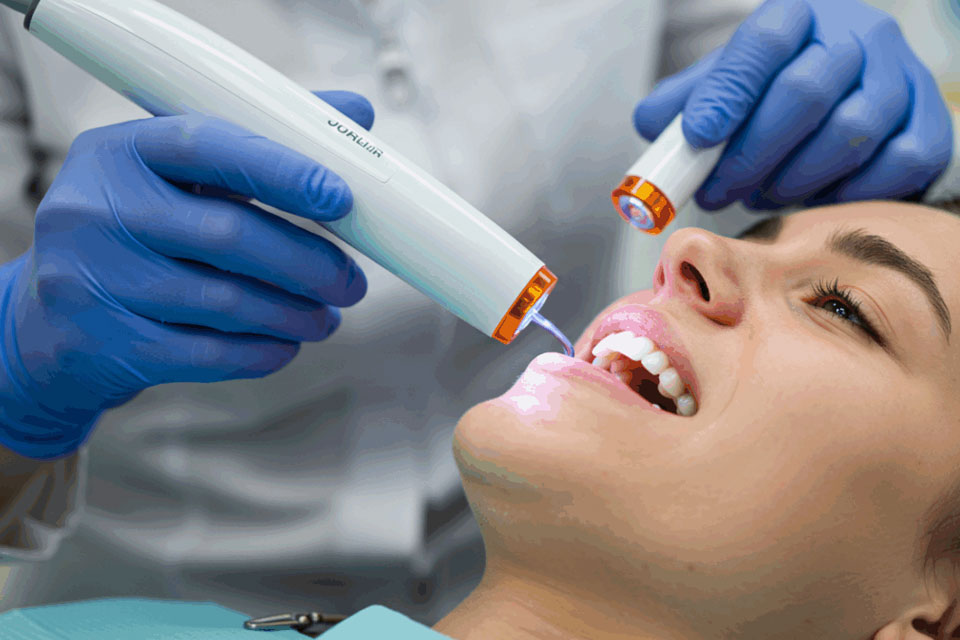
LED whitening systems have become increasingly popular in both dental offices and consumer markets.
These systems use specialized light technology to activate whitening gels and accelerate the whitening process.
While LED lights themselves do not whiten teeth directly, they may enhance the effectiveness of certain whitening formulations.
Many modern dental practices now offer:
- Chairside LED whitening
- Hybrid whitening protocols
- Combined in-office and take-home solutions
Patients are often attracted to LED whitening because of its:
- Short treatment times
- Comfortable experience
- Modern technology appeal
4. Whitening Toothpastes
Whitening toothpastes remain one of the most widely used cosmetic oral care products.
These products primarily work by removing:
- Surface stains
- Plaque buildup
- Minor discoloration
They do not typically change the intrinsic color of teeth like professional whitening systems.
However, whitening toothpastes can help maintain results after professional treatment and improve overall smile appearance.
They are best viewed as maintenance products rather than standalone whitening solutions.
5. Whitening Strips
Whitening strips continue to be popular because they are:
- Affordable
- Convenient
- Widely available
The strips contain whitening agents that adhere directly to tooth surfaces.
Many patients achieve moderate whitening improvements after several days or weeks of consistent use.
However, whitening strips often have limitations:
- Uneven coverage
- Limited effectiveness on severe stains
- Potential gum irritation
For mild to moderate discoloration, they remain a practical option.
6. Internal Tooth Whitening
Not all discoloration occurs on the outside of teeth.
Teeth that have undergone root canal treatment may darken internally.
In these cases, dentists may recommend internal whitening procedures that target discoloration from within the tooth structure.
This specialized treatment can often restore the appearance of a darkened tooth without requiring crowns or veneers.
7. Porcelain Veneers for Severe Discoloration
When whitening treatments cannot achieve desired results, porcelain veneers may provide an alternative solution.
Veneers are thin ceramic shells bonded to the front surfaces of teeth.
They are particularly useful for:
- Severe staining
- Tetracycline discoloration
- Enamel defects
- Cosmetic smile makeovers
While veneers are not technically a whitening treatment, they often deliver the most dramatic smile transformation possible.
How AI Is Changing Cosmetic Dentistry
Artificial Intelligence is beginning to influence smile design and whitening consultations.
Modern AI-powered systems can assist dentists by:
- Simulating whitening outcomes
- Analyzing smile aesthetics
- Creating treatment previews
- Improving patient communication
As digital dentistry evolves, cosmetic treatment planning is becoming increasingly personalized and predictable.
According to technology coverage from DenTrends.com, AI-assisted cosmetic consultations may become standard practice in many dental clinics over the next decade.
Are Teeth Whitening Treatments Safe?
When performed correctly, professional whitening treatments are generally considered safe.
Some patients may experience temporary:
- Tooth sensitivity
- Gum irritation
- Mild discomfort
These effects typically resolve within a short period.
The safest whitening results are usually achieved under professional supervision, where treatment strength and duration can be customized based on individual needs.
Which Whitening Method Is Best in 2026?
The ideal whitening method depends on:
- Severity of staining
- Budget
- Desired speed of results
- Sensitivity concerns
- Long-term cosmetic goals
For most patients:
- Best Overall Results: Professional In-Office Whitening
- Best Long-Term Control: Custom Take-Home Trays
- Best Budget Option: Whitening Strips
- Best Maintenance Solution: Whitening Toothpaste
- Best Solution for Severe Discoloration: Porcelain Veneersworkflows are expected to become increasingly common as digital dentistry continues evolving.
DenTrends Thoughts
Teeth whitening continues to evolve as one of the most popular cosmetic dental treatments in the world.
Modern whitening technologies provide patients with more choices than ever before, from professional chairside procedures to advanced at-home systems.
While many whitening products can improve smile appearance, professional treatments remain the most effective and predictable option for achieving significant results safely.
As digital dentistry and artificial intelligence continue transforming cosmetic care, patients can expect even more personalized whitening solutions in the future.
A brighter smile is no longer simply about appearance—it is increasingly becoming part of a broader approach to confidence, wellness, and modern dental care.