
Dental implants have become one of the most talked-about treatments in modern dentistry. In 2026, millions of patients worldwide are considering implants as a long-term solution for missing teeth, failing dental work, loose dentures, and full-mouth rehabilitation.
But despite their growing popularity, one major question continues to dominate patient conversations:
“Are dental implants really worth it?”
The answer is not as simple as yes or no.
Dental implants can completely transform a person’s life, confidence, oral health, and chewing ability. At the same time, they are also one of the most expensive procedures in dentistry, making many patients hesitate before investing.
In 2026, the conversation around implants is no longer only about replacing teeth.
It is about:
- Long-term value
- Quality of life
- Technology
- Health preservation
- Confidence
- Lifestyle improvement
According to dental industry trends analyzed by DenTrends.com, dental implants are increasingly viewed not simply as a cosmetic procedure, but as a long-term health investment.
What Exactly Are Dental Implants?
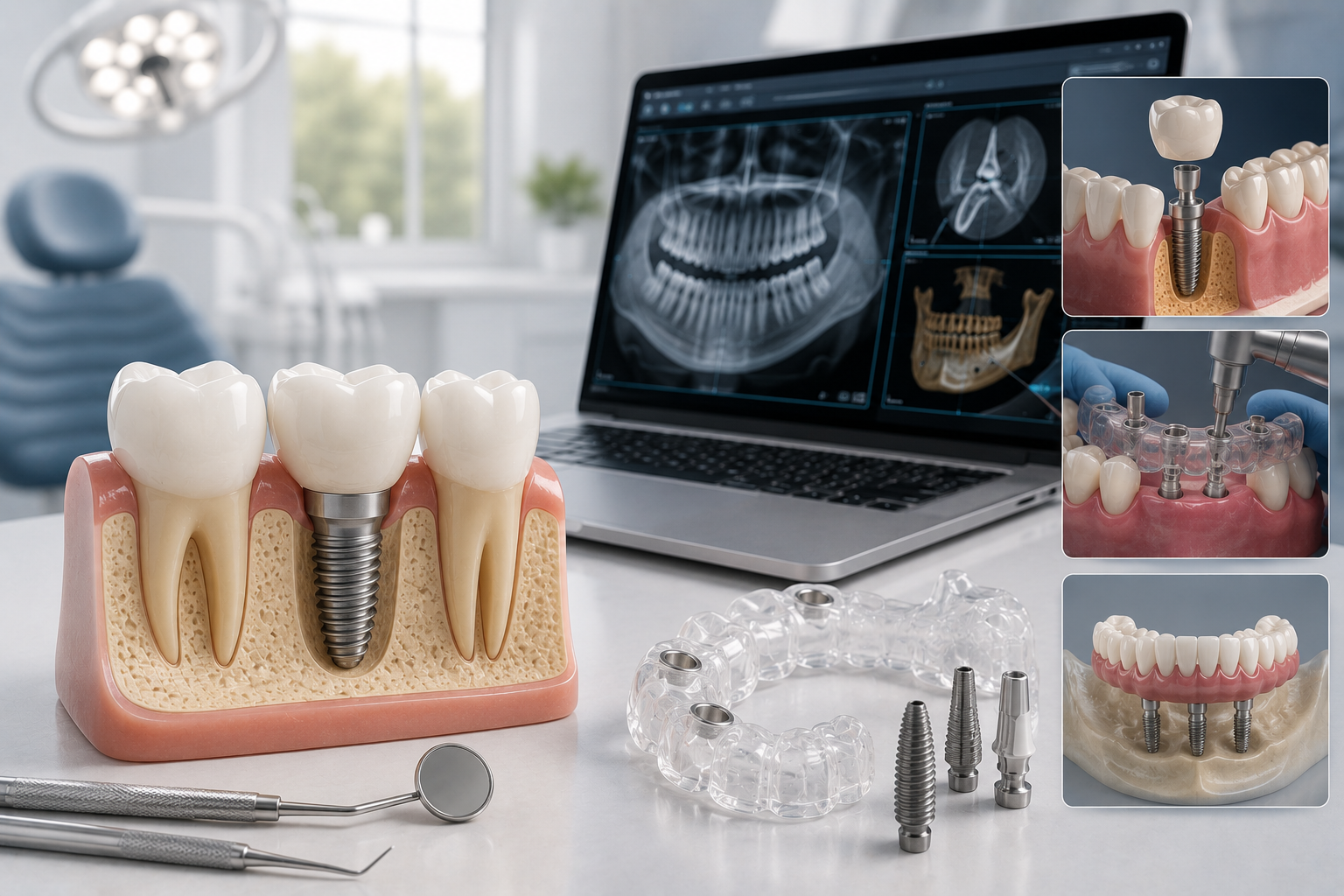
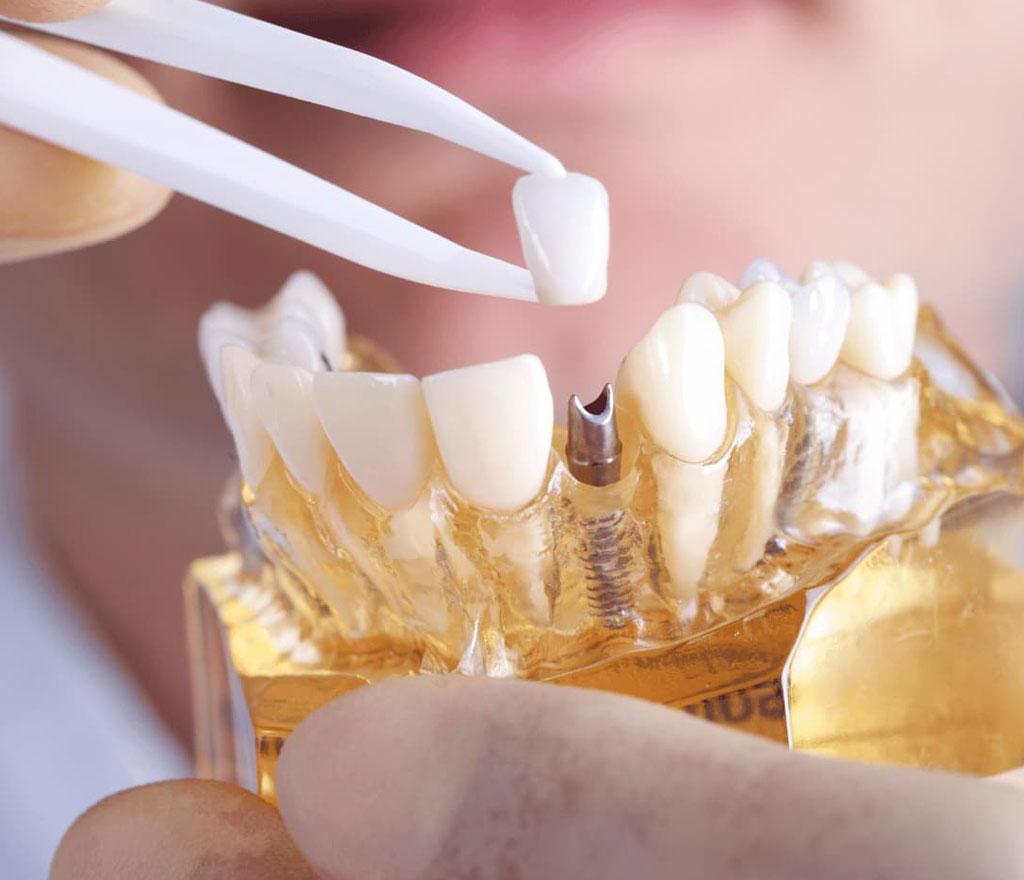
Dental implants are artificial tooth roots, usually made from titanium or zirconia, that are surgically placed into the jawbone to support replacement teeth.
Unlike removable dentures or traditional bridges, implants integrate directly with the jawbone through a biological process called osseointegration.
This allows implants to function much more like natural teeth.
Modern implant systems can replace:
- A single missing tooth
- Multiple teeth
- Full arches
- Entire mouths
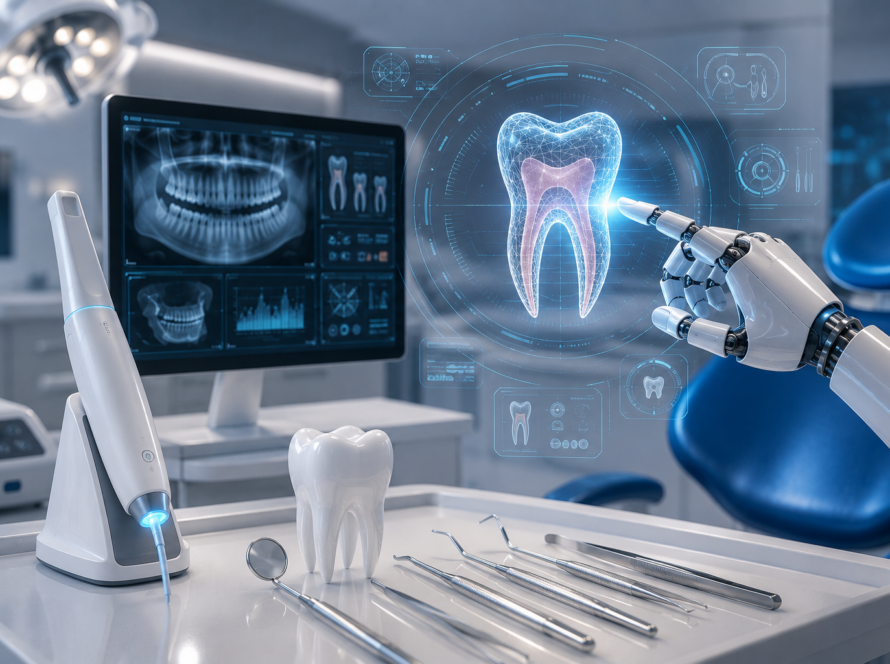
Advanced digital dentistry workflows now allow implant treatment to become more accurate and predictable than ever before.
Clinics increasingly use:
- CBCT imaging
- AI diagnostics
- Guided surgery
- Intraoral scanners
- 3D printing
to improve treatment precision and long-term outcomes.
Why Dental Implants Became So Popular
The biggest reason implants became popular is simple:
People want fixed teeth that feel natural.
Traditional dentures often create frustration because they can:
- Slip during speaking
- Reduce chewing ability
- Cause gum irritation
- Affect confidence
- Accelerate bone loss
Dental bridges, while effective in some situations, may require modifying healthy adjacent teeth.
Implants solve many of these problems by functioning independently inside the jawbone.
Patients increasingly choose implants because they offer:
- Stability
- Natural appearance
- Better chewing power
- Long-term durability
- Bone preservation
- Improved confidence
According to treatment trend analysis by DenTrends.com, modern patients increasingly prioritize quality-of-life dentistry rather than temporary solutions.
The Biggest Benefits of Dental Implants
One of the most important advantages of dental implants is bone preservation.
When natural teeth are lost, the jawbone gradually begins shrinking because it no longer receives stimulation from tooth roots. This bone loss can eventually change facial appearance and weaken oral structures.
Dental implants help preserve bone because they stimulate the jaw similarly to natural teeth.
This makes implants fundamentally different from removable dentures.
Another major advantage is chewing efficiency.
Patients with implants can usually eat much more comfortably compared with removable prosthetics. Foods such as:
- Steak
- Apples
- Nuts
- Raw vegetables
often become easier to eat again.
Speech also improves for many patients because implants remain stable inside the mouth.
Confidence is another major factor.
Many patients report dramatic emotional improvements after implant treatment because they no longer fear:
- Denture movement
- Smile embarrassment
- Missing teeth visibility
- Social discomfort
Modern implant esthetics have also improved dramatically due to digital smile design and high-quality restorative materials.
Are Dental Implants Permanent?
One of the biggest misconceptions is that implants last forever without maintenance.
While implants are extremely durable, they still require:
- Proper oral hygiene
- Regular dental visits
- Long-term maintenance
- Healthy lifestyle habits
Many implants can last decades when properly maintained.
However, complications can occur if patients:
- Smoke heavily
- Neglect hygiene
- Grind teeth severely
- Ignore gum disease
- Skip maintenance visits
Peri-implant disease has become one of the growing concerns in implant dentistry.
This is why long-term professional monitoring remains essential.
The Real Cost of Dental Implants in 2026
Cost remains one of the biggest reasons patients hesitate.
In the United States, a single implant in 2026 commonly ranges between:
- $3,000 to $6,500+
depending on:
- Implant brand
- Bone grafting needs
- Crown material
- Surgical complexity
- Clinic location
- Technology used
Full-mouth implant treatments such as All-on-4 may range from:
- $20,000 to $70,000+
Technology-driven clinics using:
- Guided surgery
- AI planning
- Premium zirconia restorations
- Full digital workflows
may charge significantly higher fees.
According to market observations covered by DenTrends.com, implant dentistry is increasingly dividing into:
- Budget-driven implant centers
- Premium digital implant clinics
Patients are becoming more aware that lower pricing does not always equal better long-term value.
Why Dental Implants Are More Expensive Than Before
Modern implant dentistry has become highly technology-driven.
Today’s advanced implant clinics increasingly use:
- CBCT systems
- AI-assisted planning
- Intraoral scanners
- Facial scanning
- 3D printed surgical guides
- Guided implant surgery
These technologies improve:
- Precision
- Safety
- Predictability
- Esthetics
- Long-term outcomes
Systems such as 3Shape TRIOS and Medit i900 now eliminate many traditional impression methods.
CBCT imaging from companies like Carestream Dental and Vatech allows dentists to plan surgeries with extraordinary precision.
These advancements increase treatment quality —
but they also increase operational costs.
Are Implants Better Than Dentures?
For many patients, yes.
Implants generally provide:
- Better stability
- Better chewing
- Improved speech
- Greater confidence
- Bone preservation
However, dentures still remain important for certain patients because they are:
- More affordable
- Less invasive
- Faster initially
- Suitable for some medical conditions
The best solution depends heavily on:
- Budget
- Bone condition
- Overall health
- Lifestyle expectations
- Long-term goals
Not every patient necessarily requires implants.
But for patients seeking maximum function and stability, implants often provide superior long-term experiences.
The Risks Patients Should Understand
Implants are highly successful —
but they are still surgical procedures.
Potential risks include:
- Implant failure
- Infection
- Nerve injury
- Bone loss
- Sinus complications
- Peri-implantitis
Success rates are generally very high when treatment is performed by experienced providers using proper planning.
Still, implants are not “simple cosmetic procedures.”
They require:
- Surgical expertise
- Prosthetic planning
- Long-term maintenance
- Patient commitment
This is why choosing the right provider matters enormously.
AI and Digital Dentistry Are Changing Implant Treatment
One of the biggest changes in 2026 is how digital dentistry is improving implant workflows.
AI and digital systems now assist with:
- Implant positioning
- Surgical planning
- Bone analysis
- Smile simulations
- Guided surgery
- Prosthetic accuracy
Platforms like Diagnocat use AI-assisted CBCT analysis to improve treatment planning precision.
Modern implantology is becoming:
- More digital
- More predictive
- More personalized
According to industry coverage from DenTrends.com, future implant dentistry will likely become increasingly connected with:
- AI diagnostics
- Robotic surgery
- Facial scanning
- Full digital workflows
The Emotional Value of Dental Implants
One aspect often overlooked is emotional transformation.
Many implant patients spent years struggling with:
- Embarrassment
- Smile insecurity
- Eating limitations
- Denture frustration
- Social anxiety
For these patients, implants are not simply about teeth.
They are about:
- Confidence
- Identity
- Comfort
- Freedom
Some patients describe implant treatment as one of the most important investments they ever made in themselves.
So… Are Dental Implants Worth It?
For many patients, yes.
Dental implants can provide:
- Long-term function
- Improved confidence
- Better oral health
- Enhanced quality of life
- Superior stability
- Natural esthetics
But they are also:
- Expensive
- Surgical
- Maintenance-dependent
- Not risk-free
The value of implants depends heavily on:
- The patient’s goals
- The quality of treatment
- Long-term maintenance
- Provider expertise
The most successful implant cases usually involve:
Proper patient educationtient outcomes.
Advanced planning
Digital technology
Experienced clinicians
Final Thoughts
Dental implants in 2026 are no longer viewed simply as luxury dentistry.
They are increasingly becoming part of modern long-term oral rehabilitation and quality-of-life healthcare.
Technology has made implant dentistry:
- More precise
- More esthetic
- More predictable
- More accessible
At the same time, patient expectations continue rising.
People no longer only want replacement teeth.
They want:
- Confidence
- Comfort
- Stability
- Natural function
- Long-term value
According to ongoing digital dentistry coverage by DenTrends.com, the future of implant dentistry will likely become even more AI-driven, digitally connected, and patient-personalized over the next decade.
Because modern dental implants are not simply about filling gaps anymore.
They are about restoring health, confidence, lifestyle, and the ability to live without constantly thinking about missing teeth.