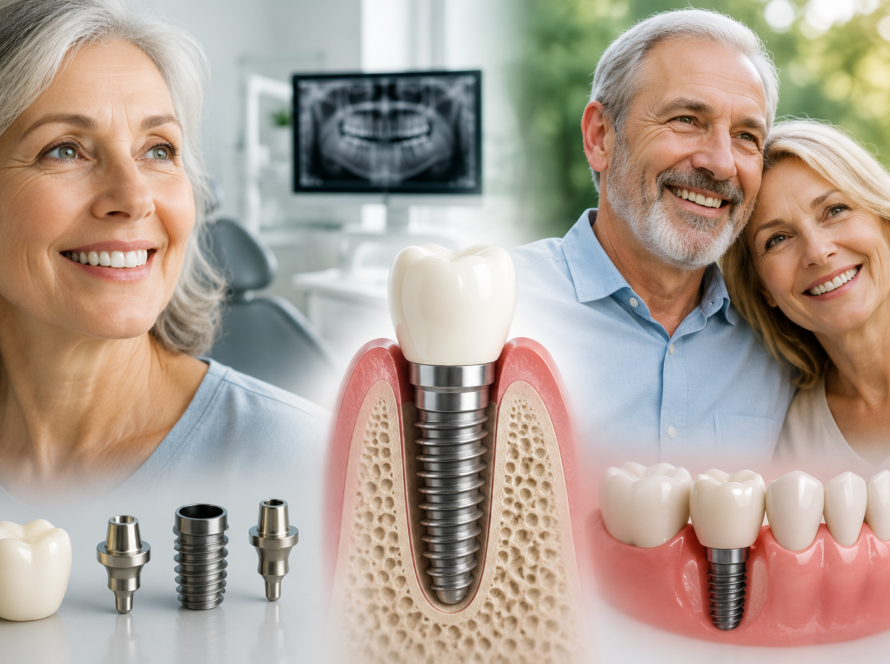

For millions of people struggling with missing teeth, loose dentures, failing dental work, or severe oral deterioration, All-on-4 dental implants have become one of the most life-changing treatments in modern dentistry.
What once required multiple surgeries, months of healing, and complicated restorative procedures can now often be completed through a streamlined full-arch implant solution designed to restore an entire smile using just four strategically placed implants.
Over the last decade, All-on-4 has transformed from a specialized implant procedure into one of the fastest-growing full-mouth rehabilitation treatments in the world. Patients increasingly choose this solution because it offers something traditional dentures often cannot provide:
- Stability
- Function
- Confidence
- Long-term comfort
- A more natural lifestyle
But despite its popularity, many patients still have important questions:
- Is All-on-4 really worth it?
- What are the risks?
- How long does it last?
- Is it painful?
- What does it actually cost in 2026?
The reality is that All-on-4 can be life-changing for the right patient — but it is also a major financial and clinical decision that requires careful understanding.
What Is All-on-4 Dental Implant Treatment?
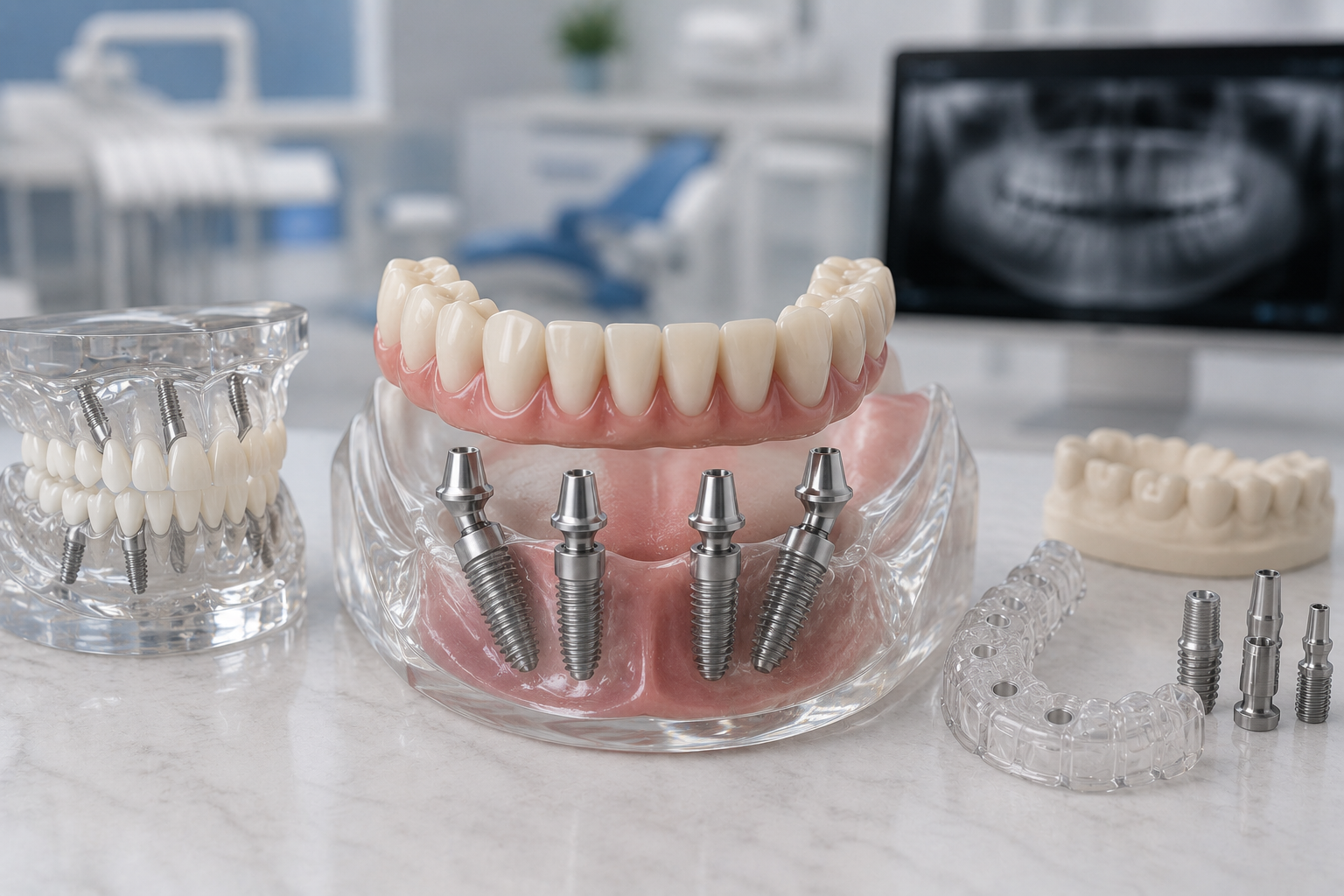
All-on-4 is a full-arch dental implant system designed to replace an entire upper or lower set of teeth using four strategically placed dental implants.
Instead of replacing each missing tooth individually, the dentist places four implants into specific areas of the jawbone to support a full fixed prosthetic arch.
The technique was designed to maximize available bone while reducing the need for:
- Extensive bone grafting
- Multiple implant surgeries
- Long treatment timelines
Typically:
- Two implants are placed vertically in the front
- Two implants are angled in the back for increased support
This angled placement helps utilize stronger areas of existing bone and often avoids important anatomical structures such as the sinus cavity or nerve canals.
The final result is a fixed prosthetic arch that looks and functions much more like natural teeth compared with removable dentures.
Why All-on-4 Became So Popular
Traditional dentures have long been associated with:
- Slipping
- Gum irritation
- Difficulty chewing
- Reduced confidence
- Bone loss
- Speech problems
Many denture wearers eventually become frustrated with the daily discomfort and instability.
All-on-4 became popular because it addressed many of these problems simultaneously.
Patients are attracted to the idea of:
- Fixed teeth
- Better chewing ability
- Improved appearance
- Increased confidence
- Fewer implants compared with full-mouth reconstruction
- Faster smile restoration
The emotional transformation can often be as significant as the clinical improvement.
Many patients who struggled with embarrassment, social anxiety, or eating difficulties describe All-on-4 treatment as life-changing.
The Biggest Advantages of All-on-4 Implants
One of the biggest reasons patients choose All-on-4 treatment is stability.
Unlike removable dentures, All-on-4 prosthetics are fixed securely onto implants. This allows patients to speak, chew, and smile with significantly greater confidence.
Chewing efficiency improves dramatically compared with traditional dentures. Many patients can once again eat foods they had avoided for years, including:
- Steak
- Apples
- Nuts
- Hard vegetables
Another major advantage is reduced bone loss.
When teeth are missing, the jawbone gradually shrinks over time because it no longer receives stimulation from tooth roots. Dental implants help preserve bone by transferring chewing forces into the jawbone, similar to natural teeth.
All-on-4 also often reduces the need for bone grafting. Because the posterior implants are angled strategically, many patients with moderate bone loss can still qualify without extensive grafting procedures.
Speed is another major advantage.
In many cases, patients can receive temporary fixed teeth on the same day as implant surgery. This “teeth in a day” concept has become one of the strongest marketing appeals of the procedure.
From an esthetic perspective, All-on-4 can dramatically improve:
- Facial support
- Smile appearance
- Lip profile
- Overall confidence
Patients who previously hid their smile often regain confidence socially and professionally.
The Real Disadvantages of All-on-4
Despite the benefits, All-on-4 is not perfect.
One of the biggest misconceptions is that it is a simple or minor procedure.
In reality, it is a complex full-mouth rehabilitation surgery that requires:
- Precise planning
- Surgical expertise
- Prosthetic accuracy
- Long-term maintenance
Complications can occur if treatment is poorly planned or performed by inexperienced providers.
One major concern is implant failure.
Although implant success rates are generally high, factors such as:
- Smoking
- Diabetes
- Poor oral hygiene
- Severe bone loss
- Bruxism
- Medical conditions
can increase failure risk.
Another limitation is that All-on-4 prosthetics are not identical to natural teeth. Even though they look highly realistic, patients still need time to adapt to:
- Speech changes
- Bite adjustments
- Cleaning routines
- Prosthetic feel
Maintenance is extremely important.
Some patients incorrectly assume implants are “permanent” and require no care. In reality, poor hygiene can lead to peri-implant disease, inflammation, and implant complications.
The prosthetic itself may also require maintenance or replacement over time depending on:
- Material quality
- Wear
- Bite forces
- Long-term use
Repair costs can sometimes become expensive.
Real Costs of All-on-4 in 2026
One of the biggest questions surrounding All-on-4 treatment is cost.
The reality is that pricing varies dramatically depending on:
- Country
- Clinic reputation
- Implant brand
- Prosthetic material
- Surgeon experience
- Technology used
- Bone grafting requirements
In the United States, All-on-4 treatment for one arch in 2026 commonly ranges between:
- $18,000 to $35,000+
For both arches, total costs may range from:
- $40,000 to $70,000+
High-end clinics using premium implant systems, zirconia prosthetics, advanced digital workflows, and sedation services may charge even more.
Lower-cost treatment centers sometimes advertise extremely low pricing, but patients should be cautious. Cheap pricing may involve:
- Lower-quality materials
- Limited diagnostics
- Reduced follow-up care
- Less experienced providers
The long-term quality of the treatment often matters more than the initial price alone.
Why Technology Is Changing All-on-4 Dentistry
Modern digital dentistry is dramatically improving All-on-4 workflows.
Today’s advanced clinics increasingly use:
- CBCT imaging
- Intraoral scanners
- AI diagnostics
- Digital smile design
- Guided implant surgery
- 3D printing
These technologies improve:
- Precision
- Predictability
- Surgical planning
- Prosthetic fit
- Patient communication
Systems such as 3Shape TRIOS and Medit i900 allow fully digital impressions without traditional materials.
CBCT platforms from companies like Carestream Dental and Vatech help surgeons visualize bone structures in 3D before surgery begins.
Guided surgery systems improve implant positioning accuracy and reduce surgical risks.
Digital dentistry is making All-on-4 treatment more predictable than ever before.
Who Is a Good Candidate for All-on-4?
All-on-4 may be ideal for patients who:
- Have multiple missing teeth
- Wear uncomfortable dentures
- Have failing teeth
- Want fixed full-mouth restoration
- Have moderate bone loss
- Seek improved function and confidence
However, not every patient qualifies immediately.
Certain conditions may require:
- Bone grafting
- Gum treatment
- Medical evaluation
- Smoking cessation
A full evaluation including CBCT imaging is usually necessary before determining candidacy.
The Emotional Impact of Smile Restoration
One of the most overlooked aspects of All-on-4 treatment is the emotional transformation.
Many patients entering treatment have experienced years of:
- Embarrassment
- Social anxiety
- Difficulty eating
- Low self-confidence
- Smile avoidance
For some people, restoring their smile changes:
- Relationships
- Social confidence
- Career opportunities
- Mental well-being
The psychological impact can be just as important as the physical restoration itself.
The Future of Full-Arch Implant Dentistry
The future of All-on-4 treatment is becoming increasingly digital and AI-assisted.
Future advancements may include:
- AI-driven treatment planning
- Robotic implant placement
- Fully digital workflows
- Improved biomaterials
- Faster healing technologies
- Regenerative bone enhancement
As digital dentistry evolves, full-mouth implant treatment may become:
- More precise
- More accessible
- Faster
- More predictable
Technology is steadily reducing complications while improving patient outcomes.
Final Thoughts
All-on-4 dental implants represent one of the most significant advancements in modern restorative dentistry.
For the right patient, the treatment can dramatically improve:
- Function
- Appearance
- Confidence
- Quality of life
But it is also a serious surgical and financial commitment that requires:
- Careful planning
- Skilled providers
- Long-term maintenance
- Realistic expectations
The best outcomes usually occur when advanced technology, experienced implant teams, and personalized treatment planning work together.
Because All-on-4 is not simply about replacing teeth.
For many patients, it is about restoring confidence, comfort, health, and the ability to smile again without fear.