
Insights That Shape Better Health
Oral health research has moved far beyond the traditional focus on cavities and gum disease. Today, it plays a crucial role in understanding how oral conditions influence overall health, quality of life, and long-term well-being. From systemic disease links to cutting-edge technologies, modern research is redefining the future of dentistry.
The Significance of Oral Health Research
Bridging Oral Health and Systemic Health
Growing scientific evidence highlights a strong connection between oral health and systemic diseases. Research shows that poor oral hygiene and untreated gum disease are linked to serious conditions such as heart disease, diabetes, and chronic inflammation. According to findings referenced by the American Dental Association, individuals with periodontal disease are nearly twice as likely to experience heart-related problems.
This connection exists because the mouth serves as a gateway to the body. Harmful oral bacteria can enter the bloodstream, triggering inflammation and contributing to broader health complications. Understanding this relationship emphasizes that maintaining good oral health is not just about aesthetics—it is a vital part of protecting overall health and preventing systemic illness.
Innovative Technologies and Modern Treatment Methods
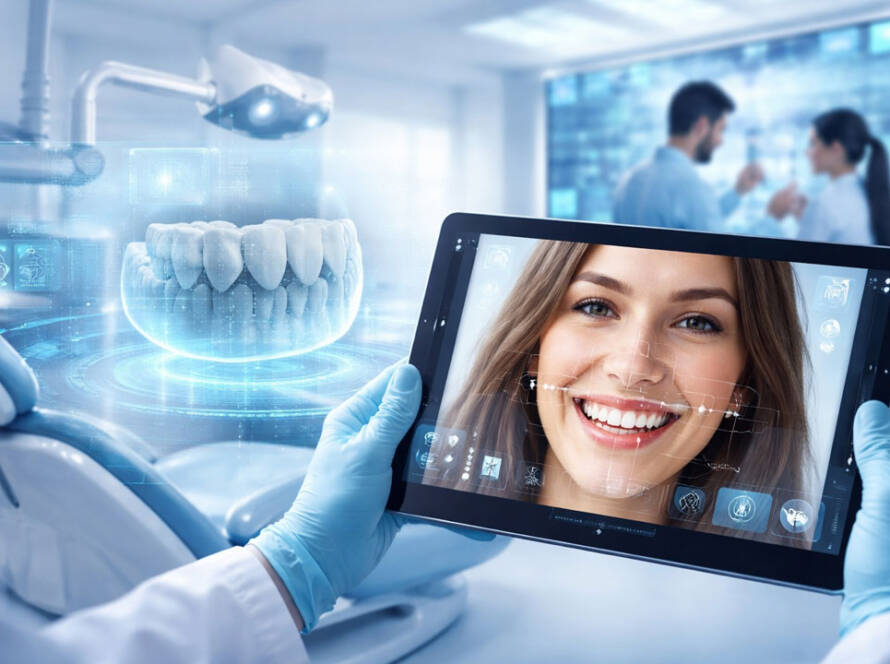
Oral health research is also driving remarkable technological advancements in dental care. One of the most transformative developments is teledentistry, which enables patients to access dental consultations remotely. Studies published in leading dental research journals indicate that teledentistry improves patient engagement, satisfaction, and access to care—especially for people in remote locations or those with mobility limitations.
In addition, technologies such as artificial intelligence (AI) and 3D printing are reshaping dental diagnostics and treatment delivery. AI-powered tools enhance diagnostic accuracy and early detection of oral diseases, while 3D printing allows for faster and more cost-effective production of dental implants, crowns, and orthodontic devices. Together, these innovations are making dental care more efficient, personalized, and patient-centered.
Key Oral Health Research Trends to Watch
Oral Microbiome Studies
Researchers are increasingly focusing on the oral microbiome—the diverse community of bacteria in the mouth. Studies aim to understand how bacterial balance affects oral and systemic health. These insights are paving the way for personalized oral care, including customized treatments and products tailored to an individual’s unique microbiome.
Genetic Research in Dentistry
Advances in genetic research are helping identify individuals who are genetically predisposed to oral diseases such as periodontal issues, enamel defects, or oral cancer. This allows for predictive and preventive dental care, enabling dentists to take early action and develop targeted treatment strategies based on a patient’s genetic profile.
Innovations in Preventive Care
Preventive dentistry is evolving rapidly. Researchers are exploring fluoride alternatives, advanced sealants, and long-lasting varnishes designed to prevent cavities more effectively. These innovations are particularly beneficial for children and high-risk patients, offering extended protection and reducing the need for invasive treatments.
Behavioral and Mental Health Integration
Emerging research highlights the connection between mental health and oral health. Stress, anxiety, and depression can negatively affect oral hygiene habits and increase the risk of dental problems. As a result, modern dental care is adopting more integrated approaches, combining oral treatment with patient education and behavioral health awareness.
Practical Takeaways for Your Oral Health Journey
- Stay informed: Keeping up with oral health research helps you make smarter decisions about your dental care.
- Maintain strong hygiene habits: Daily brushing, flossing, and regular dental visits remain essential.
- Embrace technology: Telehealth and digital dental tools can improve convenience and continuity of care.
- Think holistically: Oral health and overall health are deeply connected—addressing both leads to better long-term outcomes.
Common Questions Answered
Why is oral health research important?
Because it provides evidence-based insights that help prevent disease, improve treatment outcomes, and enhance overall well-being.
How can I apply this research to my daily routine?
By adopting modern oral-care practices, choosing products suited to your needs, and following preventive guidance from dental professionals.
Conclusion
The evolving landscape of oral health research has real-world implications for everyone. These advancements are not merely academic—they directly influence how we prevent disease, receive treatment, and maintain lifelong health. By understanding and applying these insights, you can take control of your oral health and ensure that your smile remains a lasting source of confidence and well-being.