
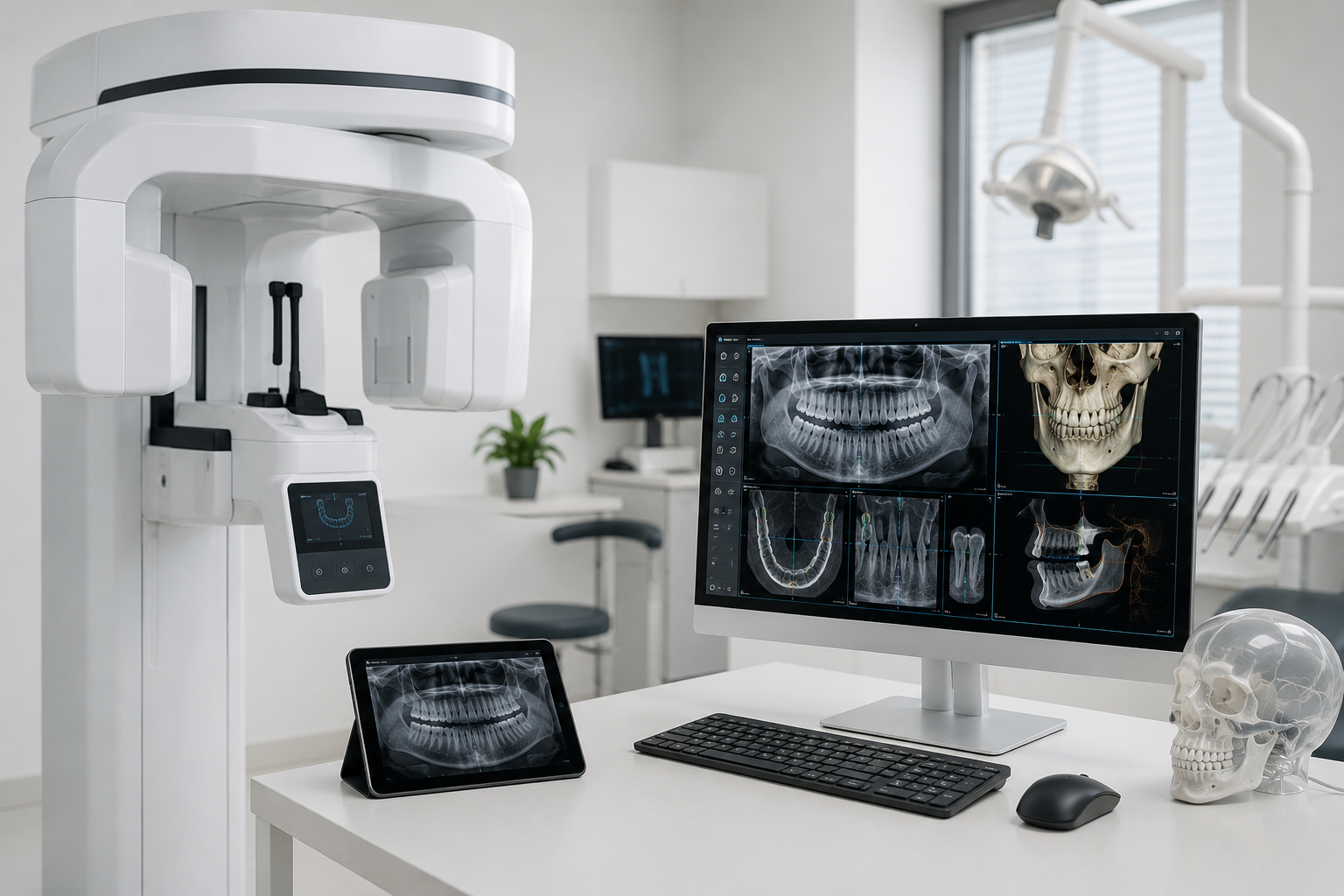
Cone Beam Computed Tomography (CBCT) has become one of the most important technologies in modern dentistry. In 2026, advanced dental clinics increasingly depend on CBCT systems for highly accurate 3D imaging, implant planning, orthodontics, airway analysis, endodontics, oral surgery, and facial-driven digital workflows.
Unlike traditional 2D radiographs, CBCT imaging provides detailed three-dimensional visualization of:
- Teeth
- Bone structures
- Nerves
- Sinuses
- TMJ
- Airways
- Facial anatomy
As digital dentistry rapidly evolves, CBCT systems are now integrating with:
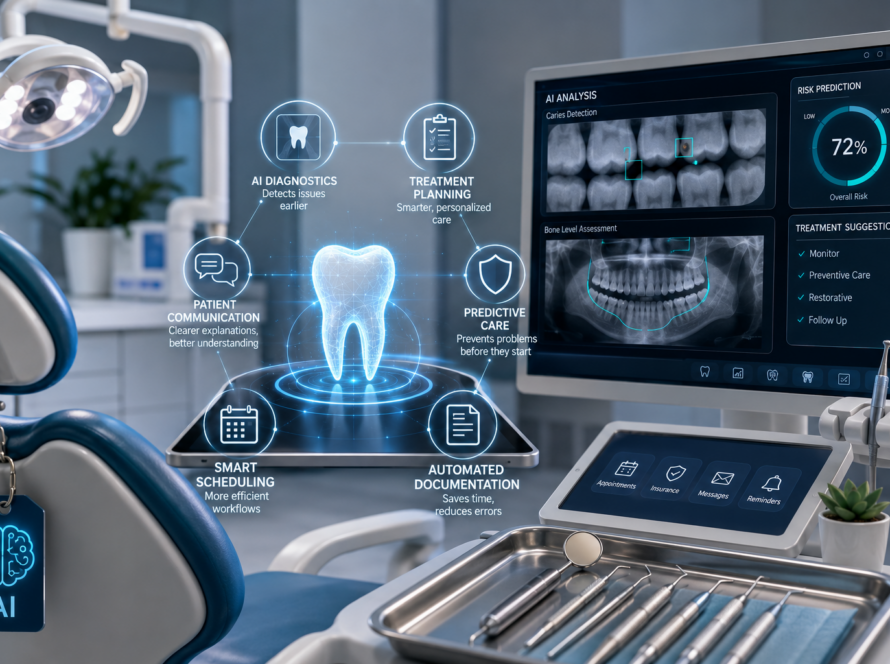
- AI diagnostics
- Intraoral scanners
- Facial scanners
- CAD/CAM systems
- Guided surgery workflows
- Cloud-based treatment planning
Modern dentists increasingly view CBCT technology not as a luxury, but as essential infrastructure for precision dentistry.
This guide explores the Top 10 Leading CBCT Imaging Systems in 2026, based on innovation, imaging quality, AI integration, digital workflow compatibility, clinical performance, and global reputation.
1. RAYSCAN Alpha Plus
RAYSCAN Alpha Plus Official Website
The RAYSCAN Alpha Plus from Ray Co., Ltd. has become one of the most advanced CBCT systems in modern digital dentistry.
The system combines:
- CBCT imaging
- Panoramic imaging
- Cephalometric imaging
- AI workflow integration
- Facial scanning compatibility
into a highly connected digital ecosystem.
Key Features
- Ultra-HD CBCT imaging
- AI-powered imaging workflow
- Large field-of-view options
- Facial scanner integration
- Implant planning compatibility
- Digital workflow ecosystem
Best For
- Implantology
- Orthodontics
- Oral surgery
- Full digital clinics
- Esthetic dentistry
Why It Stands Out
RAYSCAN systems are increasingly recognized for combining:
- AI
- Facial-driven workflows
- Advanced digital integration
within a unified platform.
2. Carestream CS 9600
Carestream Dental Official Website
The CS 9600 from Carestream Dental is widely considered one of the most premium CBCT systems available.
The platform offers:
- Ultra-high image quality
- Precision implant planning
- Dynamic field-of-view control
- AI-enhanced imaging assistance
Key Features
- 5-in-1 imaging system
- High-definition 3D imaging
- AI positioning support
- Advanced cephalometric options
- Integrated implant workflow
Best For
- High-end specialty clinics
- Implant centers
- Orthodontics
- Maxillofacial diagnostics
Why Dentists Love It
The CS 9600 is praised for:
- Exceptional imaging clarity
- Workflow flexibility
- Premium diagnostic performance
3. Vatech Green X
The Green X from Vatech remains one of the most popular CBCT systems globally because of its balance between:
- Image quality
- Price
- Versatility
- Workflow simplicity
Key Features
- Multi-field-of-view imaging
- AI-supported imaging functions
- Low-dose technology
- Fast scanning workflow
- High diagnostic accuracy
Best For
- General dentistry
- Implant planning
- Orthodontics
- Multi-specialty clinics
Why It’s Popular
Vatech is well-known for:
- User-friendly systems
- Strong value proposition
- Reliable imaging performance
4. Planmeca Viso G7
The Planmeca Viso G7 is one of the most technologically advanced imaging systems in dentistry today.
The system heavily emphasizes:
- AI positioning
- Patient comfort
- Motion correction
- Smart imaging workflows
Key Features
- Intelligent patient positioning
- AI motion correction
- Large-volume imaging
- Advanced software integration
- Ultra-low-dose protocols
Best For
- Orthodontics
- Implantology
- Full digital workflows
- Advanced imaging centers
Major Advantage
Its intelligent patient positioning technology improves both:
- Accuracy
- Workflow efficiency
5. Dentsply Sirona Axeos
Dentsply Sirona Official Website
The Axeos system from Dentsply Sirona focuses heavily on:
- Image sharpness
- Diagnostic precision
- Patient comfort
- Integrated digital workflows
Key Features
- High-resolution 3D imaging
- Orthophos integration
- Advanced implant workflow support
- Reduced radiation protocols
- Smart image enhancement
Best For
- Implant specialists
- Prosthodontics
- Restorative dentistry
- Surgical planning
Why It Matters
Axeos integrates extremely well with:
- CAD/CAM
- Guided surgery
- Same-day dentistry systems
6. Morita Veraview X800
The Veraview X800 is highly respected for:
- Endodontic imaging
- High-detail diagnostics
- Compact design
- Exceptional image sharpness
Key Features
- Ultra-fine imaging detail
- Low-dose protocols
- Multiple imaging modes
- Precision-focused diagnostics
Best For
- Endodontics
- Periodontics
- Detailed pathology analysis
- Precision diagnostics
Why Specialists Prefer It
Morita systems are widely known for:
- Outstanding image clarity
- Fine anatomical detail
especially in endodontic applications.
7. NewTom GO 3D
The NewTom GO 3D offers strong CBCT capabilities with a focus on:
- Patient safety
- Low-dose imaging
- Efficient workflows
Key Features
- Adaptive radiation exposure
- Compact system footprint
- Real-time imaging control
- Flexible field-of-view options
Best For
- General practices
- Implant planning
- Orthodontics
Why It’s Growing
Radiation reduction technology is becoming increasingly important in modern dental imaging.
8. PreXion 3D Explorer
The PreXion 3D Explorer is known for extremely high-resolution imaging focused on:
- Endodontics
- Implant diagnostics
- Fine anatomical evaluation
Key Features
- Ultra-high voxel resolution
- Precision-focused imaging
- Fast scan acquisition
- Advanced software support
Best For
- Endodontists
- Implant specialists
- Precision diagnostics
Major Strength
Exceptional fine-detail visualization.
9. Acteon X-MIND Prime 3D
The X-MIND Prime 3D from Acteon Group offers compact CBCT functionality with integrated digital workflow support.
Key Features
- Compact design
- Multi-functional imaging
- AI workflow support
- Efficient digital integration
Best For
- Mid-sized practices
- General dentists
- Growing digital clinics
Why It Matters
Smaller footprint systems are increasingly attractive for modern clinics with space limitations.
10. Hyperion X9 Pro
The Hyperion X9 Pro combines:
- CBCT
- Ceph imaging
- Panoramic imaging
- AI-enhanced software workflows
Key Features
- Modular imaging options
- High-speed scanning
- Smart workflow integration
- Flexible field-of-view
Best For
- Orthodontics
- Multi-specialty clinics
- Full digital workflows
Why It’s Trending
Its modular scalability appeals strongly to growing clinics.
Biggest CBCT Trends in 2026
The CBCT industry is evolving rapidly through several major trends.
AI Integration
Modern CBCT systems increasingly include:
- AI-assisted diagnostics
- Smart positioning
- Automated analysis
- Workflow optimization
Low-Dose Imaging
Radiation reduction is becoming a major industry focus.
Full Digital Ecosystems
CBCT systems now connect with:
- Intraoral scanners
- Facial scanners
- Surgical guides
- AI planning software
Guided Implant Surgery
CBCT has become central to:
- Implant planning
- Surgical precision
- Guided workflows
Why CBCT Is Becoming Essential
Modern dentistry increasingly depends on precision.
CBCT improves:
- Diagnostic confidence
- Surgical safety
- Implant accuracy
- Orthodontic planning
- Airway evaluation
- Patient communication
Many clinicians now consider CBCT a core part of advanced treatment planning rather than optional imaging technology.
What Dentists Should Consider Before Buying
Choosing a CBCT system depends on:
- Clinical focus
- Specialty requirements
- Budget
- Software ecosystem
- AI integration
- Workflow compatibility
- Radiation protocols
An implant center may prioritize:
- Large field-of-view imaging
while an endodontic clinic may prioritize: Fine voxel resolution
Final Thoughts
CBCT imaging systems are becoming one of the most important investments in modern dentistry.
The best systems in 2026 combine:
- High-resolution imaging
- AI intelligence
- Workflow integration
- Radiation safety
- Cloud connectivity
- Digital ecosystem compatibility
As dentistry moves toward:
- AI-powered workflows
- Guided surgery
- Facial-driven planning
- Fully digital ecosystems
CBCT technology will continue playing a central role in the future of precision dental care.
Because modern dentistry is no longer two-dimensional.
It is fully digital, three-dimensional, intelligent, and data-driven.