

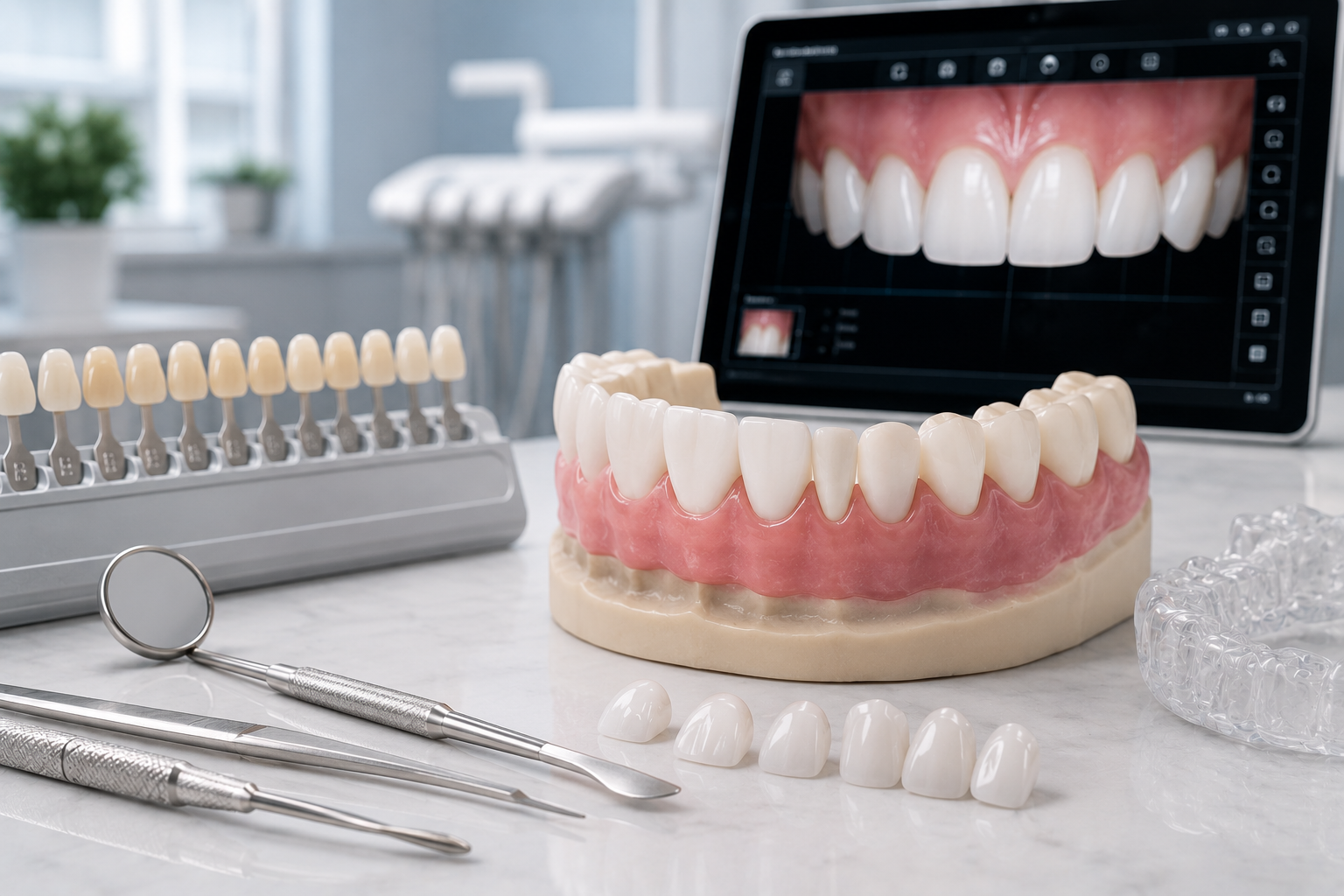
A confident smile has become one of the most valuable aspects of personal appearance in modern society. In 2026, more people than ever are investing in cosmetic dentistry to improve their teeth, boost confidence, and create a more attractive smile. Among all cosmetic dental treatments, dental veneers remain one of the most popular and transformative solutions available today.
From celebrities and influencers to working professionals and everyday patients, veneers have become a global smile enhancement trend because they can dramatically improve:
- Tooth color
- Shape
- Alignment
- Symmetry
- Smile aesthetics
within a relatively short period of time.
Modern veneers are no longer only for Hollywood smile makeovers. Thanks to advances in digital dentistry, smile design technology, and improved materials, veneers are now more natural-looking, stronger, and more customized than ever before.
According to cosmetic dentistry trends analyzed by DenTrends.com, veneers continue growing rapidly because patients increasingly prioritize:
- Smile aesthetics
- Facial appearance
- Confidence
- Social image
- Digital-age presentation
But despite their popularity, many patients still do not fully understand:
- What veneers actually are
- How the procedure works
- The real costs involved
- The advantages and limitations
- Which type of veneer is best
Understanding these factors is extremely important before making a long-term cosmetic decision.
What Are Dental Veneers?
Dental veneers are thin custom-made shells bonded to the front surface of teeth to improve their appearance.
They are designed to enhance:
- Color
- Shape
- Size
- Symmetry
- Alignment
while creating a more attractive and balanced smile.
Veneers are commonly made from:
- Porcelain
- Composite resin
Porcelain veneers remain the premium option because they provide:
- Better durability
- More natural translucency
- Strong stain resistance
- Longer lifespan
Composite veneers are more affordable and faster to place, but they may not last as long and can stain more easily over time.
Modern veneers are highly customized to match:
- Facial structure
- Lip dynamics
- Skin tone
- Smile proportions
- Bite alignment
The goal is not simply to create white teeth —
but to design a smile that looks natural and harmonious with the patient’s face.
Why People Choose Veneers
The popularity of veneers has increased dramatically because they can correct multiple cosmetic concerns simultaneously.
Patients often choose veneers to improve:
- Discolored teeth
- Chipped teeth
- Worn enamel
- Small gaps
- Slightly crooked teeth
- Uneven tooth shapes
- Smile asymmetry
Many people seek veneers after years of feeling insecure about their smile. Social media, professional appearance standards, video communication, and photography culture have also increased awareness about cosmetic smile aesthetics.
For many patients, veneers are not simply about vanity.
They are about:
- Confidence
- Self-esteem
- Professional appearance
- Social comfort
A smile can strongly influence how people feel about themselves and how they interact socially.
The Different Types of Veneers
In modern cosmetic dentistry, the two most common veneer options are porcelain veneers and composite veneers.
Porcelain Veneers
Porcelain veneers are considered the gold standard in cosmetic smile makeovers.
They are fabricated in dental laboratories using advanced ceramic materials designed to closely mimic natural enamel.
Porcelain veneers offer several major advantages:
- Exceptional esthetics
- Strong durability
- Long-term stain resistance
- Highly natural appearance
Modern porcelain systems can replicate the translucency and light reflection of natural teeth extremely well.
Porcelain veneers often last:
- 10 to 15 years or longer
with proper maintenance.
However, they are generally more expensive and often require removing a small amount of natural enamel.
Composite Veneers
Composite veneers are made from tooth-colored resin material applied directly to the teeth.
They are usually:
- Faster to complete
- Less expensive
- Easier to repair
Composite veneers often require fewer appointments because they can frequently be sculpted directly by the dentist during the visit.
However, compared with porcelain, composite veneers are generally:
- Less stain resistant
- Less durable
- More prone to wear
They typically last:
- 4 to 8 years
depending on maintenance and oral habits.
The Veneer Procedure Step by Step
One reason veneers remain so popular is because the treatment process is relatively straightforward compared with many other cosmetic procedures.
The process usually begins with a consultation and smile evaluation.
During this stage, the dentist examines:
- Teeth
- Bite relationship
- Gum health
- Facial proportions
- Smile line
Digital photography, intraoral scanning, and smile simulations are increasingly used in modern clinics to help patients visualize potential results.
Advanced clinics now use systems such as:
to create highly accurate digital smile designs.
For traditional porcelain veneers, a small amount of enamel is usually removed from the front surface of the teeth. This creates space for the veneers to fit naturally without appearing bulky.
After preparation, impressions or digital scans are taken and sent to a dental laboratory where the veneers are fabricated.
Temporary veneers may be placed while the final restorations are being created.
During the bonding appointment, the veneers are carefully checked for:
- Fit
- Color
- Shape
- Smile harmony
The teeth are then cleaned, etched, and bonded using specialized dental cement.
Once completed, the smile transformation can often appear dramatic.
One of the most common patient questions is lifespan.
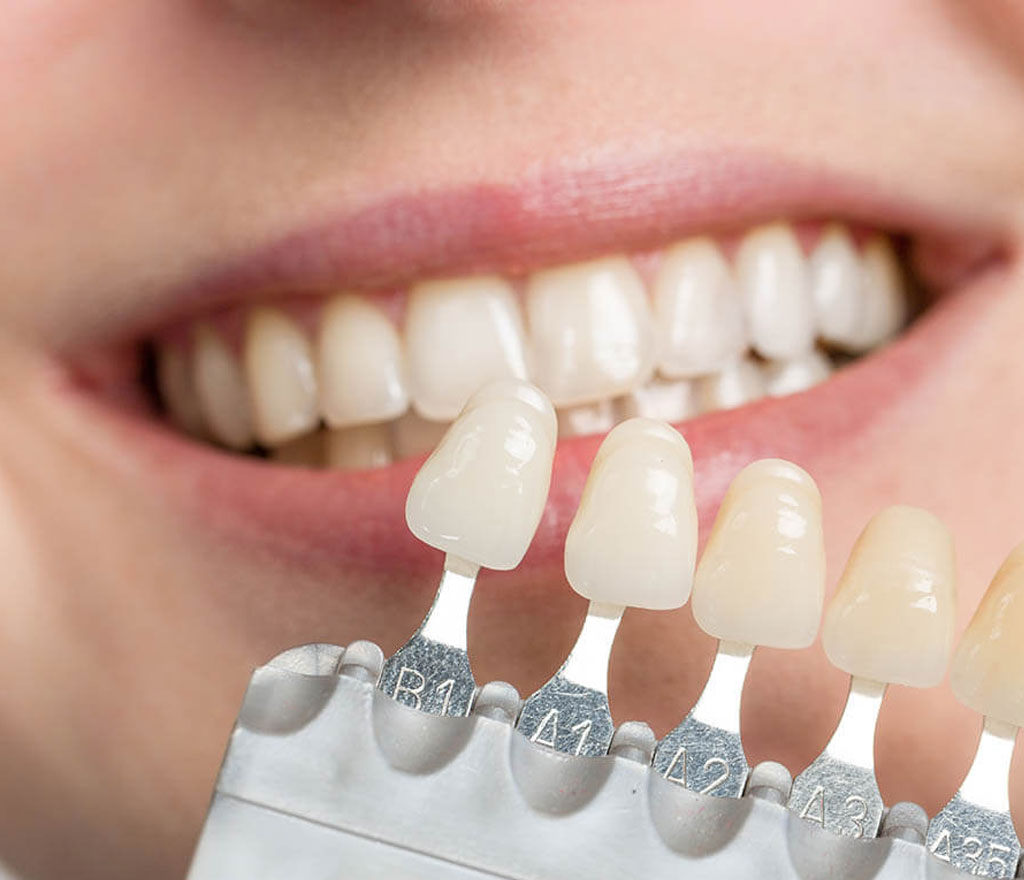
How Long Do Veneers Last?
Porcelain veneers can often last:
- 10 to 15 years
- Sometimes even longer
when properly maintained.
Composite veneers generally have a shorter lifespan and may require replacement sooner.
Longevity depends heavily on factors such as:
- Oral hygiene
- Teeth grinding
- Bite forces
- Diet
- Smoking habits
- Regular dental maintenance
Patients who grind their teeth heavily may require night guards to protect veneers from excessive pressure.
The Real Cost of Veneers in 2026
Veneers are considered cosmetic procedures in most situations, meaning insurance coverage is often limited.
In the United States, porcelain veneers in 2026 commonly range between:
- $1,000 to $3,500+ per tooth
depending on:
- Dentist expertise
- Material quality
- Clinic reputation
- Digital technology used
- Geographic location
A full smile makeover involving multiple veneers may cost:
- $10,000 to $40,000+
Composite veneers are generally less expensive and may range between:
- $300 to $1,500 per tooth
According to cosmetic dentistry coverage from DenTrends.com, patients increasingly view veneers as a long-term confidence investment rather than simply a cosmetic expense.
Risks and Downsides Patients Should Understand
Although veneers can produce beautiful results, they are not perfect.
One of the most important realities is that traditional porcelain veneers usually require irreversible enamel removal.
Once enamel is removed, the tooth will likely always require some form of restoration in the future.
Potential risks include:
- Tooth sensitivity
- Chipping
- Veneer debonding
- Gum irritation
- Bite complications
- Color mismatch over time
Veneers are also not a substitute for healthy teeth and gums.
Patients with:
- Active gum disease
- Severe decay
- Poor oral hygiene
- Untreated bite problems
may not be ideal candidates until underlying issues are corrected.
Digital Dentistry Is Changing Veneers
Modern veneer treatment has become increasingly digital.
Today’s cosmetic clinics often combine:
- Intraoral scanning
- AI smile analysis
- Facial scanning
- Digital smile design
- CAD/CAM workflows
to improve precision and patient communication.
Digital smile simulations allow patients to preview possible outcomes before treatment even begins.
This technology improves:
- Treatment planning
- Smile customization
- Esthetic predictability
The future of veneers is becoming increasingly connected to:
- AI-assisted smile design
- Facial-driven esthetics
- Fully digital cosmetic workflows
Are Veneers Worth It?
For many patients, veneers can be life-changing.
They often improve:
- Confidence
- Smile aesthetics
- Social comfort
- Professional appearance
- Self-image
However, veneers are also:
- Expensive
- Long-term commitments
- Maintenance-dependent
- Partially irreversible in many cases
The best outcomes usually occur when treatment is performed conservatively by experienced cosmetic dentists who prioritize natural esthetics rather than overly artificial “fake smiles.”
A beautiful veneer case should look:
Natural, balanced, and harmonious —
not obviously cosmetic.y.
Final Thoughts
Dental veneers remain one of the most powerful cosmetic treatments in modern dentistry because they can dramatically transform a smile within a relatively short time.
Modern digital technology has made veneers:
- More natural-looking
- More precise
- More customized
- More predictable
At the same time, patients should fully understand both the advantages and limitations before committing to treatment.
According to cosmetic dentistry trends covered by DenTrends.com, the future of veneers will likely become increasingly connected with:
- AI smile design
- Facial scanning
- Digital esthetics
- Minimally invasive cosmetic dentistry
Because modern cosmetic dentistry is no longer simply about creating white teeth.
It is about designing smiles that enhance confidence, personality, facial harmony, and overall quality of life.