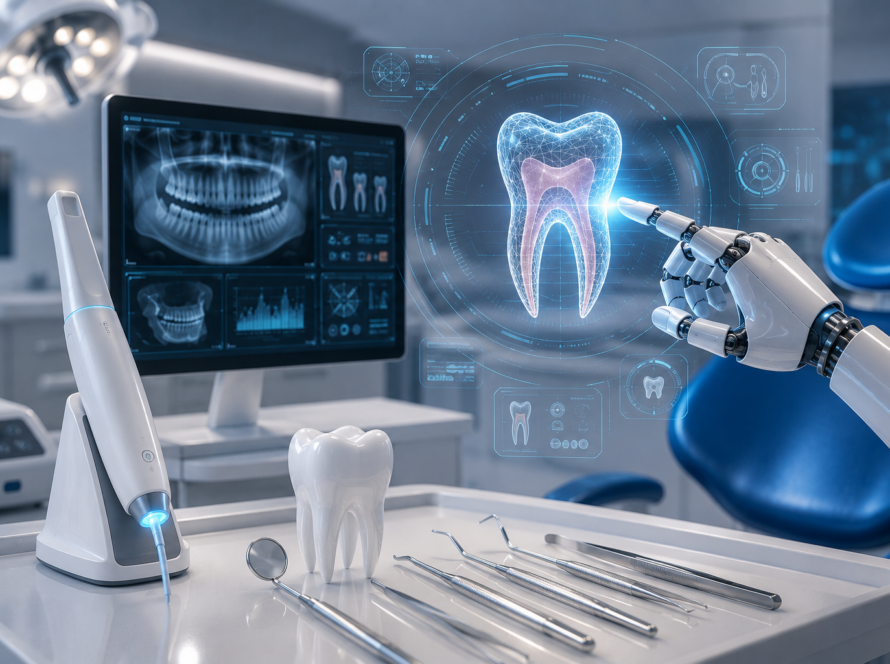


Dentistry is advancing faster than ever before. Artificial intelligence, digital workflows, 3D printing, intraoral scanners, and cloud-based practice management systems are transforming patient care. Yet behind these technological advancements, dentists continue to face significant clinical, operational, financial, and workforce challenges.
In 2026, success in dentistry requires much more than excellent clinical skills. Dentists must navigate staffing shortages, rising operating costs, changing patient expectations, cybersecurity risks, regulatory compliance, and rapid technological change.
According to industry trends analyzed by DenTrends, the most successful dental practices are those that identify these challenges early and adopt innovative, technology-driven solutions.
1. Staff Shortages & Employee Retention
One of the biggest challenges facing dental practices worldwide is finding and retaining qualified staff.
Many clinics struggle to recruit:
- Associate dentists
- Dental hygienists
- Dental assistants
- Front office coordinators
- Practice managers
Increasing competition and workforce shortages have driven up salaries while making experienced professionals more difficult to hire.
Successful practices are investing in employee development, flexible schedules, positive workplace culture, and career advancement opportunities.
2. Rising Operating Costs
Running a modern dental practice has become increasingly expensive.
Major cost increases include:
- Dental materials
- Equipment
- Laboratory fees
- Staff salaries
- Rent
- Utilities
- Insurance
- Software subscriptions
Practices are now focusing on operational efficiency, automation, and digital workflows to control overhead without compromising patient care.
3. Keeping Up with New Technology
Technology evolves rapidly.
Dentists must continually evaluate whether to invest in:
- AI diagnostics
- CBCT systems
- Intraoral scanners
- Digital Smile Design
- CAD/CAM
- 3D printers
- Laser dentistry
- Cloud software
Balancing innovation with return on investment is becoming increasingly challenging, especially for smaller practices.
4. Attracting New Patients
Patient acquisition has become more competitive than ever.
Simply opening a clinic is no longer enough.
Successful practices invest in:
- Google Business Profile optimization
- Local SEO
- Educational content
- Social media
- Online reviews
- Website optimization
- Community engagement
Patients increasingly choose dentists based on online reputation before making their first appointment.
5. Patient Expectations Are Higher
Today’s patients expect more than quality treatment.
They also want:
- Digital convenience
- Online booking
- Transparent pricing
- Short waiting times
- Personalized care
- Comfortable environments
- Digital treatment simulations
Meeting these expectations requires investment in both technology and customer experience.
6. Administrative Work & Documentation
Dentists spend a significant amount of time on non-clinical tasks.
These include:
- Clinical notes
- Insurance documentation
- Treatment planning
- Consent forms
- Billing
- Appointment management
AI-powered voice charting and practice management software are helping reduce administrative burden and allowing dentists to spend more time with patients.
7. Cybersecurity & Data Protection
As dental practices become more digital, cybersecurity has become a major concern.
Patient records now include:
- Digital radiographs
- CBCT scans
- Clinical photographs
- Medical histories
- Financial information
Protecting this sensitive data requires secure cloud platforms, regular backups, staff training, and compliance with healthcare privacy regulations.
8. Managing Complex Cases
Modern patients often present with increasingly complex treatment needs.
Examples include:
- Full-mouth rehabilitation
- Implant-supported restorations
- Severe wear
- Periodontal disease
- Multidisciplinary treatment
Managing these cases requires collaboration among specialists and careful digital treatment planning.
Technologies such as AI diagnostics, CBCT imaging, and Digital Smile Design are helping improve predictability.
9. Staying Current Through Continuing Education
Dentistry changes rapidly.
New materials, techniques, regulations, and technologies require continuous learning.
Dentists must regularly update their knowledge in areas such as:
- Digital dentistry
- Implantology
- Cosmetic dentistry
- AI applications
- Infection control
- Regulatory compliance
Lifelong learning has become essential rather than optional.
10. Preventing Professional Burnout
Dentistry remains one of the most physically and mentally demanding healthcare professions.
Common causes of burnout include:
- Long clinical hours
- Administrative pressure
- Financial responsibilities
- Staff management
- Patient anxiety
- Constant concentration
- Musculoskeletal strain
Successful dentists increasingly prioritize:
- Ergonomics
- Team delegation
- Digital automation
- Work-life balance
- Mental well-being
- Continuing professional support
A healthy dentist is better equipped to deliver exceptional patient care.
How Technology Is Helping Solve These Problems
Modern dentistry is increasingly supported by technologies that improve efficiency and patient outcomes.
Examples include:
- AI-powered diagnostics for faster decision-making
- Cloud-based practice management systems
- Digital Smile Design for predictable treatment planning
- Intraoral scanners that eliminate conventional impressions
- Automated appointment reminders
- AI voice charting for clinical documentation
- Digital patient education tools
- Remote monitoring platforms
Technology is not replacing dentists—it is helping them work smarter.
The Future of Dental Practice Management
The most successful practices in the coming years will combine:
- Clinical excellence
- Digital transformation
- Business intelligence
- Patient-centered care
- Continuous education
- Strong leadership
- Collaborative teamwork
Dentistry is becoming increasingly interdisciplinary, requiring clinicians to think beyond the dental chair.gitally before traveling, reducing uncertainty and improving treatment planning. the combination of technology and professional expertise
DenTrends Thoughts
The challenges facing dentists in 2026 are more complex than ever, but so are the opportunities. Workforce shortages, rising costs, patient expectations, and rapid technological change require practices to adapt quickly and strategically.
Those who embrace innovation, invest in their teams, adopt digital workflows, and prioritize preventive, patient-centered care will be well positioned for long-term success.
The future of dentistry belongs to practices that combine outstanding clinical skills with smart technology, strong leadership, and a commitment to continuous improvement.
References
- American Dental Association (ADA) – Practice Resources
https://www.ada.org - FDI World Dental Federation – Global Oral Health Reports
https://www.fdiworlddental.org - American Association of Dental Office Management (AADOM)
https://www.dentalmanagers.com - Dental Economics
https://www.dentaleconomics.com - Journal of the American Dental Association (JADA)
https://jada.ada.org - World Health Organization – Oral Health
https://www.who.int/news-room/fact-sheets/detail/oral-health