
One of the most exciting developments in modern implant dentistry is the rise of Same-Day Dental Implants, often marketed as “Teeth in a Day” or “Immediate Load Implants.”
For decades, dental implant treatment was a lengthy process that required multiple surgeries and several months of healing before patients could receive their final teeth. Today, advances in digital dentistry, implant technology, guided surgery, and AI-powered treatment planning have made it possible for many patients to leave the dental office with a functional smile on the very same day their implants are placed.
This innovation has transformed the patient experience and helped millions of people avoid months of living with missing teeth or removable temporary dentures.
However, despite the growing popularity of same-day implant procedures, many patients still misunderstand what the treatment actually involves and whether it is suitable for everyone. According to implant dentistry trends analyzed by DenTrends.com, same-day implant treatment is one of the fastest-growing areas of restorative dentistry, but success depends heavily on proper patient selection, digital planning, and clinical expertise.
What Are Same-Day Dental Implants?
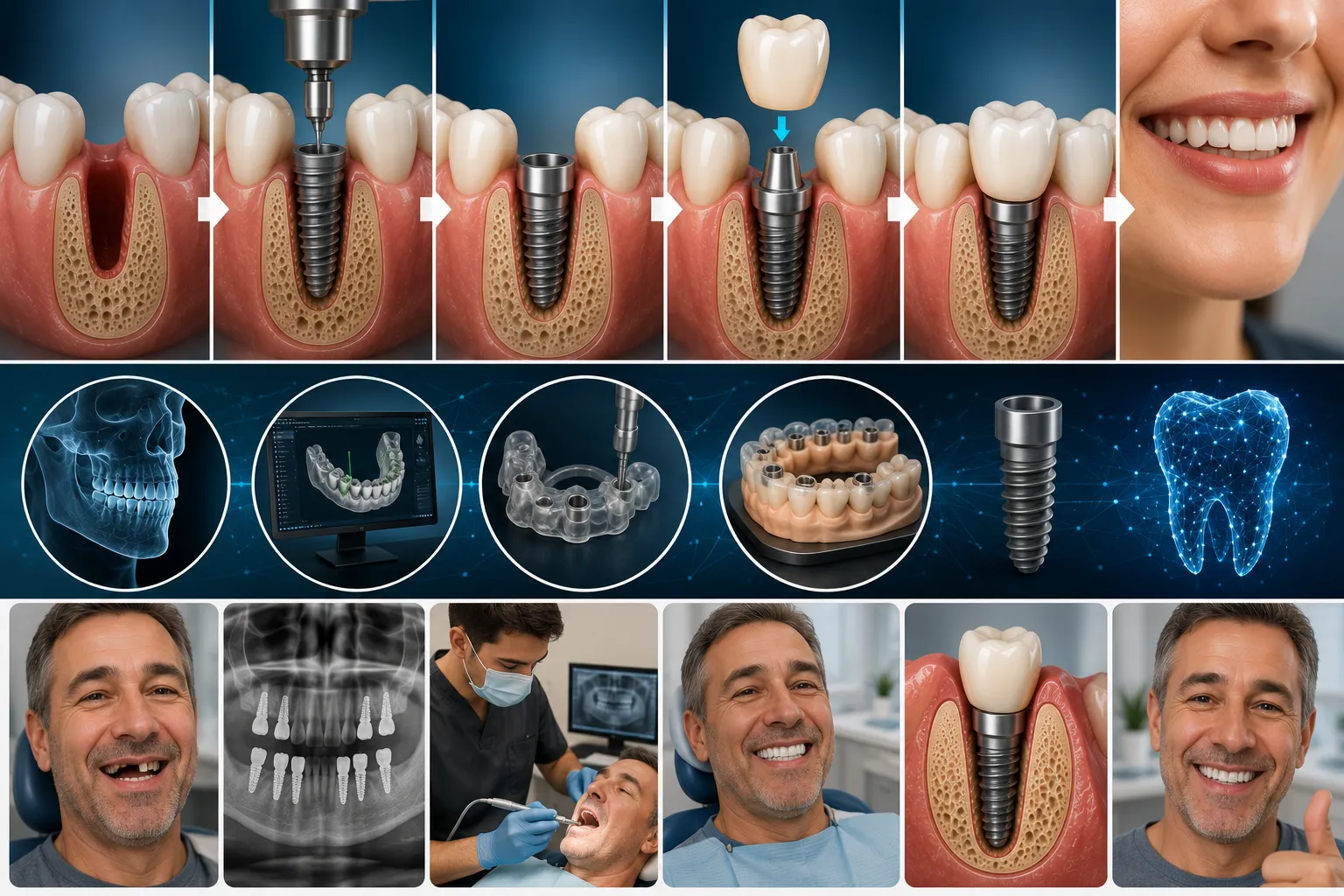
Same-day dental implants are a treatment approach where dental implants are placed and a temporary restoration is attached during the same appointment or within 24 hours.
Traditionally, implant treatment followed a delayed protocol:
- Tooth extraction
- Healing period
- Implant placement
- Additional healing period
- Final crown placement
This process often required three to six months or longer.
Same-day implants significantly reduce this timeline.
Instead of waiting months without teeth, patients may receive:
- Temporary crowns
- Temporary bridges
- Temporary full-arch prosthetics
immediately after implant placement. The implant itself still requires time to fully integrate with the jawbone, but patients can often enjoy an improved appearance and basic function during the healing phase.
How Same-Day Implants Work
The success of same-day implant treatment depends on achieving what dentists call primary stability.
Primary stability refers to the mechanical stability of the implant immediately after placement.
When sufficient bone quality and implant stability are present, the dentist may attach a temporary restoration immediately.
Over the following months, the implant undergoes osseointegration, a biological process where bone grows around the implant surface and secures it permanently.
Once healing is complete, the temporary restoration is replaced with a final prosthetic restoration.
Modern implant systems from manufacturers such as:
have helped make immediate loading more predictable than ever before.
Why Same-Day Implants Are Becoming So Popular
Patients increasingly prefer treatments that minimize disruption to their daily lives.
One of the biggest advantages of same-day implants is psychological.
Many people hesitate to replace missing teeth because they fear:
- Long treatment times
- Multiple surgeries
- Wearing temporary dentures
- Extended recovery periods
Same-day implant treatment addresses many of these concerns by allowing patients to leave the clinic with teeth immediately after surgery.
The treatment is especially appealing for:
- Professionals
- Public-facing workers
- Patients with failing dentition
- Individuals seeking full-mouth rehabilitation
For many patients, avoiding months without teeth can significantly improve confidence and quality of life.
Same-Day Implants vs Traditional Implant Treatment
The main difference between same-day and traditional implant treatment is timing.
Traditional implant treatment prioritizes healing before loading the implant with chewing forces.
Same-day treatment introduces a temporary restoration much earlier.
This creates obvious benefits, but it also requires careful planning.
Traditional protocols remain valuable because they often reduce mechanical stress during healing.
Same-day implants can achieve excellent results, but only when specific clinical criteria are met.
The key is not speed alone. The goal is achieving predictable long-term success.
Who Is a Good Candidate for Same-Day Implants?
Not every patient qualifies for same-day implant treatment.
Ideal candidates typically have:
- Good overall health
- Adequate bone density
- Healthy gums
- Strong oral hygiene habits
- No uncontrolled systemic diseases
Patients with severe bone loss, active infections, or uncontrolled medical conditions may require more conventional treatment approaches.
Smoking can also increase complications and reduce implant success rates.
Before recommending same-day implants, experienced implant clinicians evaluate:
- Bone volume
- Bone quality
- Bite forces
- Medical history
- Healing capacity
through comprehensive diagnostics.
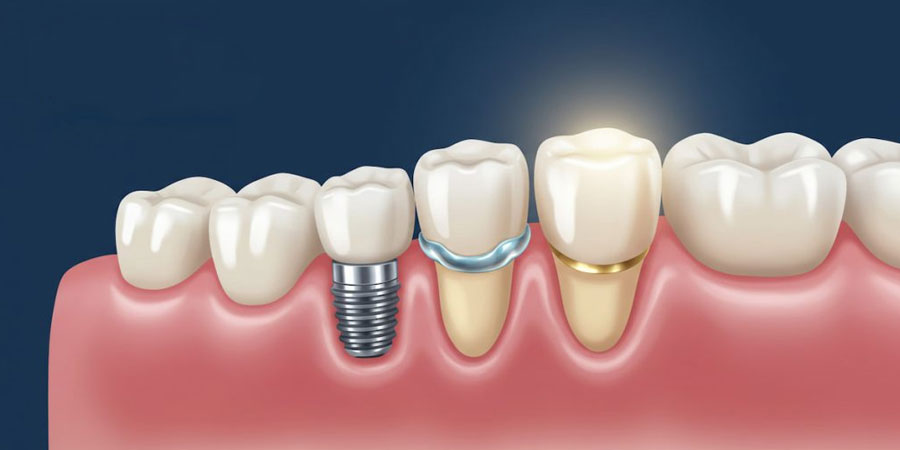
The Role of Digital Dentistry
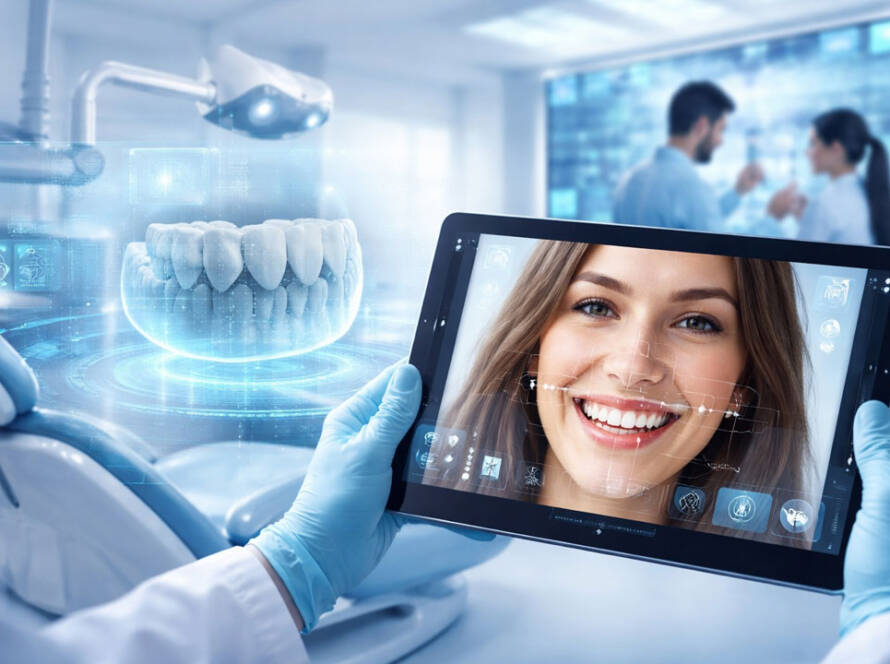
Modern same-day implant dentistry would not be possible without digital technology.
Today’s advanced implant clinics use:
- CBCT imaging
- Intraoral scanners
- AI-assisted diagnostics
- Guided surgery
- CAD/CAM restorations
- 3D printing
to plan and execute treatment with extraordinary precision.
CBCT systems from:
allow clinicians to analyze bone structures in three dimensions before surgery begins.
Intraoral scanners such as:
provide highly accurate digital impressions without traditional materials.
AI-powered platforms like:
are increasingly assisting dentists in evaluating anatomy and treatment options.
These technologies significantly improve:
- Accuracy
- Efficiency
- Safety
- Predictability
which are critical for immediate loading protocols.
Are Same-Day Implants Safe?
When performed by experienced clinicians using proper diagnostics and planning, same-day implant treatment can be highly successful.
Numerous studies have demonstrated excellent long-term outcomes when:
- Patient selection is appropriate
- Primary stability is achieved
- Occlusal forces are carefully managed
However, same-day implants are not risk-free.
Potential complications include:
- Implant failure
- Overloading during healing
- Infection
- Prosthetic fractures
- Soft tissue complications
One reason some failures occur is because patients mistakenly believe temporary teeth function exactly like permanent restorations. During healing, patients are usually advised to follow modified dietary guidelines and avoid excessive forces on the implants.
Full-Arch Same-Day Implants and All-on-4
One of the most common applications of same-day implant treatment is full-arch rehabilitation.
Procedures such as All-on-4 allow patients with multiple failing teeth or complete tooth loss to receive:
- Implant placement
- Temporary fixed teeth
- Immediate smile restoration
often during a single surgical appointment.
This approach has become increasingly popular because it dramatically shortens treatment time while restoring function and confidence. However, full-mouth rehabilitation remains a major surgical procedure that requires careful planning and experienced providers.
How Much Do Same-Day Implants Cost?
Same-day implant treatment is often more expensive than traditional approaches because it involves:
- Advanced diagnostics
- Digital workflows
- Surgical guides
- Immediate restorations
- Additional laboratory procedures
In the United States, single same-day implant procedures commonly range between:
$3,500 to $7,000+ per tooth
Full-arch same-day implant solutions such as All-on-4 may range between:
$20,000 to $50,000+ per arch
Actual costs vary depending on:
- Location
- Implant system
- Technology used
- Surgical complexity
- Provider expertise
The Future of Same-Day Implant Dentistry
The future of same-day implant treatment is becoming increasingly connected with:
- Artificial Intelligence
- Robotics
- Digital treatment planning
- Regenerative medicine
- Personalized implant workflows
Researchers continue exploring technologies that may further improve:
- Healing speed
- Implant stability
- Bone regeneration
- Treatment predictability
As AI becomes more integrated into dentistry, future implant planning may become even more precise and personalized. According to technology trends tracked by DenTrends.com, immediate implant workflows are expected to become increasingly common as digital dentistry continues evolving.
DenTrends Thoughts
Same-day dental implants represent one of the most significant advancements in modern implantology.
For the right patient, they can dramatically reduce treatment time while restoring appearance, function, and confidence almost immediately.
However, same-day treatment is not simply about speed.
Successful outcomes depend on:
- Careful diagnosis
- Advanced technology
- Clinical expertise
- Appropriate patient selection
- Long-term maintenance
Modern digital dentistry has made same-day implants more predictable than ever before, but the best results still come from balancing innovation with sound clinical judgment.
Because successful implant dentistry is not measured by how quickly teeth can be placed. It is measured by how well those teeth continue functioning years and decades later.