
Modern dentistry is no longer limited to teeth alone.
In 2026, advanced dental clinics are rapidly moving toward facial-driven treatment planning, where the patient’s full facial structure, symmetry, smile dynamics, jaw relationship, and esthetic proportions are analyzed digitally before treatment even begins.
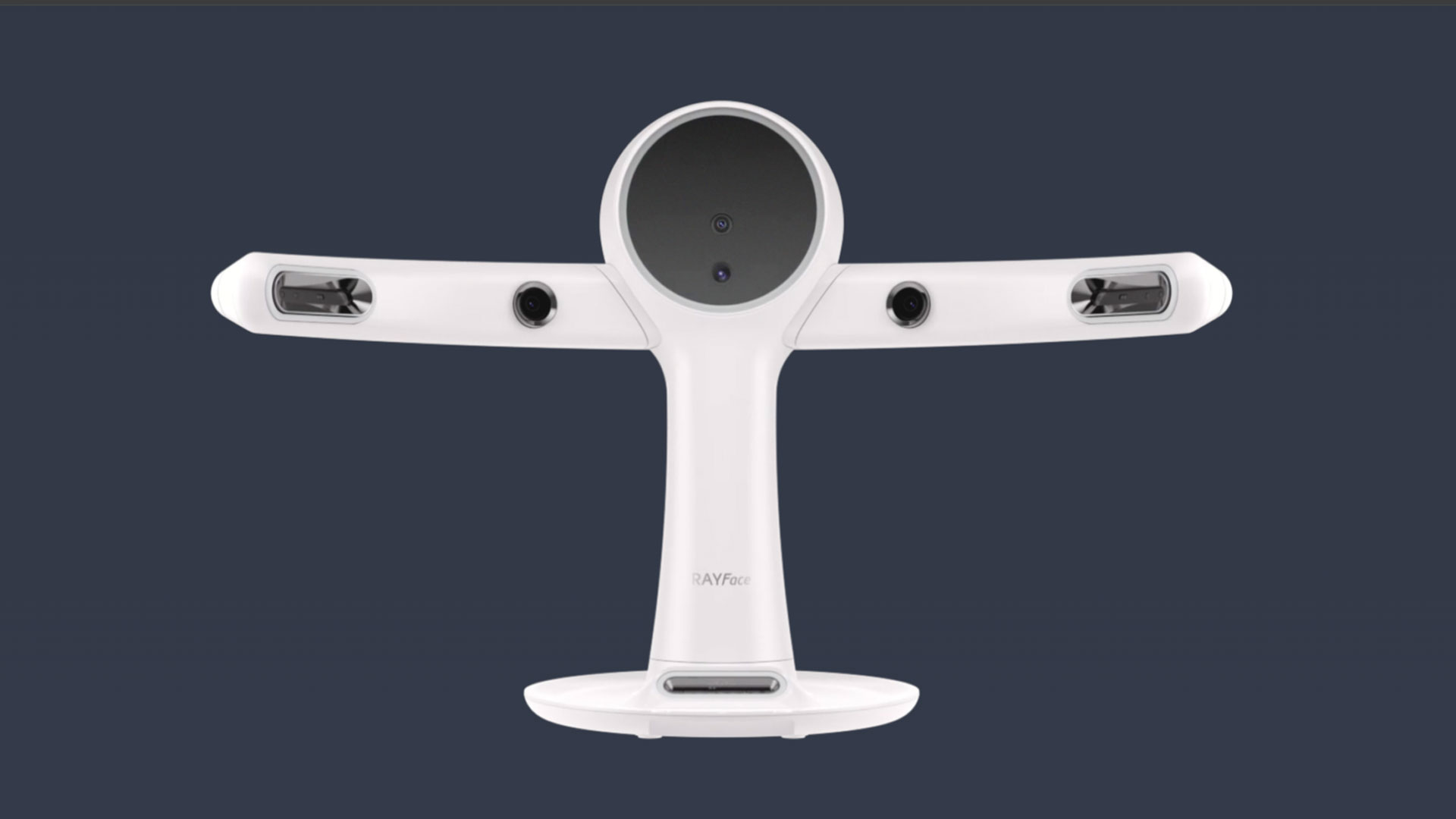
At the center of this transformation is facial scanning technology — and one of the most talked-about systems in modern digital dentistry is the RAYSCAN Facial Scanner from Ray Co., Ltd.
The RAYSCAN Facial Scanner is designed to bridge the gap between facial esthetics and dental treatment planning by capturing highly detailed 3D facial data in seconds. It enables dentists, orthodontists, prosthodontists, implant specialists, and cosmetic clinicians to create more personalized, predictable, and visually harmonious treatment outcomes.
As digital dentistry continues evolving, facial scanners are becoming essential tools for clinics focused on:
- Smile design
- Full-mouth rehabilitation
- Orthodontics
- Implant planning
- Cosmetic dentistry
- Digital workflows
- Patient communication
This article explores how the RAYSCAN Facial Scanner works, its core features, real-world applications, advantages, limitations, and why it is becoming one of the most exciting technologies in modern dental practice.
What Is the RAYSCAN Facial Scanner?
The RAYSCAN Facial Scanner is an advanced 3D facial imaging system developed for dental and medical applications. It captures high-resolution facial data using multiple synchronized cameras and scanning technology to create accurate three-dimensional facial models.
Unlike traditional photography, facial scanning provides:
- Depth information
- Dynamic facial proportions
- Real-time symmetry analysis
- Spatial measurements
- Digital facial mapping
This allows clinicians to evaluate how dental treatment affects the patient’s overall facial appearance — not just individual teeth.
The system integrates with digital dentistry workflows, making it especially valuable for:
- Smile design
- Orthodontic planning
- Prosthetic rehabilitation
- Implant esthetics
- Surgical simulation
In modern esthetic dentistry, facial harmony is becoming just as important as dental alignment.
Why Facial Scanning Is Becoming Important in Dentistry
Traditional dental treatment planning mainly focused on:
- Teeth
- Bite
- Occlusion
- X-rays
- Intraoral impressions
But patients today increasingly expect:
- Natural-looking smiles
- Facial harmony
- Personalized esthetics
- Predictable cosmetic results
Modern dentistry now recognizes that teeth cannot be planned in isolation from the face.
For example:
- Lip dynamics affect smile visibility
- Jaw position influences facial balance
- Tooth length impacts facial esthetics
- Smile arc affects overall appearance
Facial scanners help dentists visualize the relationship between:
Teeth, lips, jaws, and facial structures.
This is why digital facial analysis is rapidly becoming part of advanced cosmetic and restorative dentistry.
Key Features of the RAYSCAN Facial Scanner
1. High-Speed 3D Facial Capture
One of the biggest advantages of the RAYSCAN system is scanning speed.
The scanner captures detailed facial data within seconds, minimizing:
- Patient movement
- Distortion
- Inaccuracy
Fast acquisition is especially useful for:
- Orthodontic patients
- Full-mouth rehabilitation cases
- Surgical planning
- Pediatric patients
The ability to capture natural facial expressions quickly improves diagnostic accuracy.
2. High-Resolution Facial Detail
The RAYSCAN Facial Scanner captures:
- Skin texture
- Facial contours
- Lip position
- Smile dynamics
- Soft tissue relationships
This level of detail helps clinicians analyze:
- Facial symmetry
- Midline deviations
- Smile balance
- Facial proportions
- Esthetic harmony
High-resolution visualization is extremely valuable in cosmetic dentistry where small esthetic differences matter significantly.
3. Integration With Digital Dentistry Workflows
One of the most important advantages of modern dental technology is workflow integration.
The RAYSCAN system can integrate with:
- CBCT imaging
- Intraoral scanners
- CAD/CAM software
- Digital smile design platforms
- Implant planning systems
This allows dentists to combine:
- Facial data
- Skeletal structure
- Intraoral scans
- Occlusal analysis
into a unified digital treatment workflow.
The result is more comprehensive treatment planning.
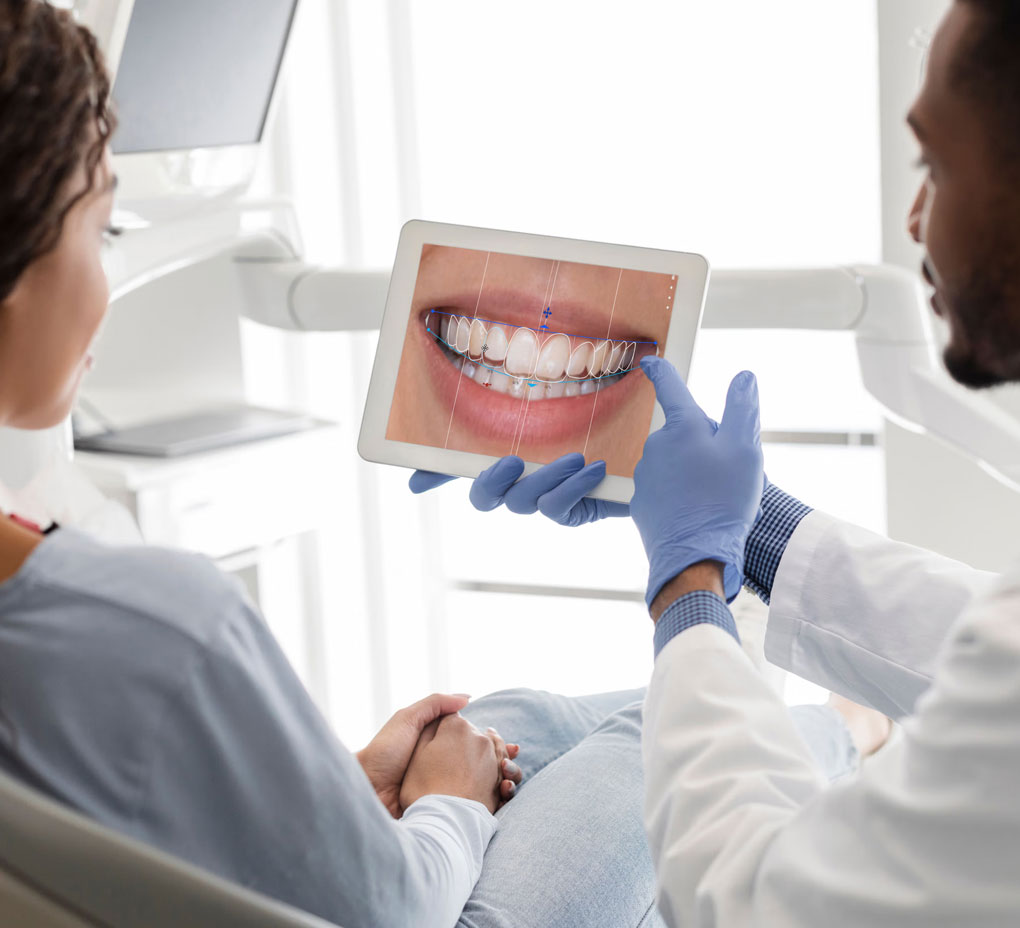
4. Enhanced Smile Design Capabilities
Smile design is becoming one of the fastest-growing areas in digital dentistry.
With facial scanning, clinicians can simulate:
- Veneers
- Orthodontic outcomes
- Smile proportions
- Tooth positioning
- Facial balance changes
Patients can visualize potential results before treatment begins.
This improves:
- Patient understanding
- Emotional confidence
- Treatment acceptance
- Communication clarity
Visual simulation is becoming one of the most powerful patient conversion tools in cosmetic dentistry.
How the RAYSCAN Facial Scanner Helps Orthodontists
Orthodontics is increasingly moving toward facial-driven treatment planning rather than tooth-only alignment.
The RAYSCAN system helps orthodontists evaluate:
- Facial asymmetry
- Jaw relationships
- Lip posture
- Profile analysis
- Soft tissue impact
- Smile esthetics
This is especially useful for:
- Clear aligner planning
- Orthognathic surgery cases
- Growth analysis
- Complex malocclusions
Modern orthodontic patients often care just as much about facial appearance as tooth alignment.
Implant Dentistry Applications
Implant dentistry requires both functional and esthetic precision.
Facial scanning allows implant dentists to evaluate:
- Smile line
- Lip support
- Facial profile
- Soft tissue harmony
- Esthetic integration
When combined with CBCT and intraoral scanning, clinicians can digitally plan implant restorations within the context of the entire face.
This improves:
- Esthetic predictability
- Surgical planning
- Prosthetic outcomes
especially in full-mouth rehabilitation cases.
Benefits for Cosmetic Dentistry Clinics
Cosmetic dentistry is becoming increasingly experience-driven and visual.
The RAYSCAN Facial Scanner provides powerful advantages for:
- Veneer consultations
- Smile makeovers
- Full facial analysis
- Patient presentations
- Digital simulations
Patients today expect personalized esthetic planning.
Facial scanning creates a premium, high-tech impression that strengthens:
- Trust
- Clinic branding
- Treatment acceptance
- Perceived expertise
For luxury cosmetic practices, advanced facial scanning technology can become a major competitive differentiator.
Improving Patient Communication and Trust
One of the strongest benefits of facial scanning technology is communication.
Many patients struggle to understand:
- Occlusion
- Facial balance
- Smile proportions
- Skeletal relationships
But when patients see a realistic 3D model of their own face, treatment explanations become far more engaging and understandable.
This improves:
- Emotional connection
- Treatment clarity
- Patient confidence
- Case acceptance rates
Technology that enhances visual communication often improves overall patient experience significantly.
AI and the Future of Facial Scanning
Artificial Intelligence is expected to further enhance facial scanning systems over the next decade.
Future developments may include:
- AI-driven smile analysis
- Predictive esthetic simulations
- Automated facial measurements
- Real-time treatment recommendations
- Growth prediction analysis
As AI becomes integrated with facial scanning, treatment planning may become increasingly personalized and data-driven.
The future of esthetic dentistry is likely to combine:
- Facial scanning
- AI analysis
- Digital workflows
- Predictive simulation
into highly advanced treatment ecosystems.
Limitations and Challenges
Despite its advantages, facial scanning technology still has some limitations.
High Initial Investment
Advanced facial scanners can be expensive, especially for smaller clinics.
Costs may include:
- Hardware
- Software
- Training
- Integration systems
This can make adoption difficult for budget-conscious practices.
Learning Curve
Clinicians must understand:
- Digital workflows
- Facial analysis
- Software integration
- Data interpretation
Technology alone does not guarantee better results without proper training.
Workflow Integration Complexity
Integrating facial scanning into existing clinical systems may require:
- Staff training
- Workflow redesign
- Software compatibility adjustments
Practices must ensure the technology fits operationally into daily routines.
Is Facial Scanning the Future of Dentistry?
Many experts believe facial scanning will become increasingly common in:
- Cosmetic dentistry
- Orthodontics
- Implantology
- Full-mouth rehabilitation
- Digital smile design
As patient expectations rise, facially driven treatment planning is likely to become a major standard in modern dentistry.
Clinics that adopt advanced digital technologies early may gain advantages in:
- Branding
- Patient trust
- Premium treatment positioning
- Workflow efficiency
Who Should Consider the RAYSCAN Facial Scanner?
The RAYSCAN Facial Scanner may be especially valuable for:
- Cosmetic dentists
- Prosthodontists
- Orthodontists
- Implant specialists
- Digital dentistry clinics
- Smile design centers
- High-end esthetic practices
Clinics heavily focused on visual outcomes and advanced patient communication may benefit the most from facial scanning integration.ence.ment.
Final Thought
Yes, dentistry is becoming increasingly expensive for many Americans.
But the issue is far more complicated than simply blaming dentists or patients.
The rising cost of dental care is being driven by a combination of:
- Inflation
- Insurance limitations
- Technology investments
- Staffing shortages
- Economic pressure
- Changing patient expectations
Patients feel overwhelmed by costs.
Dentists feel squeezed by operational realities.
The real challenge facing the industry is finding sustainable ways to make high-quality dental care both accessible and financially viable in the years ahead.
Because when Americans avoid dental care due to cost, the consequences affect not only oral health — but overall health, confidence, and quality of life as well.