
For decades, the standard treatment for tooth decay has been simple: detect the cavity, remove the decayed tooth structure, and restore it with a filling. However, advances in preventive dentistry and biomaterials are changing this approach. In 2026, dentists are increasingly focusing on early intervention and remineralization, allowing certain early-stage cavities to heal naturally without the need for drilling.
This shift represents one of the most significant developments in modern dentistry. Instead of waiting until decay becomes irreversible, dentists now aim to strengthen enamel, restore lost minerals, and stop the progression of disease before a filling becomes necessary.
According to preventive dentistry trends highlighted by DenTrends, early diagnosis and remineralization therapies are becoming essential components of minimally invasive dental care.
Understanding How Cavities Develop
Dental caries do not appear overnight. They begin as microscopic mineral loss within the enamel caused by acids produced by bacteria after consuming sugars and carbohydrates.
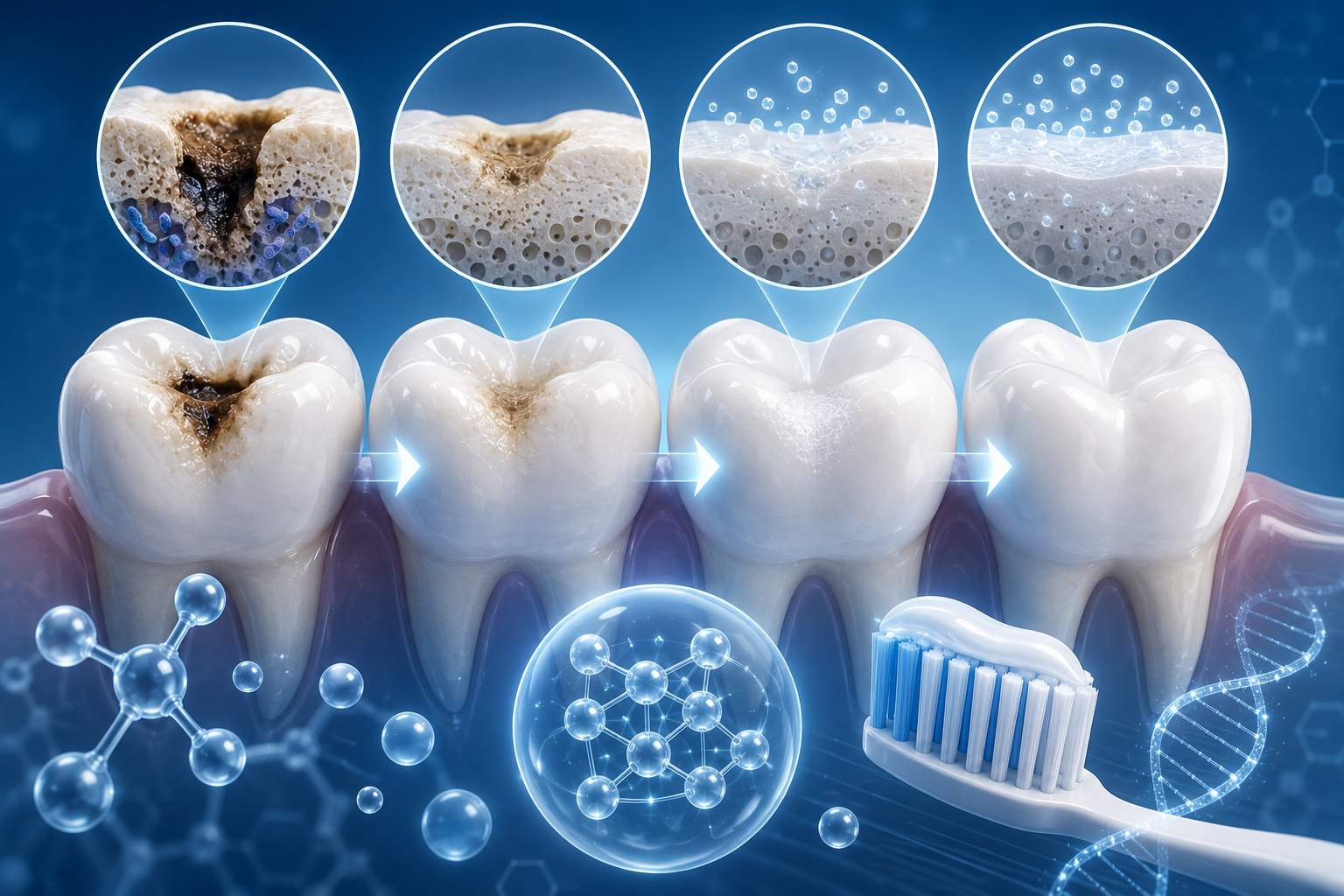
During this early stage, the tooth surface remains intact, but minerals such as calcium and phosphate are gradually depleted. If detected early, this process can often be reversed through proper remineralization.
However, once the enamel surface collapses and a physical hole develops, the damage becomes irreversible and requires restorative treatment.
This distinction is critical because only non-cavitated, early enamel lesions can be naturally repaired.
What Is Remineralization?
Remineralization is the natural process through which minerals are redeposited into weakened enamel.
Healthy saliva already contains calcium and phosphate ions that help repair minor enamel damage every day. Modern preventive dentistry enhances this natural process through specialized products and professional treatments that accelerate mineral replacement.
The goal is to rebuild enamel strength before permanent structural damage occurs.
The Role of Nano-Hydroxyapatite
One of the most promising innovations in preventive dentistry is Nano-Hydroxyapatite (nHAp).
Hydroxyapatite is the primary mineral that naturally makes up tooth enamel and bone. Nano-sized particles can penetrate microscopic enamel defects and help restore mineral density by filling tiny porous areas.
Research suggests that nano-hydroxyapatite may:
- Strengthen weakened enamel
- Reduce tooth sensitivity
- Promote remineralization
- Improve enamel smoothness
- Help prevent cavity progression
Many premium toothpastes and oral care products now incorporate nano-hydroxyapatite as an alternative or complement to fluoride-based therapies.
Why Xylitol Matters
Another ingredient receiving significant attention is Xylitol, a natural sugar alcohol.
Unlike regular sugar, cavity-causing bacteria cannot effectively metabolize xylitol.
Regular use may help:
- Reduce harmful oral bacteria
- Lower acid production
- Improve saliva flow
- Support enamel remineralization
- Reduce future cavity risk
For this reason, xylitol-containing chewing gums and oral care products are often recommended as part of preventive dental programs.
Can Small Cavities Really Heal?
The answer is yes—but only under specific conditions.
Early enamel lesions, often appearing as white spots or areas of initial demineralization, may be successfully reversed through:
- Excellent oral hygiene
- Professional fluoride therapy
- Nano-hydroxyapatite products
- Reduced sugar intake
- Increased saliva production
- Regular dental monitoring
If these measures successfully restore mineral content, the lesion may stop progressing and remain stable for years.
However, once bacteria create a visible hole in the enamel, remineralization alone cannot rebuild the missing tooth structure.
The Importance of Early Diagnosis
Modern dental technology makes early detection more effective than ever before.
Dentists now use advanced diagnostic tools such as:
- Digital radiography
- Intraoral cameras
- Laser caries detection devices
- AI-assisted diagnostic software
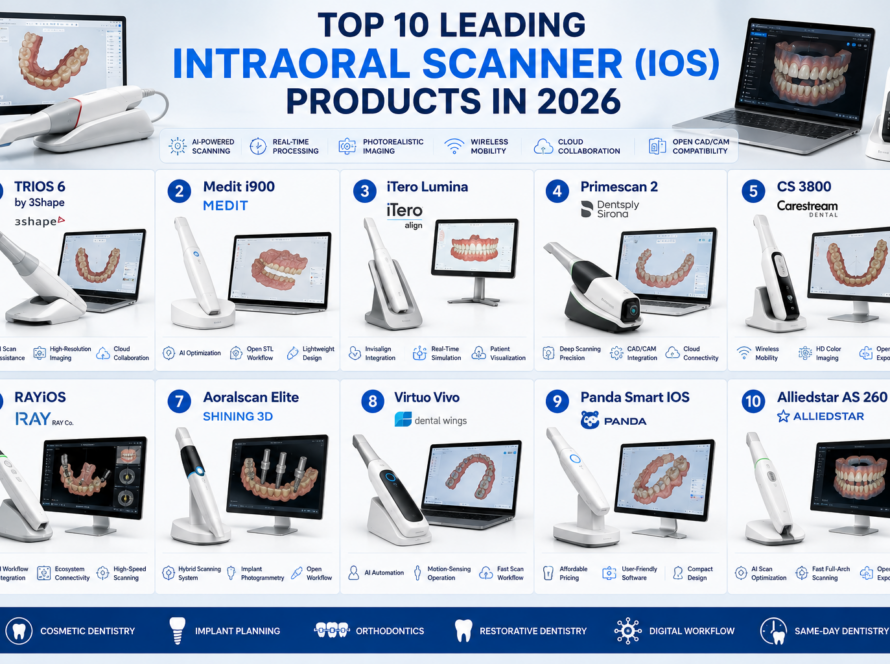
- Digital scanning systems
These technologies allow clinicians to identify early demineralization before traditional cavities become visible.
Early diagnosis creates the opportunity for conservative treatment that preserves natural tooth structure.
Minimally Invasive Dentistry Is the Future
The philosophy of modern dentistry has shifted from “drill and fill” to “detect, prevent, and preserve.”
Instead of removing healthy tooth tissue unnecessarily, dentists increasingly focus on maintaining natural enamel whenever possible.
Minimally invasive dentistry aims to:
- Preserve healthy tooth structure
- Reduce patient discomfort
- Lower long-term restoration needs
- Improve lifelong oral health
Remineralization therapies align perfectly with this philosophy by treating disease before irreversible damage occurs.
What Patients Can Do at Home
Patients play a vital role in preventing cavity progression.
Daily habits that support enamel health include:
- Brushing twice daily with a remineralizing toothpaste
- Flossing consistently
- Limiting sugary snacks and beverages
- Drinking plenty of water
- Using xylitol products when appropriate
- Visiting the dentist regularly
Combined with professional preventive care, these habits significantly reduce the risk of future decay.
A Word of Caution
Claims that “all cavities can be reversed without a dentist” are misleading.
While early enamel lesions may respond to remineralization, established cavities with structural breakdown require professional treatment.
Ignoring a progressing cavity can allow bacteria to penetrate deeper layers of the tooth, potentially leading to infection, pain, root canal therapy, or tooth loss.
Regular dental examinations remain essential for determining whether a lesion is reversible or requires restoration.
The Future of Preventive Dentistry
Researchers continue to develop next-generation biomaterials capable of repairing enamel more effectively than ever before.
Emerging technologies include:
- Bioactive restorative materials
- Regenerative enamel therapies
- Smart remineralizing agents
- AI-driven cavity risk assessment
- Personalized preventive dentistry
These innovations promise a future where many early dental diseases can be managed conservatively before invasive procedures become necessary.
DenTrends Thoughts
The idea of reversing small cavities without drilling is no longer science fiction. Advances in remineralization science, nano-hydroxyapatite technology, and preventive dentistry are enabling dentists to preserve natural tooth structure and intervene earlier than ever before.
However, success depends on one crucial factor: timing. Early-stage enamel lesions can often be repaired, but established cavities cannot regenerate on their own.
The future of dentistry lies not only in treating disease but in preventing it. By combining early diagnosis, evidence-based preventive therapies, and patient education, modern dentistry is moving toward a more conservative, healthier, and minimally invasive approach to oral care.