
Veneers and dental crowns are two of the most popular cosmetic and restorative dental treatments available today. Both can dramatically improve the appearance and function of teeth, but they serve very different purposes.
Patients often ask:
“Should I get veneers or crowns?”
The answer depends on several factors, including the condition of the tooth, cosmetic goals, structural damage, and long-term expectations.
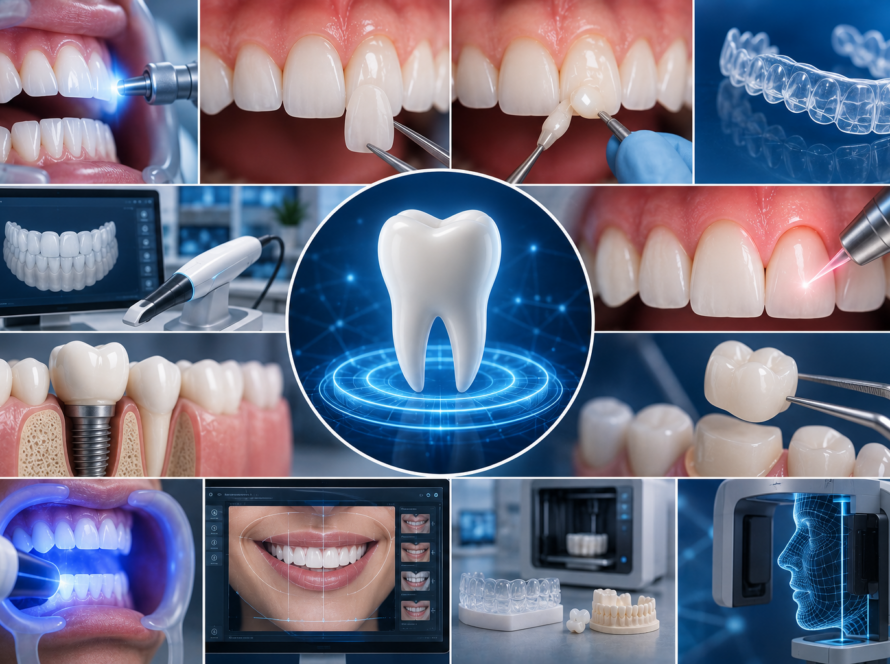
In modern dentistry, advances in digital smile design, CAD/CAM technology, AI-assisted treatment planning, and high-strength ceramic materials have made both veneers and crowns more natural-looking and durable than ever before.
According to cosmetic dentistry trends analyzed by DenTrends.com, understanding the differences between veneers and crowns is essential because choosing the wrong treatment can affect aesthetics, longevity, and oral health outcomes.
What Are Dental Veneers?
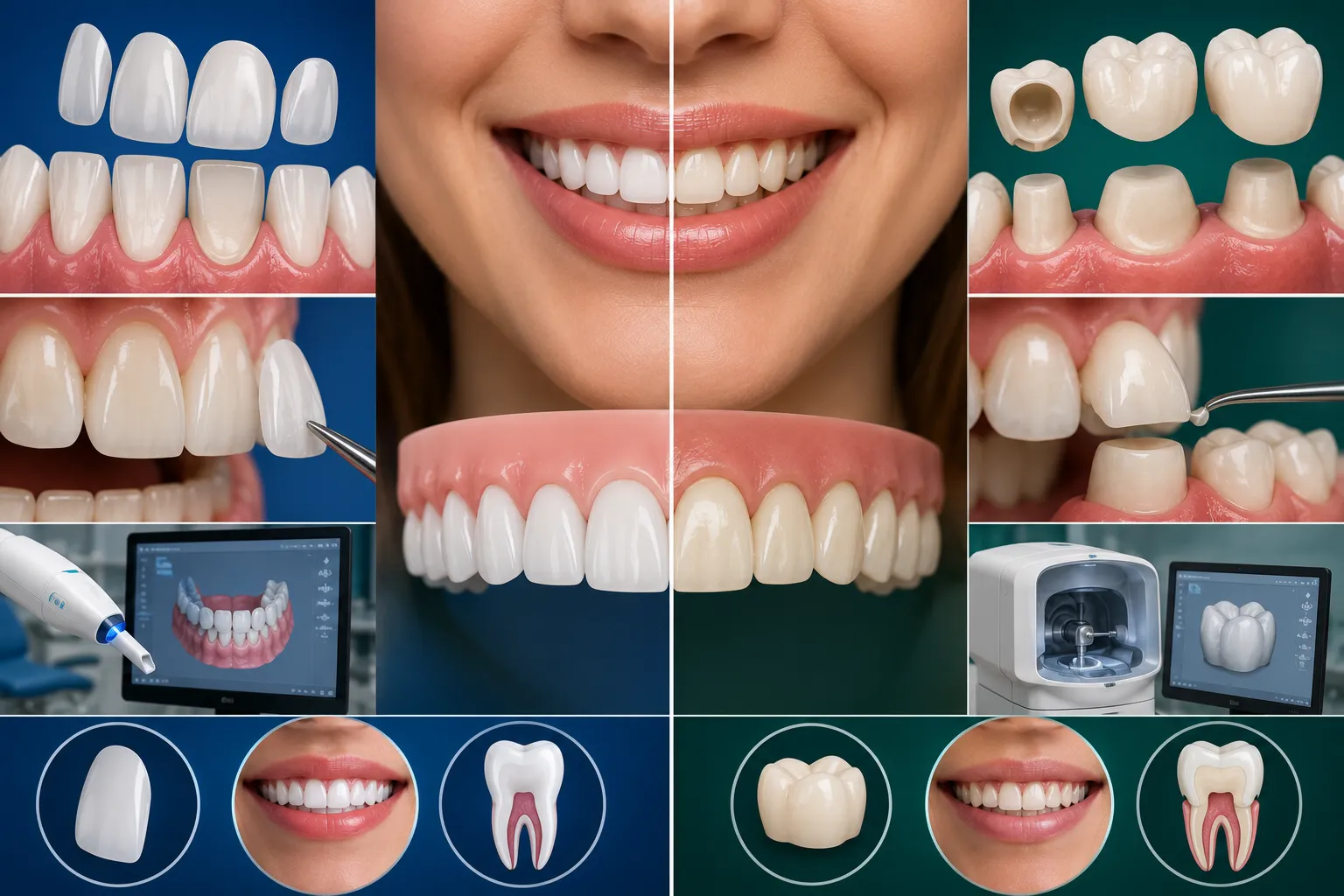
Dental veneers are ultra-thin shells made from porcelain or composite resin that are bonded to the front surface of teeth.
Their primary purpose is cosmetic enhancement.
Veneers are commonly used to improve:
- Tooth color
- Minor misalignment
- Small gaps
- Chipped teeth
- Uneven tooth shapes
- Worn enamel
Because veneers cover only the visible front surface, they require minimal tooth reduction compared with crowns.
Modern porcelain veneers can create highly natural-looking results while preserving a significant amount of healthy tooth structure. This conservative approach has made veneers one of the most sought-after smile makeover treatments worldwide.
What Are Dental Crowns?
A dental crown is a full-coverage restoration that surrounds the entire visible portion of a tooth.
Unlike veneers, crowns are designed to restore both:
- Function
- Strength
Crowns are commonly recommended for teeth that are:
- Severely damaged
- Heavily restored
- Cracked
- Root canal treated
- Structurally weakened
By covering the entire tooth, crowns provide protection against further damage while restoring appearance and chewing function. Modern crowns are often fabricated using advanced ceramic materials that closely mimic natural enamel.
The Biggest Difference: Cosmetic vs Structural Treatment
The most important distinction between veneers and crowns is their purpose.
Veneers primarily improve appearance.
Crowns primarily restore strength and function.
If a tooth is healthy but cosmetically imperfect, veneers may be the ideal solution.
If a tooth is significantly damaged or weakened, a crown often provides the necessary protection. This is why treatment planning should always begin with a comprehensive examination rather than focusing solely on aesthetics.
When Veneers Are the Better Choice
Veneers are often ideal when the tooth structure remains healthy and strong.
Patients frequently choose veneers for:
Smile Makeovers
Porcelain veneers can transform:
- Tooth color
- Shape
- Symmetry
- Overall smile aesthetics
Stained Teeth
Some discoloration does not respond well to whitening treatments.
Veneers can provide a long-lasting solution for:
- Tetracycline staining
- Fluorosis
- Severe discoloration
Minor Cosmetic Corrections
Small chips, slight gaps, and minor alignment concerns can often be corrected without orthodontic treatment. Because veneers preserve more natural tooth structure, many cosmetic dentists prefer them whenever clinically appropriate.
When Crowns Are the Better Choice
Crowns become necessary when the tooth requires structural reinforcement.
Common situations include:
Large Fillings
Teeth with extensive restorations may no longer have enough healthy enamel to support veneers.
Root Canal Treatment
Root canal-treated teeth often become more brittle over time.
Crowns help protect them from fracture.
Cracked Teeth
Cracks can compromise tooth integrity.
A crown helps hold the tooth together and reduce the risk of further damage.
Severe Tooth Wear
Patients with heavy grinding habits or advanced wear may benefit more from crowns than veneers. In these situations, long-term function becomes more important than cosmetic enhancement alone.
Which Looks More Natural?
Modern dentistry has dramatically improved the aesthetics of both restorations.
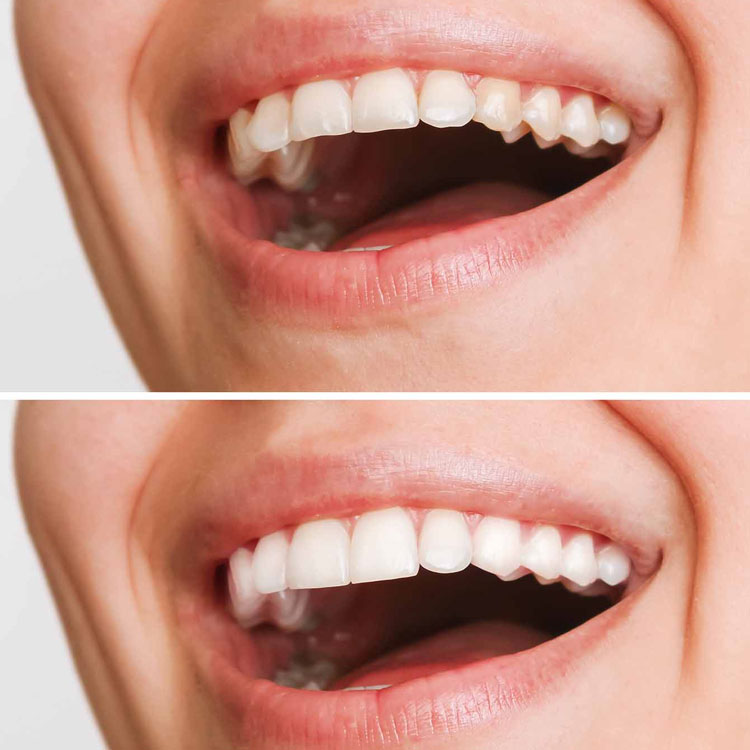
However, veneers often provide the most natural cosmetic appearance because they require less alteration of the natural tooth.
Porcelain veneers are known for:
- Exceptional translucency
- Natural light reflection
- High aesthetic value
That said, today’s premium ceramic crowns can also deliver outstanding cosmetic results.
Many patients cannot visually distinguish between high-quality crowns and natural teeth.
The final result depends heavily on:
- Material selection
- Laboratory quality
- Dentist expertise
Smile design planning
Longevity: Veneers vs Crowns
Both treatments can last many years when properly maintained.
Veneers
Average lifespan:
- 10–15 years
- Often longer with excellent care
Crowns
Average lifespan:
- 10–20 years
- Sometimes longer depending on materials and oral habits
Factors influencing longevity include:
- Oral hygiene
- Bite forces
- Teeth grinding
- Material quality
- Regular dental care
Neither veneers nor crowns last forever, but both can provide long-term solutions when properly maintained.
Cost Comparison in 2026
Costs vary based on location, materials, and provider expertise.
Veneers
Typically:
- $800–$2,500+ per tooth
Crowns
Typically:
- $1,000–$3,000+ per tooth
Premium ceramic materials and advanced digital workflows may increase treatment costs.
However, treatment decisions should never be based on price alone.
Choosing the correct restoration for the clinical situation is far more important than finding the lowest cost option.
Digital Dentistry Is Transforming Both Treatments
Modern veneer and crown procedures increasingly rely on digital technology.
Advanced dental clinics now use:
- Intraoral scanners
- Digital smile design
- CAD/CAM restorations
- AI-assisted planning
- 3D imaging
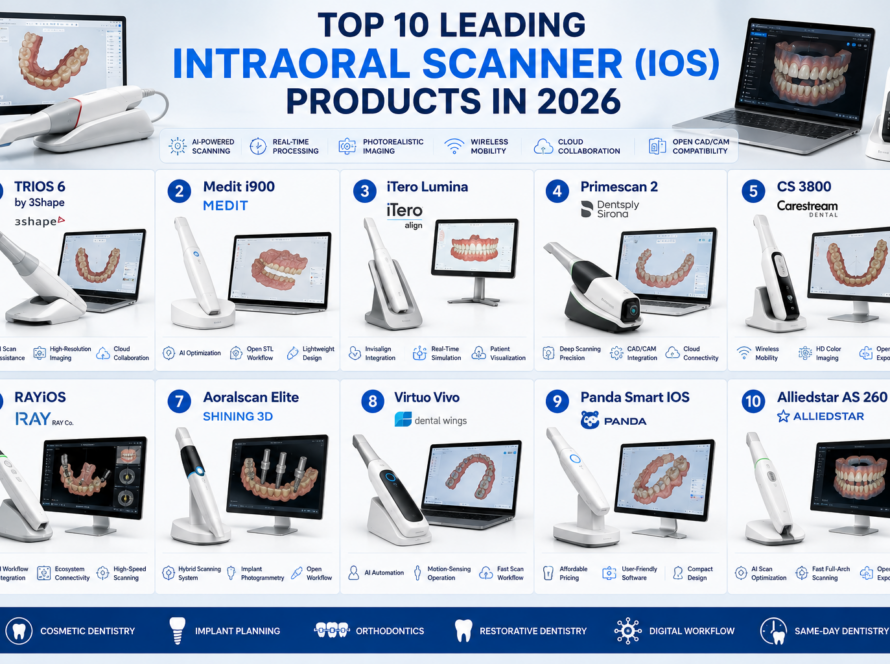
Systems such as:
allow highly accurate digital impressions without traditional impression materials.
Digital workflows improve:
- Precision
- Patient comfort
- Restoration fit
- Treatment efficiency
According to digital dentistry coverage by DenTrends.com, AI-assisted smile design and CAD/CAM manufacturing are becoming standard components of modern cosmetic dentistry.
Can You Replace Veneers with Crowns Later?
In some cases, yes.
However, the reverse is usually more difficult.
Because crowns require greater tooth reduction, once a tooth has been prepared for a crown, returning to veneers alone may not be possible.
This is one reason many cosmetic dentists favor conservative treatments whenever clinically appropriate.
Preserving natural tooth structure remains a core principle of modern dentistry.
Which Treatment Is Better?
There is no universal winner.
The best choice depends entirely on the condition of the tooth.
Veneers are usually better for:
- Cosmetic improvements
- Healthy teeth
- Smile makeovers
- Color correction
- Minor shape adjustments
Crowns are usually better for:
- Damaged teeth
- Root canal-treated teeth
- Cracked teeth
- Large fillings
- Structural reinforcement
The most successful outcomes occur when treatment decisions are based on long-term oral health rather than appearance alone.
DenTrends Thoughts
Veneers and crowns are both powerful tools in modern dentistry, but they are designed to solve different problems.
Veneers excel at cosmetic transformation while preserving healthy tooth structure.
Crowns excel at restoring strength, function, and protection for damaged teeth.
Advances in digital dentistry, AI-assisted treatment planning, and high-performance ceramic materials have made both options more predictable, durable, and natural-looking than ever before.
According to cosmetic dentistry insights published by DenTrends.com, the future of restorative and aesthetic dentistry lies in personalized treatment planning that balances beauty, function, and long-term oral health.
Because the best smile is not simply the most beautiful one. It is the smile that remains healthy, functional, and confident for years to come.