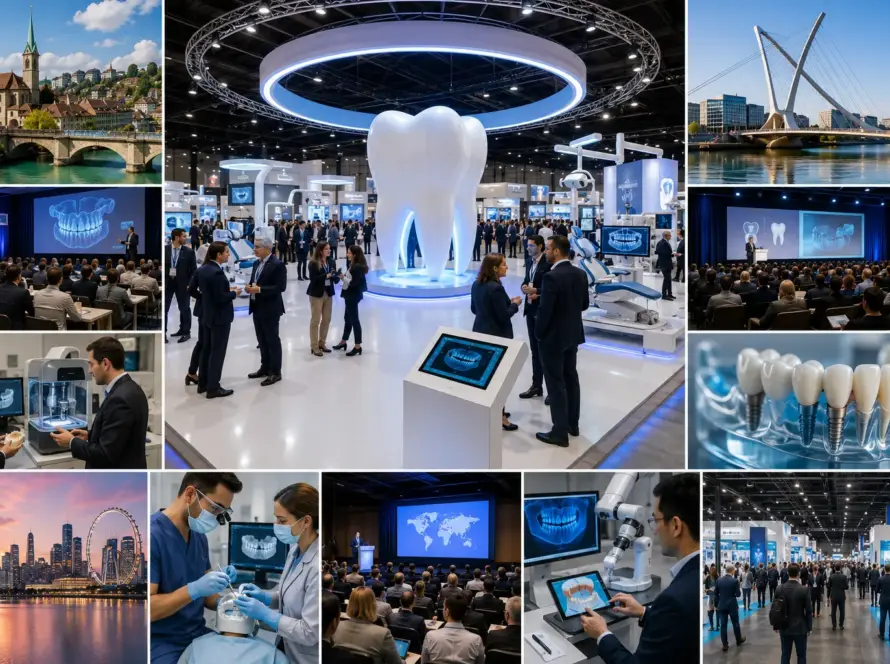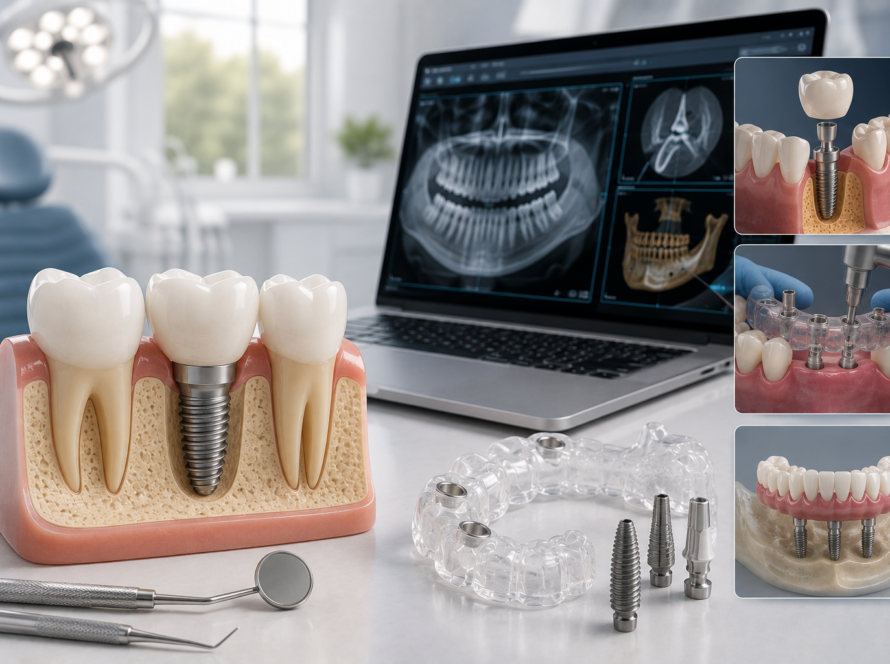

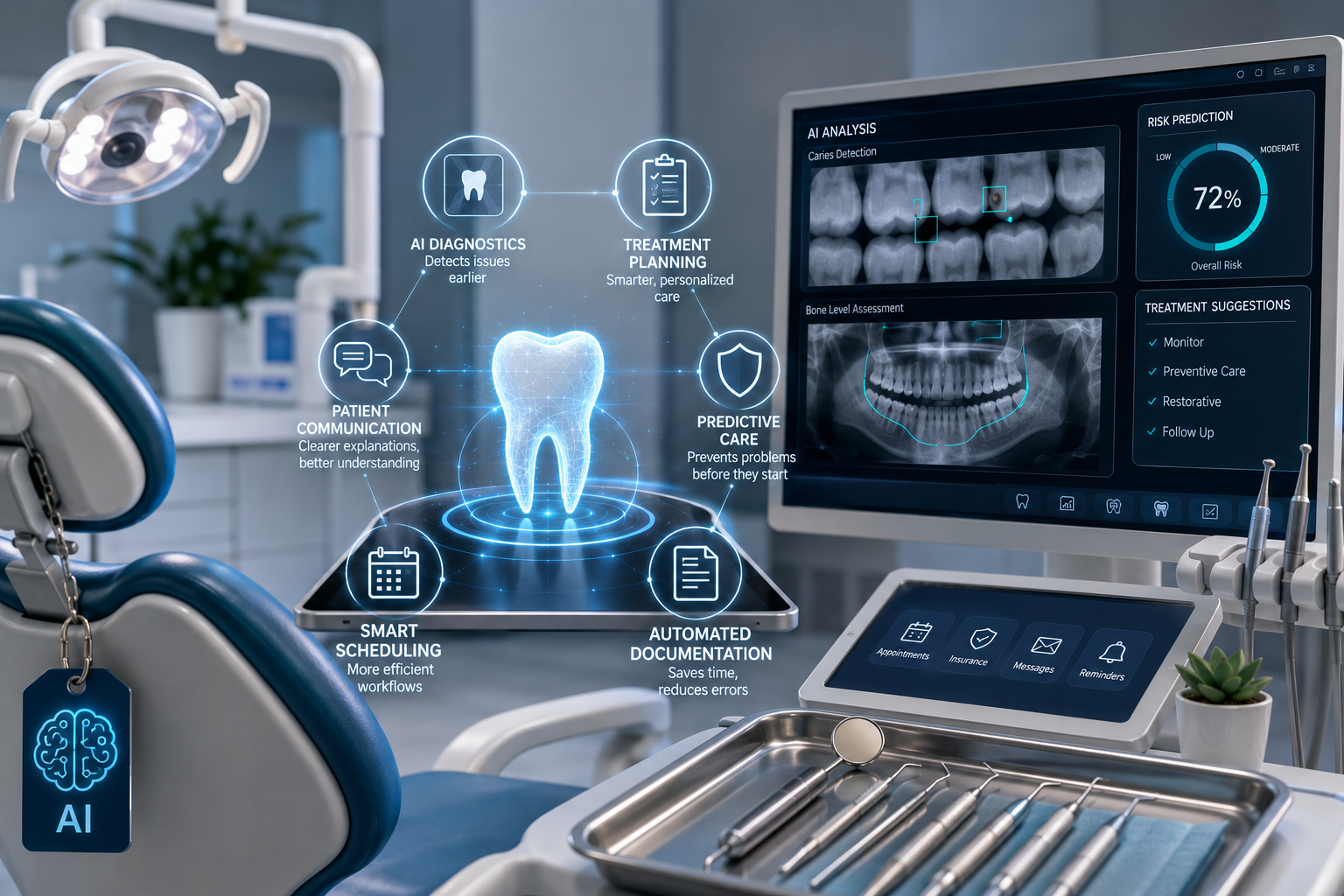
Artificial Intelligence is no longer a futuristic concept in dentistry. In 2026, AI is already analyzing dental X-rays, automating patient communication, improving treatment planning, streamlining insurance workflows, and helping dentists detect issues earlier than ever before.
This rapid evolution has sparked one of the biggest questions in modern dentistry:
Will AI replace dentists in the next 10 years?
The short answer is: No — but AI will absolutely transform dentistry.
The dentists who refuse to adapt may struggle. The dentists who learn to work alongside AI could become more efficient, more profitable, and more accurate than ever before.
This article explores the real future of AI in dentistry, what technologies are emerging, which dental jobs are most vulnerable, and why human dentists still remain irreplaceable.
Why This Question Matters in 2026
AI adoption in dentistry accelerated dramatically after 2024. What began as simple image analysis software has now evolved into intelligent systems capable of:
- Detecting cavities and bone loss
- Assisting with orthodontic planning
- Automating charting and documentation
- Predicting treatment outcomes
- Managing scheduling and insurance workflows
- Supporting patient communication
Industry experts increasingly view AI as a “silent team member” inside modern practices. (Dentaltown)
At the same time, many dentists fear:
- Loss of clinical autonomy
- Increased corporate control
- Reduced value of human expertise
- Legal liability from AI recommendations
- Patient trust shifting toward technology
These concerns are not irrational. AI is advancing quickly.
But dentistry is far more complex than simply identifying problems on a radiograph.
What AI Can Already Do in Dentistry
1. AI-Powered Diagnostics
AI systems can now analyze:
- Bitewing X-rays
- CBCT scans
- Periodontal bone levels
- Periapical lesions
- Caries patterns
Some systems can detect abnormalities earlier than the human eye in certain cases. (Penn Dental Family Practice)
AI acts as:
- A second set of eyes
- A diagnostic assistant
- A consistency tool
This reduces:
- Missed diagnoses
- Human fatigue errors
- Variability between clinicians
However, AI still depends heavily on:
- Data quality
- Image accuracy
- Clinical context
- Human interpretation
2. Automated Administrative Work
This is where AI is creating the fastest disruption.
AI can now automate:
- Appointment scheduling
- Recall reminders
- Insurance verification
- Claim processing
- Clinical notes
- Front desk communication
Many dental practices already use AI-driven workflow systems to reduce staff workload. (Henry Schein One)
This means some traditional administrative roles inside dental clinics may shrink over time.
3. Treatment Planning Assistance
AI systems increasingly help dentists:
- Visualize treatment outcomes
- Simulate smile design
- Predict orthodontic movement
- Evaluate implant placement
- Recommend preventive interventions
Advanced AI models are beginning to combine:
- Imaging
- Medical history
- Behavioral data
- Risk analysis
This could push dentistry toward highly personalized treatment planning. (Dentaltown)
4. Patient Communication
AI improves patient education through:
- Visual overlays
- Automated explanations
- Predictive treatment visuals
- Chat-based support systems
Patients often accept treatment more easily when they visually understand the problem.
AI therefore enhances:
- Trust
- Clarity
- Treatment acceptance
What AI Cannot Replace
Despite major advancements, AI still lacks critical human capabilities that define dentistry.
1. Human Judgment
Dentistry is not just pattern recognition.
A dentist must evaluate:
- Patient emotions
- Medical complexity
- Ethical decisions
- Pain tolerance
- Financial limitations
- Behavioral factors
AI can suggest.
Humans must decide.
Clinical judgment remains deeply human.
2. Hands-On Clinical Skills
Even highly advanced robotics still cannot replicate:
- Complex extractions
- Delicate surgical judgment
- Real-time tactile response
- Patient comfort management
- Adaptive procedural decision-making
Dentistry is physical, biological, emotional, and unpredictable.
The human hand and brain combination remains extremely difficult to replace.
3. Trust & Emotional Connection
Patients do not simply want accurate treatment.
They want:
- Empathy
- Reassurance
- Confidence
- Communication
- Trust
A nervous patient undergoing oral surgery does not want a machine making emotional decisions.
Human interaction remains one of dentistry’s strongest advantages.
Industry leaders increasingly emphasize that technology should “enable, not replace, human care.” (Dentally Blog)
The Real Threat: Dentists Who Ignore AI
The biggest misconception is:
“AI will replace dentists.”
A more accurate statement is:
“Dentists using AI may replace dentists who refuse to use it.”
This is already happening.
AI-assisted clinics are becoming:
- Faster
- More efficient
- More data-driven
- Better at patient communication
- Operationally leaner
Dentists who avoid technological adaptation may struggle to compete.
Several industry experts now describe AI as an operational necessity rather than an optional innovation. (Henry Schein One)
Which Dental Roles Are Most Vulnerable?
AI will likely impact some roles more than others.
Higher-Risk Areas
Administrative Roles
- Scheduling staff
- Insurance coordinators
- Front desk communication
Basic Diagnostic Assistance
AI increasingly handles repetitive imaging analysis.
Routine Documentation
Clinical note automation is expanding rapidly.
Lower-Risk Areas
Oral Surgeons
Requires advanced physical skill and real-time adaptation.
Pediatric Dentists
Heavy emotional interaction and behavior management.
Cosmetic Dentists
Artistic judgment remains deeply human.
Complex Restorative Specialists
Multi-layered clinical decision-making is difficult to automate fully.
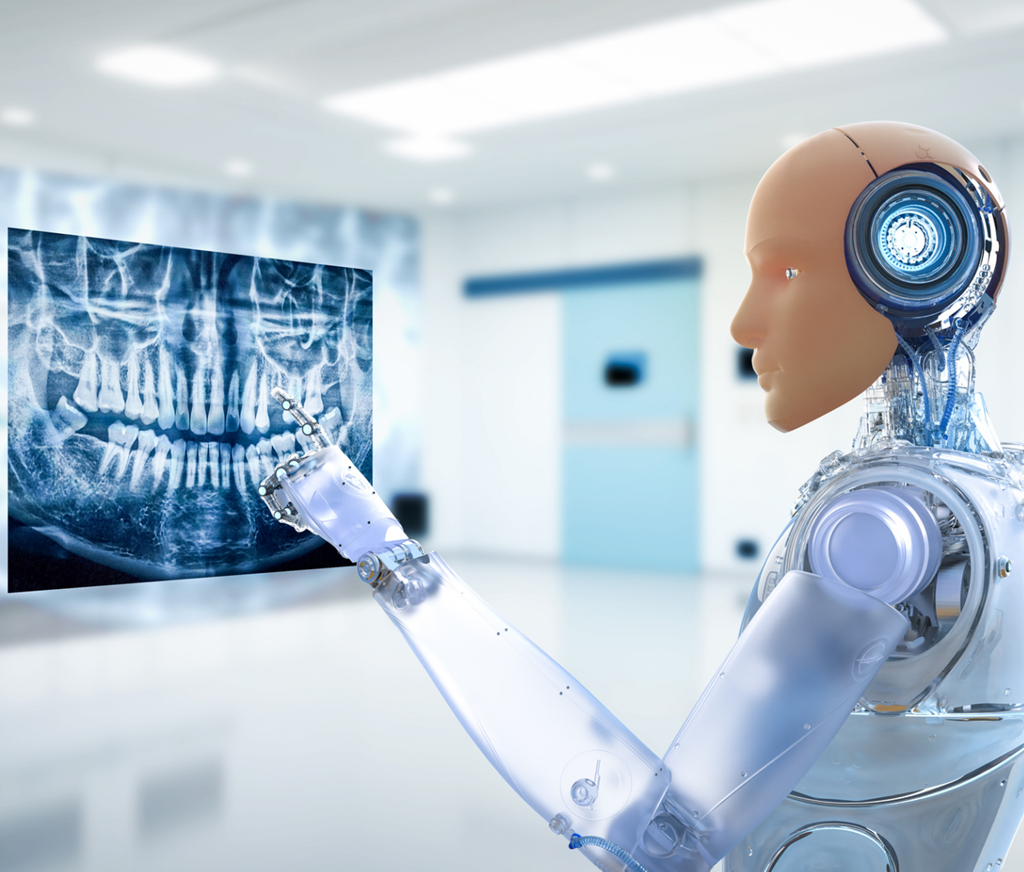
Will Robots Perform Dentistry?
Robotic-assisted dentistry will grow significantly.
Future developments may include:
- Robotic implant guidance
- Automated milling
- Precision surgical assistance
- AI-guided orthodontics
However, fully autonomous “robot dentists” remain unlikely within the next decade.
The biggest barriers are:
- Legal liability
- Ethical concerns
- Biological unpredictability
- Patient trust
- Safety regulations
Dentistry is not assembly-line manufacturing.
Every mouth is biologically unique.
The Corporate Dentistry Factor
AI may accelerate the rise of large Dental Service Organizations (DSOs).
Large groups can:
- Invest in expensive AI systems
- Centralize operations
- Analyze large patient datasets
- Automate administrative workflows
This creates pressure on smaller independent clinics.
The danger is not necessarily AI alone —
it is AI combined with corporate scale.
Independent dentists who adopt technology strategically may still compete effectively through:
- Personalized care
- Reputation
- Community trust
- Specialized expertise
Ethical & Legal Concerns
AI in dentistry also raises serious questions.
Who Is Liable If AI Makes a Mistake?
If AI misses:
- Oral cancer
- Bone loss
- Pathology
- Implant complications
Who is responsible?
- Software company?
- Dentist?
- Clinic owner?
Regulatory frameworks remain unclear in many regions. (ADA News)
Data Privacy Risks
Dental AI depends heavily on:
- Patient records
- Radiographs
- Health histories
- Cloud systems
This increases concerns around:
- Cybersecurity
- HIPAA compliance
- Data ownership
- AI bias
What Dentistry Will Probably Look Like by 2035
The future dental clinic may include:
- AI-assisted diagnostics
- Smart treatment planning
- Automated documentation
- Predictive preventive care
- Voice-powered charting
- Real-time patient education systems
- AI-driven scheduling and operations
But the dentist will still remain central.
The role may evolve from:
“Manual operator”
to:
“Technology-guided healthcare strategist.”om heavy PPO dependence.ment.
Final Thought
No — AI will not fully replace dentists within the next 10 years.
But AI will absolutely reshape:
- How dentistry operates
- How clinics compete
- How patients choose providers
- How treatment decisions are made
The future belongs to dentists who combine:
- Clinical expertise
- Human connection
- Technological intelligence
AI is becoming one of the most powerful tools dentistry has ever seen.
But tools still require skilled humans to use them wisely.
Key Takeaways:
- AI is transforming dentistry rapidly
- Administrative dental roles face major disruption
- AI improves diagnostics and efficiency
- Human judgment and emotional care remain irreplaceable
- Dentists who adopt AI strategically will gain competitive advantage
- Corporate dentistry may accelerate AI adoption faster than small practices
- The future dentist will likely work with AI, not compete against it