
Impact of AI Technologies in Modern Dentistry
Artificial Intelligence (AI) is rapidly transforming the dental industry, redefining how diagnoses are made, treatments are planned, and patients are cared for. By combining machine learning, data analytics, and automation, AI is helping dental professionals deliver faster, more accurate, and more personalized care than ever before.
The Transformative Role of AI in Dentistry
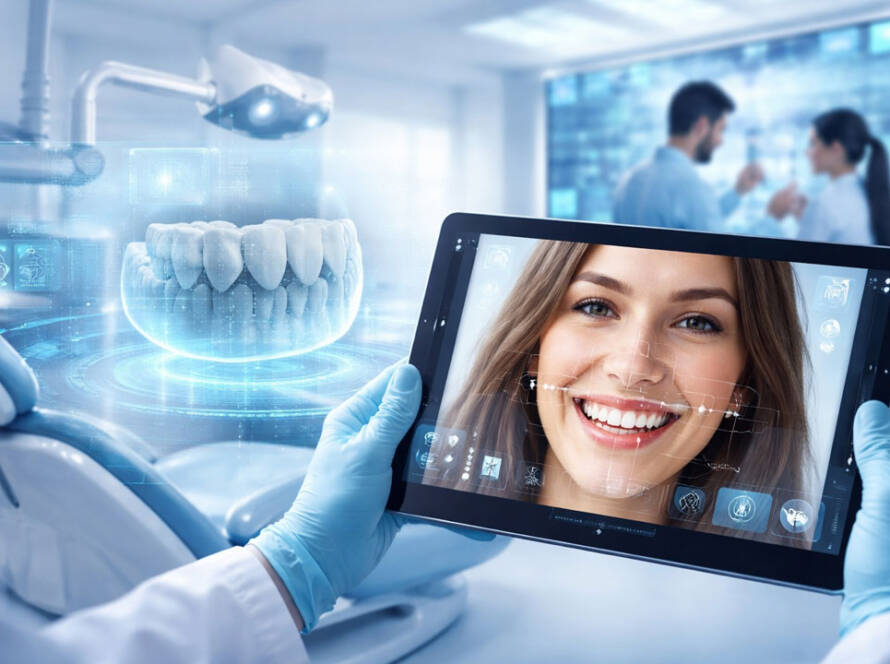
AI technologies are reshaping dentistry by enhancing diagnostic precision, optimizing workflows, and improving patient outcomes. Advanced AI systems can analyze dental images, patient records, and clinical data with exceptional accuracy, allowing dentists to detect issues earlier and reduce the risk of misdiagnosis.
AI-powered image analysis tools can examine radiographs and intraoral scans to identify cavities, periodontal disease, bone loss, and even early signs of oral cancer—conditions that may sometimes be missed during manual evaluation.
Key Benefits of AI-Driven Diagnostics
- Improved Diagnostic Accuracy: Research indicates that AI-assisted diagnostic systems can achieve accuracy rates of up to 95%, significantly reducing diagnostic errors.
- Enhanced Clinical Efficiency: AI automates repetitive administrative and documentation tasks, enabling dental professionals to dedicate more time to patient care rather than paperwork.
Beyond diagnostics, AI’s ability to process vast datasets enables data-driven decision-making. Dentists can create personalized treatment plans tailored to each patient’s medical history, risk factors, and behavioral patterns, leading to better clinical outcomes and higher patient satisfaction.
Real-World Applications of AI in Dentistry
The practical use of AI in dental practices is expanding rapidly, delivering tangible benefits for both patients and professionals.
AI-Powered Patient Engagement
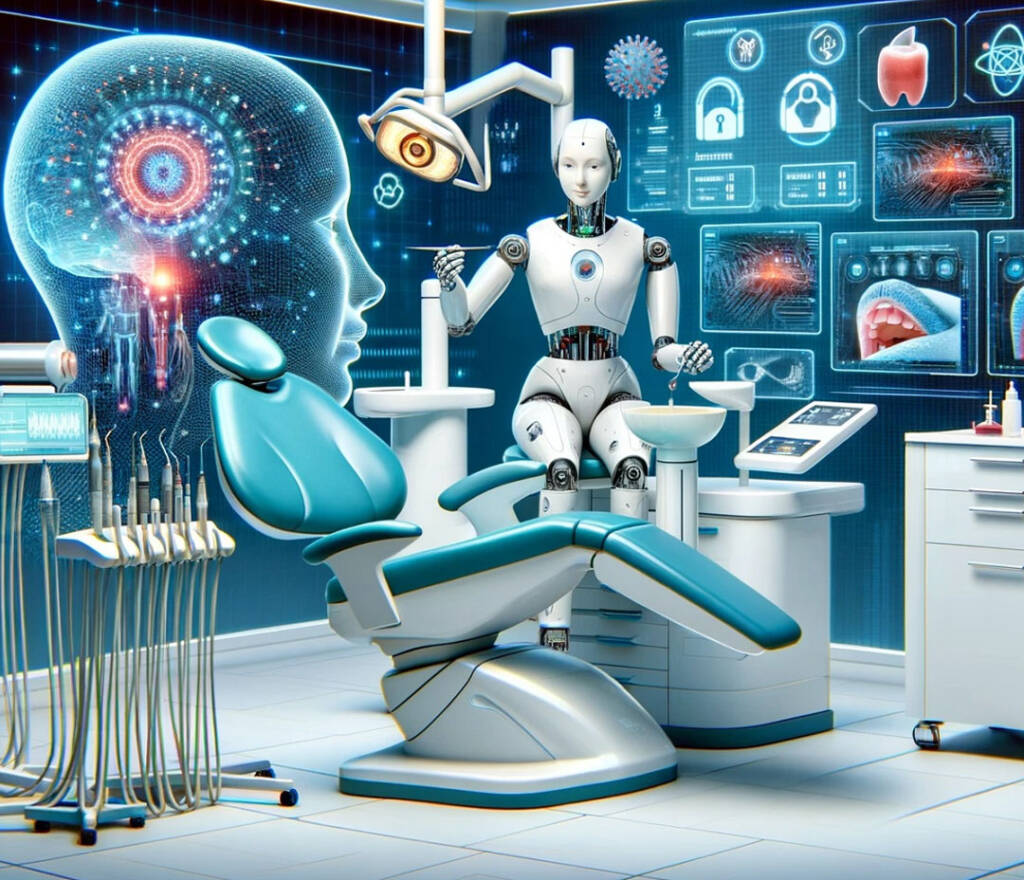
AI-driven chatbots are increasingly used to manage patient communication. These systems assist with appointment scheduling, answering common questions, and sending reminders or follow-up instructions. Available around the clock, chatbots improve patient accessibility and significantly reduce response times.
AI in Treatment Planning and Prevention
- Smart Treatment Planning: AI can analyze patient records and compare them with thousands of similar clinical cases to suggest optimal treatment strategies.
- Predictive Analytics: By evaluating historical and real-time patient data, AI can predict potential dental issues before symptoms appear, allowing dentists to implement preventive measures early.
AI in Dental Education and Training
AI-powered virtual simulations are transforming dental education. These platforms provide students with realistic, risk-free environments where they can practice procedures and receive instant feedback. This approach accelerates skill development, improves clinical confidence, and prepares students for real-world practice.
Addressing Concerns and Misconceptions About AI
Despite its advantages, the adoption of AI in dentistry often raises concerns among patients and professionals alike.
Preserving the Human Touch
A common misconception is that AI will replace dentists. In reality, AI is designed to support—not substitute—clinical expertise. While AI enhances decision-making and efficiency, the human elements of empathy, judgment, and patient trust remain essential and irreplaceable.
- AI as an Assistive Tool: Dentists retain full control over clinical decisions, using AI insights to support more informed and compassionate care.
Data Privacy and Security
Patient data protection is another critical concern. Dental practices must implement strong cybersecurity protocols and comply with data protection regulations to ensure that sensitive health information remains secure and confidential.
By proactively addressing these concerns, dental professionals can build trust and help patients feel confident about AI-driven care.
Key Takeaways
- AI significantly improves diagnostic accuracy, reaching up to 95% in certain applications.
- Automation of administrative tasks allows dentists to focus more on patient care.
- AI-powered chatbots enhance patient communication and accessibility.
- Predictive analytics supports early intervention and preventive dentistry.
- AI augments dental expertise rather than replacing the dentist’s role.
Conclusion
The impact of AI technologies on dentistry is profound and far-reaching. From diagnostics and treatment planning to patient engagement and education, AI is shaping a smarter, more efficient future for oral healthcare. As dental research and technology continue to evolve, embracing AI will be essential for practices aiming to deliver high-quality, patient-centered care.
The journey of AI in dentistry has only just begun—and its potential to transform oral health outcomes is truly limitless.