
Speaker: DenTrends
Session Type: Combining DSD, photography, AI simulations, and cosmetic dentistry trends.
Aesthetic Dentistry & Technology
Smile Design 2.0 represents a fundamental evolution in cosmetic dentistry — one that moves beyond isolated tooth aesthetics to embrace the full facial context. By integrating Digital Smile Design (DSD) with AI-driven simulations, standardized photography, and cross-specialty collaboration, clinicians can now offer patients a truly holistic smile transformation experience.
What is Digital Smile Design?
DSD is a structured clinical workflow that uses facial photographs and video to design a smile aligned with a patient’s unique proportions — accounting for midline alignment, lip dynamics, gingival display, and the golden ratio. While revolutionary in its day, classical DSD has limitations: it is time-intensive, often relies on static images, and can underweight the broader facial context and animated expression.
Smile Design 2.0 addresses these gaps by layering in AI predictive modeling, dynamic video analysis, and input from adjacent specialties such as facial aesthetic medicine and periodontics.
The Four Pillars of Smile Design 2.0
Standardized Photography & Video
A full photographic protocol — including dynamic video of natural speech and laughter — captures how the smile truly behaves, not just how it appears in a static frame.
Facial Aesthetic Mapping
Analysis begins with the face: interpupillary line, alar base width, lip-to-incisal edge relationship, and soft tissue envelope. Guidelines inform but never override clinical judgment.
AI-Powered Simulations
Modern platforms generate photorealistic previews within minutes, allowing patients to visualize outcomes before any preparation begins — dramatically improving case acceptance.
Cross-Specialty Collaboration
Gingival sculpting, BTX interventions, and dermal filler planning are increasingly integrated into the smile design timeline, recognizing that the perioral region extends well beyond the gingival margin.
AI Simulations: Power & Responsibility
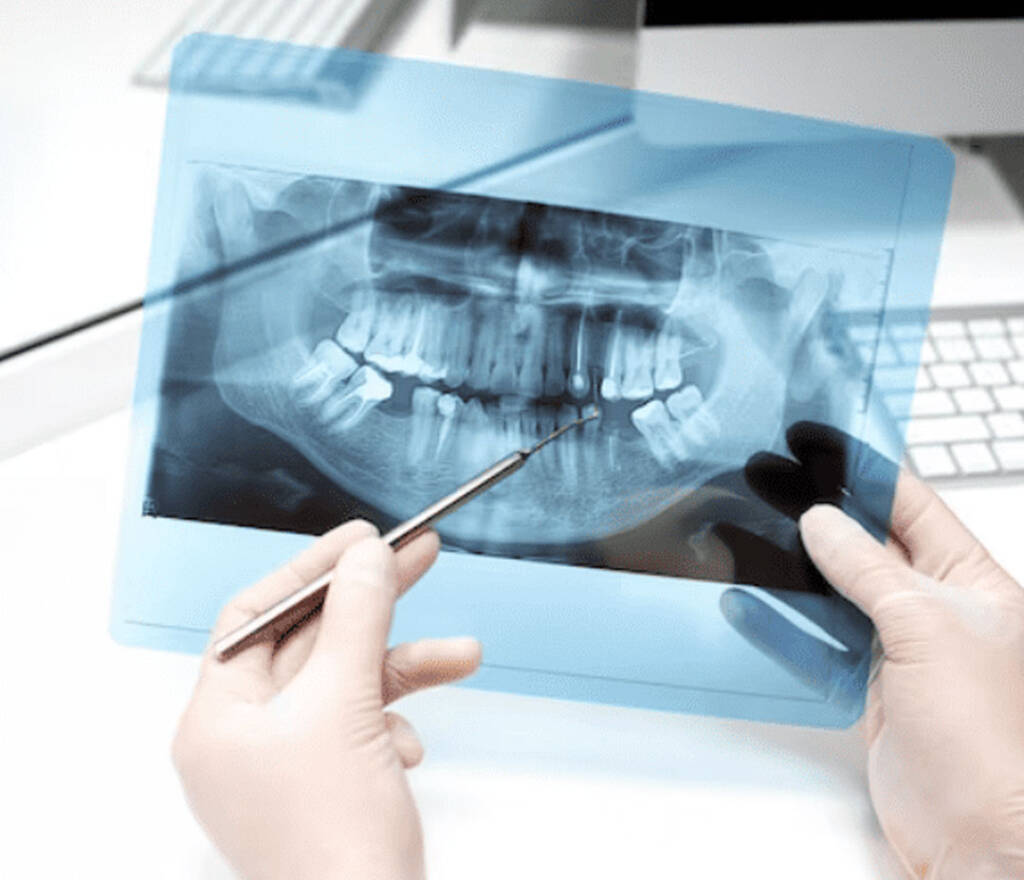
AI smile simulation platforms have moved far beyond crude Photoshop mockups. Today’s tools automatically segment tooth geometry, apply design libraries ranging from ‘Hollywood’ to ‘Natural Aged,’ and produce dynamic video previews — all integrated directly with CAD/CAM milling workflows. However, simulations must be presented as design references, not guaranteed outcomes. Informed consent documentation should explicitly address their illustrative nature to protect both patient trust and medicolegal standing.
Current Aesthetic Trends
Natural Smile Revival
Patients are moving away from hyperpigmented ‘Hollywood’ veneers toward restorations with visible surface texture, incisal translucency, and age-appropriate shade gradients.
The Pink Aesthetic
Gingival architecture — contour, papillae shape, tissue color — is increasingly central to comprehensive smile planning, elevating the role of periodontic collaboration.
Minimally Invasive Veneers
Advances in ultra-thin lithium disilicate and zirconia laminates make dramatic aesthetic change possible with zero to sub-millimetre preparation, provided digital planning confirms the space is available.
Challenges & Ethical Considerations
The risk of over-treatment is real. Powerful simulation tools may tempt both clinicians and patients toward changes that are visually appealing but clinically unnecessary. Minimal intervention principles must not be sacrificed. Equity is also at stake — advanced DSD workflows carry cost premiums that can exclude price-sensitive patients. The medicolegal landscape around AI simulations remains unsettled; clinicians should consult current regulatory guidance on consent protocols.
DenTalk Conclusion
Smile Design 2.0 is not a software platform — it is a clinical philosophy. As AI tools advance and patient expectations grow more sophisticated, the clinicians who thrive will be those who understand the smile as part of a face, and the face as belonging to a whole person. Technical mastery, artistic sensibility, and patient-centered ethics are the true foundation of exceptional aesthetic outcomes.