
The Viral Claim: Too Good to Be True?
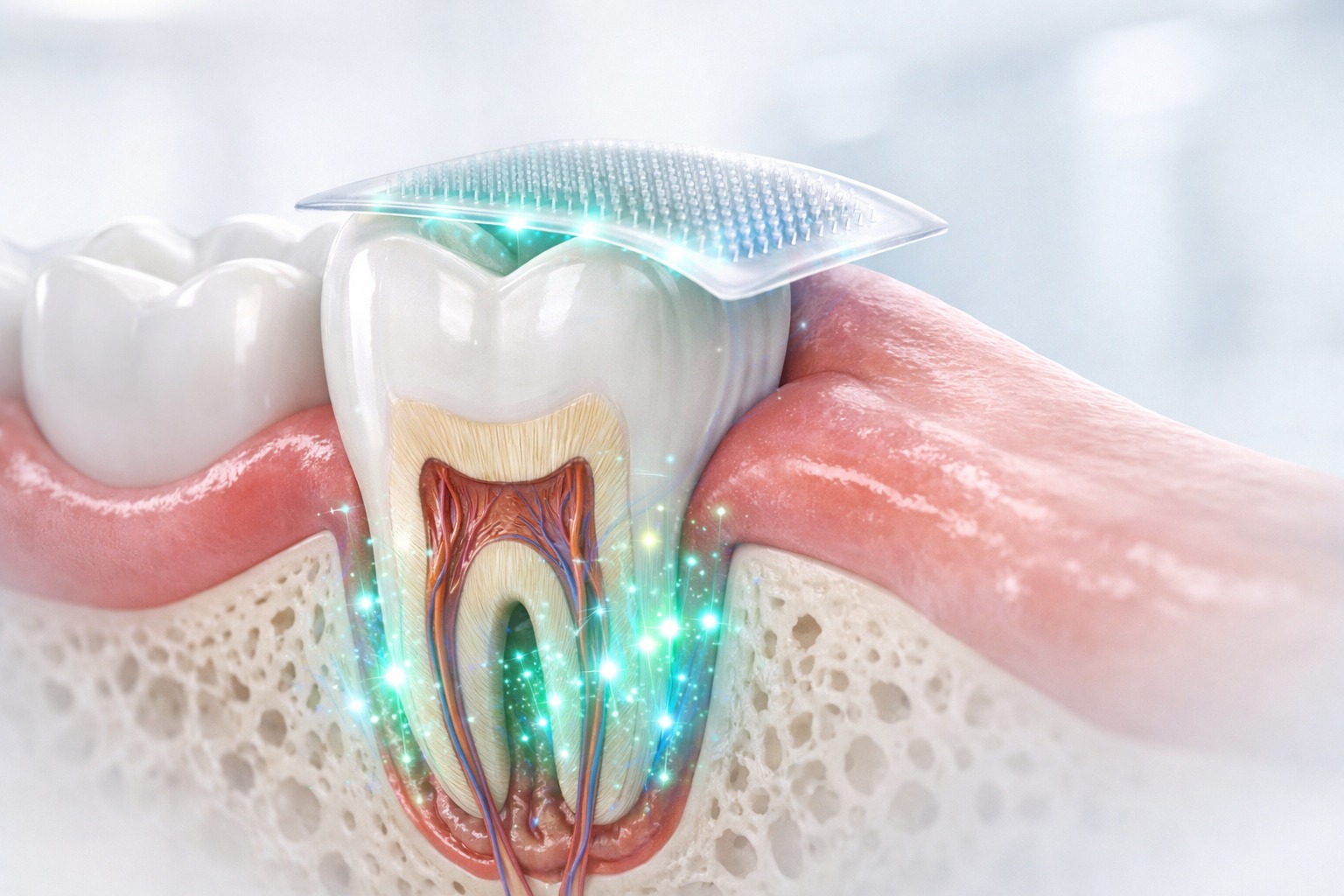
Social media has been buzzing with exciting claims about a South Korean “bioactive patch” that can supposedly regrow natural teeth, potentially ending the need for dentures forever. According to posts viewed more than 730,000 times, South Korea has allegedly unveiled a patch capable of regrowing real, natural teeth, applied to the gums for 20 minutes a day to repair cavities and cause new teeth to sprout.
However, experts and fact-checkers have determined that these specific claims are false and misleading.
The Verdict: Misinformation with a Kernel of Truth
According to France 24’s fact-check and confirmed by researchers at Inserm and Paris Cité University, there is no trace of these discoveries on the websites of the universities mentioned or in Science Translational Medicine, and no references to the patch exist in scientific literature.
Pierre Layrolle, a researcher at Inserm, stated: “The lack of scientific publications proving the effectiveness [of the patch] shows that this is science fiction”.
What’s Actually Happening in Tooth Regeneration Research
While the viral claims are false, legitimate tooth regeneration research is indeed advancing rapidly. Here’s what’s actually being developed:
1. Japan’s USAG-1 Inhibitor Drug (TRG-035)
The most advanced tooth regeneration research is happening in Japan, not South Korea. Dr. Katsu Takahashi at Kyoto University Hospital has developed a drug that targets the USAG-1 protein, which normally suppresses tooth development, with human trials beginning in October 2024.
Key Facts:
- The trial involves 30 healthy adult males aged 30 to 64, each missing at least one tooth
- The treatment works by blocking USAG-1’s interaction with BMP (bone morphogenetic protein), which is essential for determining tooth number in mice
- Animal studies showed that a single administration was enough to generate a whole tooth in mice and ferrets
- If successful, developers target availability around 2030
2. British Tideglusib Research
British researchers at King’s College London are working on Tideglusib, a pharmaceutical molecule derived from a drug used to treat Alzheimer’s disease. This molecule activates stem cells in the dental pulp to repair lesions, such as deep cavities that reach the pulp.
Important Limitation: Experts warn that “the experiments worked on animals, but that doesn’t mean we’ll have this treatment on the market next year. Clinical trials in humans are essential to assess whether the molecule is non-toxic and effective”.
3. South Korean Research: Limited to Dentin Repair
There is some legitimate research in South Korea, but it’s far more limited than the viral claims suggest:
Researchers in South Korea have presented technology for restoring dental tissue using biodegradable patches or gel that stimulate the natural regeneration of dentin—the hard tissue located beneath the enamel.
However, this research:
- Focuses only on repairing existing teeth, not growing new ones
- Is currently undergoing preclinical trials
Does not involve complete tooth regeneration
Why the Confusion?
The misinformation appears to have mixed legitimate research developments with exaggerated claims. Some social media posts incorrectly describe “South Korean research that tests a tideglusib microneedle patch that promotes dentin/pulp repair in damaged, existing teeth in animal studies” as complete tooth regeneration.
Expert Warnings About Misinformation
Professor Anne Poliard, professor emeritus at Paris Cité University, warns against sensationalist claims: “I am convinced that we will eventually be able to regenerate teeth, but I find that [communication about dental regeneration] is extremely oversold in the press. People are talking about it, so it gives people hope when we are still a long way from being able to treat it”.
The Real Timeline for Tooth Regeneration
Based on actual scientific developments:
Current Reality (2026):
- Multiple research approaches in development
- Japanese USAG-1 drug trials ongoing through August 2025
- No commercially available tooth regeneration treatments
Realistic Future (2030s):
Initial treatments likely limited to specific conditions
At best, solutions are not likely to arrive for another 5 to 10 years
Japanese researchers target 2030 for potential availability
Red Flags in the Misinformation
Several elements should have raised suspicion about the viral claims:
- No Scientific Publications: No credible scientific publications support the claims, particularly on PubMed
- Timeline Too Aggressive: Claims that patients could start using the patch as early as 2026, when researchers note “we have never heard of a product being approved for market release after just one year”
- Multiple Conflicting Sources: Different versions of the alleged news attributed the patch’s creation to different teams and sources, including Seoul National University and KIST
What This Means for Patients
While tooth regeneration research is promising, patients should:
- Maintain Current Dental Care: Traditional treatments remain the standard
- Be Skeptical of Miracle Claims: Verify information through reputable scientific sources
- Stay Informed: Follow legitimate research developments from established institutions
- Consult Professionals: Discuss any new treatment claims with qualified dentists
Final Thought
The viral claims about a South Korean tooth regeneration patch are false and misleading. However, legitimate tooth regeneration research is advancing, with the most promising work currently happening in Japan. While the future of dental regenerative medicine looks bright, we’re still years away from commercially available tooth regrowth treatments.
Real scientific breakthroughs, such as recent Korean research on understanding how positional information guides tooth development, are contributing valuable knowledge to the field, but they’re far more modest than the viral claims suggest.
The lesson here is clear: extraordinary claims require extraordinary evidence, and in the fast-moving world of social media, it’s more important than ever to verify scientific claims through credible sources before sharing potentially misleading information.
Scientific References
- France 24 fact-check: “No, this South Korean patch does not regrow teeth”
- Kyoto University: “New drug to regenerate lost teeth”
- American Dental Association: “Can teeth be regrown?”
- British Dental Journal: “Scientists in Korea find cells that know when, where, and how to grow teeth”
- Various peer-reviewed publications on USAG-1 research and dental regeneration