
Healing Cells Inside Your Wisdom Teeth
New advances in health and medical science have uncovered an unexpected biological resource hiding in plain sight: wisdom teeth. Teeth that are routinely removed and discarded may contain powerful stem cells capable of supporting future regenerative treatments.
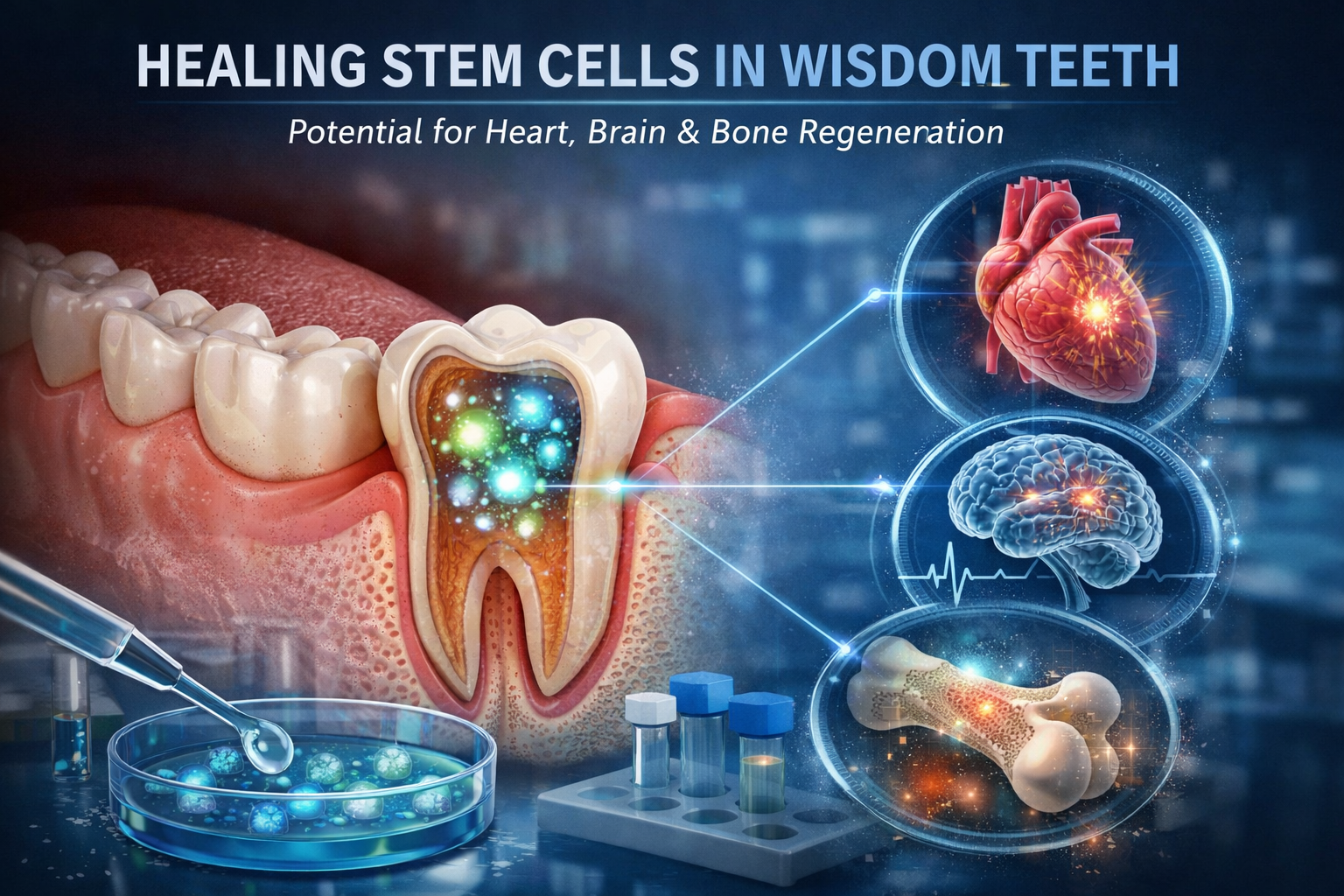
Researchers have found that wisdom teeth are rich in dental pulp stem cells (DPSCs)—a unique class of stem cells with the ability to differentiate into bone, nerve, and cardiac-like cells under controlled conditions. Laboratory studies show that these cells can support tissue repair, reduce inflammation, and promote regeneration in damaged tissues.
One key advantage is timing. Wisdom teeth develop later in life, meaning their stem cells may be more adaptable and mature compared to stem cells collected at birth. This makes them especially promising for personalized regenerative medicine.
Why This Discovery Matters
Stem cells form the backbone of regenerative medicine, but current sources—such as bone marrow or embryonic stem cells—are often invasive, limited, or ethically complex. Wisdom teeth provide:
- A less invasive source
- Easier collection during routine dental procedures
- Potential for long-term biological storage
This positions dental clinics as unexpected gateways to future medical innovation.
Potential Medical Applications
Ongoing research is exploring how dental pulp stem cells may:
- Support recovery after heart injury
- Aid brain repair following trauma or stroke
- Accelerate bone regeneration in fractures and degenerative diseases
While widespread clinical use is still under investigation, early findings suggest significant therapeutic potential.
A Shift in Dental & Medical Thinking
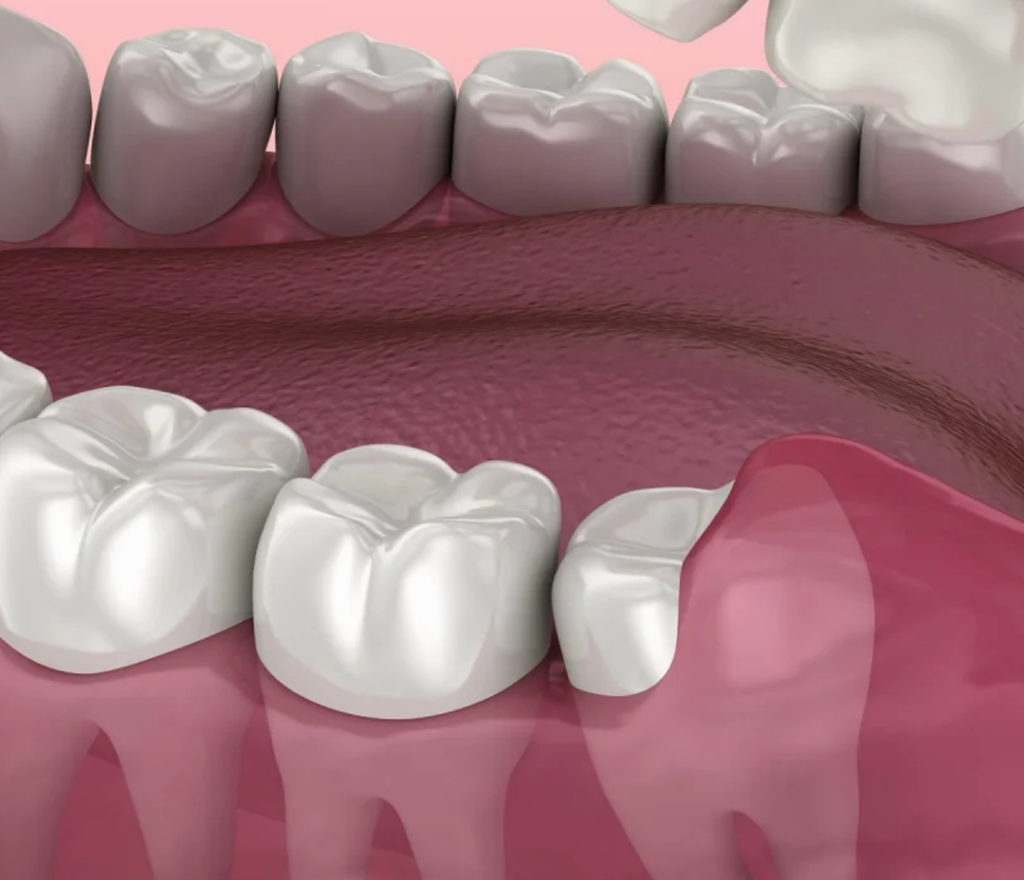
This discovery reframes how we view routine dental extractions. What was once considered medical waste could become a personal biological reserve—stored today, used tomorrow.
DenTech Insight
If the human body already contains its own repair mechanisms, the future of medicine may lie not in artificial solutions, but in learning how to preserve and activate what we already have.
Conclusion
The discovery of stem cells within wisdom teeth marks a quiet but powerful shift in both dental and medical science. What was once routinely discarded may soon become a valuable resource for regenerative therapies, personalized medicine, and long-term health planning. As research progresses, dental care could play a direct role not only in oral health, but in healing the heart, brain, and bones. The future of medicine may begin in the dental chair—hidden in places we never thought to look.